


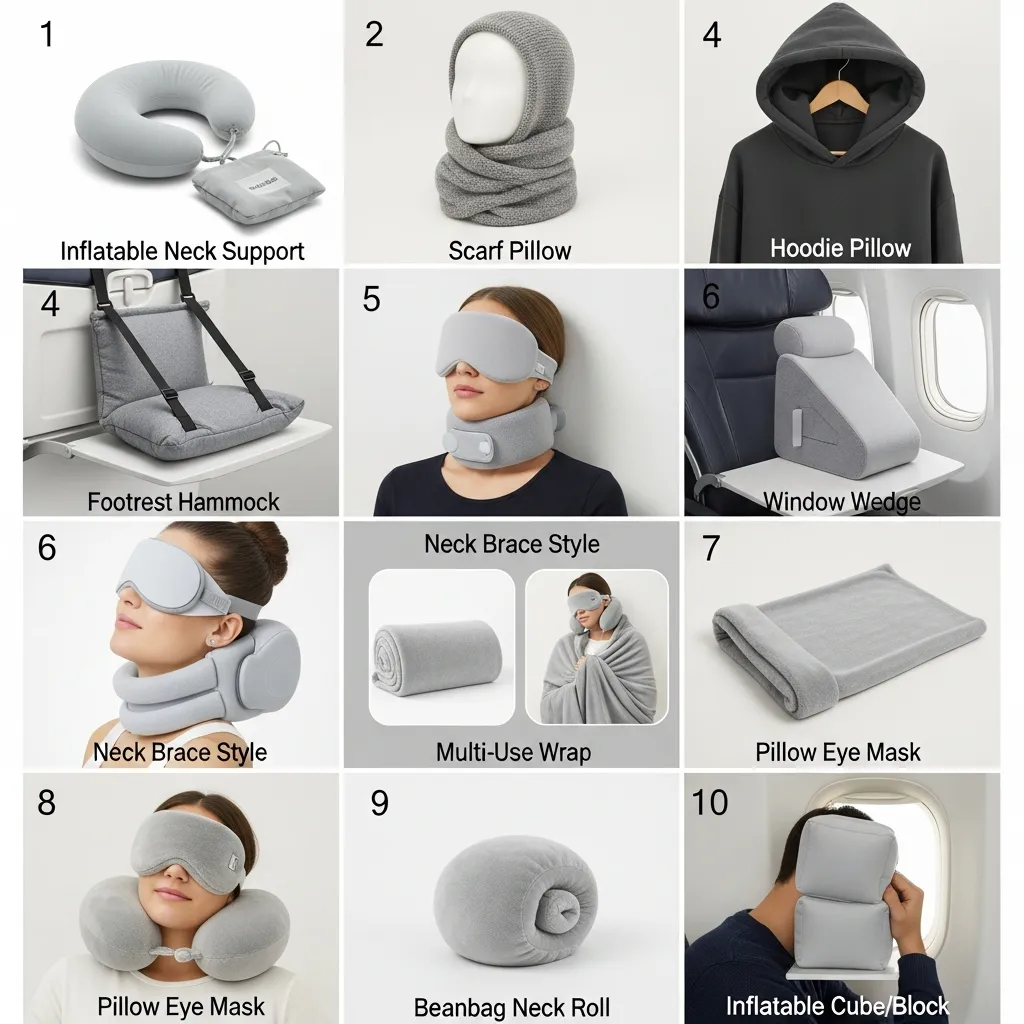
The best travel pillow alternatives include inflatable hooded pillows, scarf pillows, convertible jackets, neck braces, ergonomic cushions, and DIY solutions made from rolled clothing. These options often pack smaller, work across multiple travel scenarios, and offer more versatile support than a standard U-shaped neck pillow.
Traditional neck pillows have a reputation for being bulky, awkward, and only mildly comfortable. You clip one to your bag, lug it through the airport, and then discover it barely supports your head once you finally sit down. If that sounds familiar, you’re not alone—and you’re in the right place.
This guide breaks down the best travel pillow alternatives for every type of trip, from red-eye flights to weekend road trips. You’ll learn which options suit side sleepers, which ones pack the smallest, and how to fit them onto your carry on packing list without sacrificing space. We’ll also cover broader comfort tips so you arrive feeling rested rather than wrecked.
By the end, you’ll know exactly which travel pillow alternatives match your travel style, budget, and sleeping habits. Let’s get into it.
Why Look for Travel Pillow Alternatives?
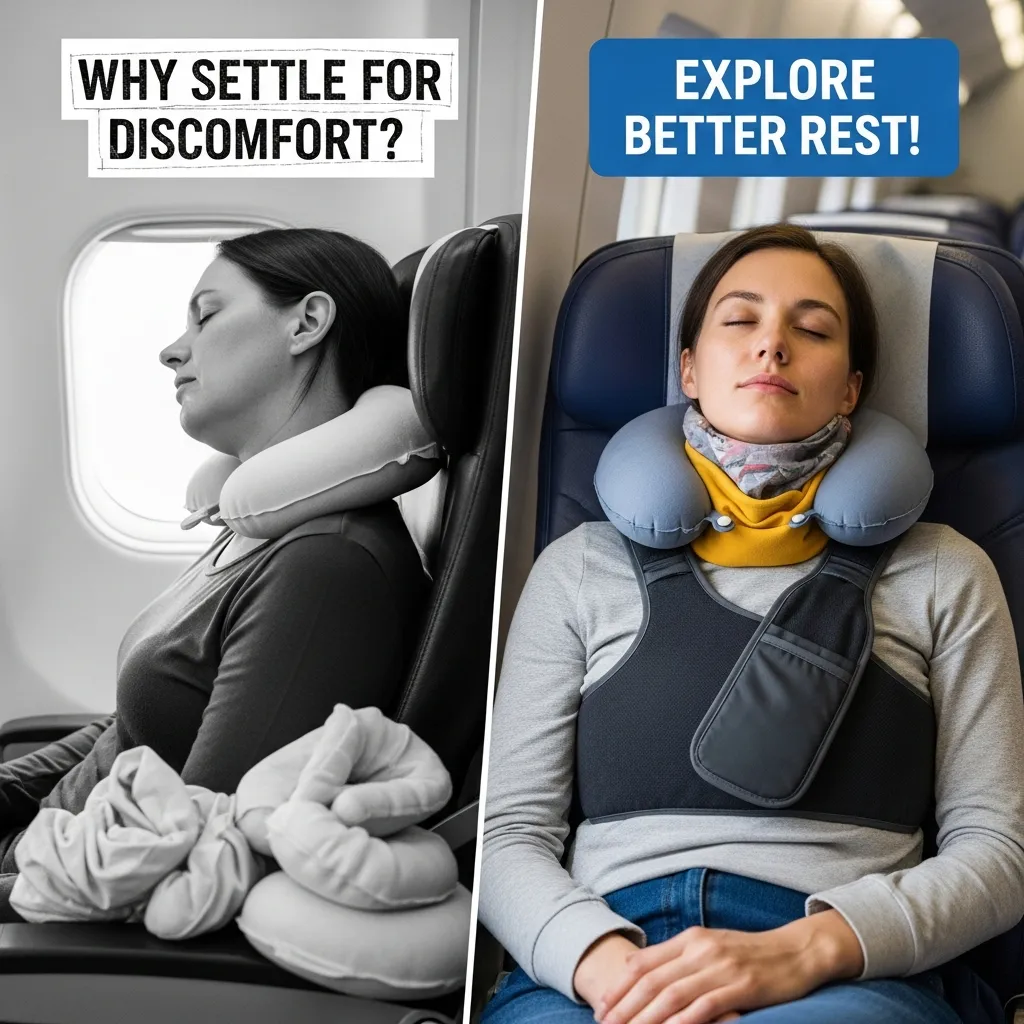
The classic U-shaped pillow has clear limits. It’s designed for one position—sitting upright with your head centered—which rarely matches how people actually sleep. Lean to one side and your head slips right off. Try to nap face-forward and you get almost no support at all.
Traditional pillows also take up valuable space. A foam neck pillow can swallow a chunk of your carry-on or dangle off your backpack, catching on everything. For travelers who pack light, that trade-off feels steep.
Then there’s hygiene. Pillows that hang off bags collect dust, germs, and grime from every surface they touch. Many aren’t easy to wash, either.
These frustrations explain why so many people search for travel pillow alternatives. The goal is simple: better rest, smarter packing, and gear that works for more than one situation.
Understanding Your Travel Needs
Before choosing among travel pillow alternatives, think about how and where you travel. The right pick depends heavily on your environment and your personal comfort preferences.
Different Travel Scenarios
- Airplane travel: Limited legroom and upright seats demand neck and head support. Compact, packable options win here, especially for your airplane travel essentials kit.
- Train travel: Seats often recline more and offer window ledges. A scarf pillow or convertible hoodie can do the job.
- Car travel: Side support matters most, since you’ll likely lean against a window or door. Ergonomic cushions shine in this setting.
- Camping: Durability and multi-use value matter. A compact blanket with a built-in headrest covers more bases.
Personal Comfort Preferences
Are you a side sleeper, a forward-sloucher, or someone who can nod off bolt upright? Side sleepers need lateral support to keep the head from dropping. Forward sleepers benefit from front-facing rests. Knowing your sleep style narrows the field fast and helps you skip products that won’t actually help.
Top 10 Travel Pillow Alternatives
Here are the best travel pillow alternatives worth considering, each suited to a different traveler and trip type.
Inflatable Hooded Pillows
These combine an inflatable neck support with an attached hood, blocking light while cradling your head. They deflate to pocket size, making them ideal for long haul flight essentials. Choose this if packability and warmth both rank high for you.
Scarf Pillows
A scarf pillow looks like a stylish wrap but conceals soft padding inside. You wear it through the terminal, then unfold it for support in your seat. Fashion-conscious travelers love that it pulls double duty without screaming “travel gear.”
Convertible Jackets and Hoodies
Some jackets feature built-in inflatable or padded hoods that work as headrests. The clear benefit is that you wear your pillow—zero extra packing space required. This is one of the most minimalist travel pillow alternatives available.
Neck Braces and Supports
Borrowed from medical design, these offer the most stability of any option. They lock your neck in place so your head can’t roll. Choose a neck brace if maximum support matters more to you than a low profile.
Pillow Wraps and Sleeves
These let you upcycle clothing you already pack. Slip a wrap or sleeve over a rolled sweater or jacket, and you’ve created instant cushioning. It’s an affordable, zero-waste approach for budget-minded travelers.
DIY Solutions
No purchase needed. Roll a hoodie inside a soft bag, fold a fleece into a wedge, or stuff a tote with spare clothes. DIY travel pillow alternatives cost nothing and adapt to whatever you have on hand—perfect for spontaneous trips.
Ergonomic Cushions
Designed to support more than the neck, ergonomic cushions target the lower back, lumbar region, or sides. They’re great for car travel and adventure cruises, where you sit for long stretches and need full-body comfort rather than head support alone.
Compact Blankets with Headrests
These dual-purpose items combine a travel blanket with a built-in or attachable headrest. You stay warm and supported with one piece of gear, which trims your packing list considerably.
Noise-Cancelling Headphones with Soft Headbands
Comfort isn’t only about your neck. Padded, noise-cancelling headphones with soft headbands ease pressure on your head while blocking engine drone and cabin chatter. Pair them with a light rest and you have a calm, quiet setup.
Backpacks with Integrated Head Support
A few travel backpacks build in cushioned head support, letting your daypack double as a pillow. This minimalist approach appeals to travelers who want one bag to do everything.
Factors to Consider When Choosing an Alternative

Not every option fits every traveler. Weigh these factors before you commit to one of these travel pillow alternatives.
Portability and Packability
If you travel carry-on only, size is everything. Inflatable and wearable options collapse small, making them easy additions to any carry on packing list. Bulkier ergonomic cushions may suit road trips better than flights.
Material and Breathability
Look for breathable fabrics like cotton blends or moisture-wicking materials, especially for long flights or warm climates. Sweaty, plasticky surfaces ruin comfort fast.
Adjustability and Versatility
The best travel pillow alternatives work across scenarios. A scarf pillow or convertible hoodie adapts to planes, trains, and waiting lounges, giving you more value per item.
Support Level Required
Match support to your needs. Side sleepers and those with neck issues should lean toward neck braces or structured supports. Casual nappers can get by with softer, lighter picks.
Price Point and Durability
DIY options cost nothing, while premium ergonomic cushions and convertible jackets run higher. Spend more only where durability and frequent use justify it.
Enhancing Your Travel Comfort Beyond Pillows
Great rest involves more than head support. Round out your airplane travel essentials with these comfort boosters.
- Long haul flight essentials: For extended journeys, layer your comfort tools—an eye mask, a light blanket, and a chosen pillow alternative work together for deeper rest.
- Adventure cruises: At sea, motion and shifting positions matter. Ergonomic cushions and supportive backrests help during long lounging sessions on adventure cruises.
- Hydration and snacks: Dehydration worsens fatigue. Pack a refillable bottle and light snacks to keep energy steady.
- Comfortable clothing: Loose, breathable layers let you regulate temperature and move freely.
- Foot support: A small footrest or rolled item under your feet improves circulation on long flights.
- Eye masks and earplugs: These block light and noise, two of the biggest barriers to sleep in transit.
How to Pack Your Travel Pillow Alternatives Effectively
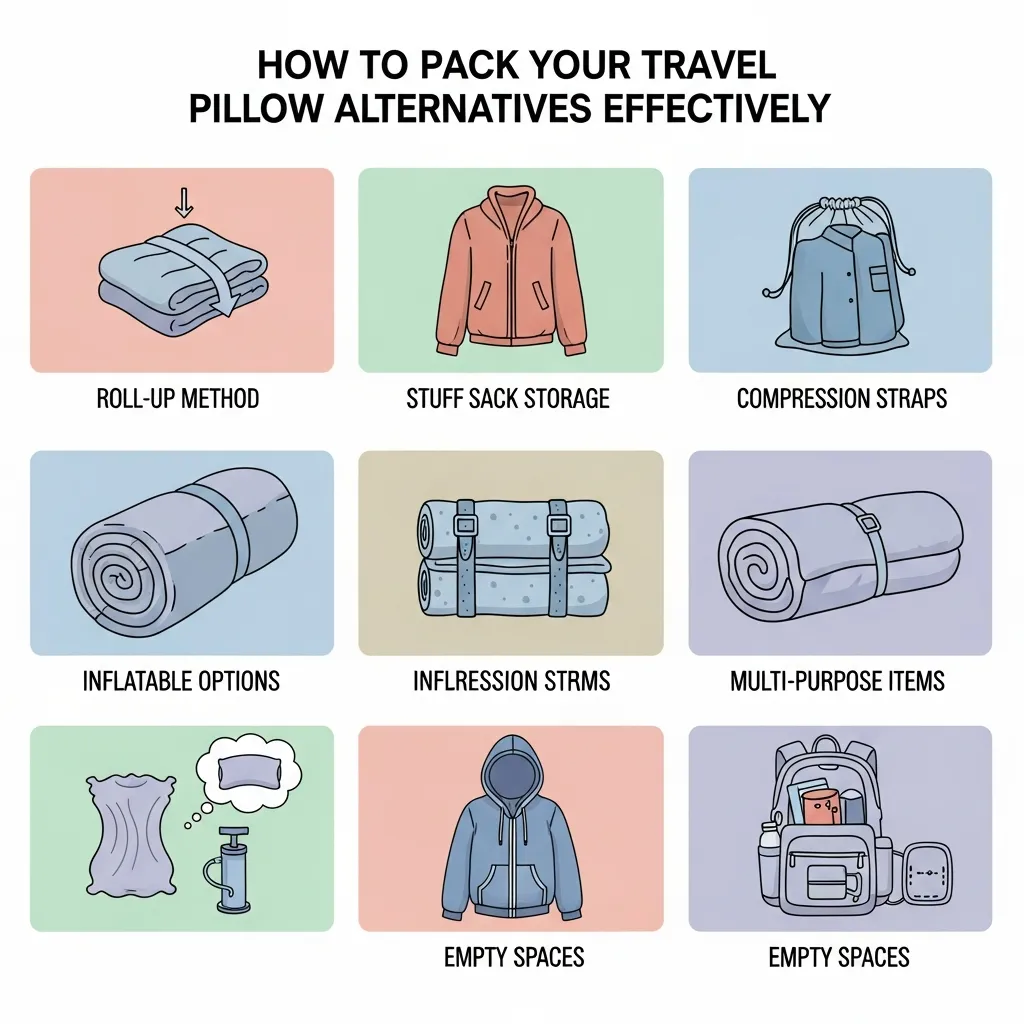
Smart packing makes your travel pillow alternatives even more useful. A tidy carry on packing list keeps comfort within reach.
Maximizing Space in Your Carry-On
Deflate inflatable options fully and roll soft items tightly. Wearable choices like convertible jackets take zero bag space—just wear them through security. Tuck flat items like scarf pillows along the edges of your bag.
Quick Access for In-Flight Comfort
Store your chosen rest tool in an outer pocket or the top of your bag. You don’t want to dig through everything mid-flight. Keep your eye mask and earplugs in the same spot so your full comfort kit is one grab away.
Conclusion
Traditional neck pillows aren’t your only option—and often not your best one. From inflatable hooded pillows to scarf pillows, convertible jackets, and simple DIY rolls, today’s travel pillow alternatives offer better support, smarter packing, and more versatility for every kind of trip.
Start by identifying how you sleep and where you travel most. Match that to one or two options from this guide, then build out the rest of your airplane travel essentials around them. With the right setup on your carry on packing list, you’ll spend less time fidgeting and more time resting—arriving ready for whatever your destination holds.
Frequently Asked Questions
What can I use instead of a travel pillow?
You can use a rolled-up hoodie, a scarf pillow, an inflatable hooded pillow, a convertible jacket with a built-in headrest, or an ergonomic cushion. Each of these travel pillow alternatives offers support while often packing smaller than a standard neck pillow.
Are travel pillows really necessary?
No, they aren’t strictly necessary. Many travelers rest comfortably using alternatives like rolled clothing, supportive headphones, or a window ledge. A dedicated pillow helps, but it’s far from the only path to in-flight comfort.
How do you sleep comfortably on a long flight without a neck pillow?
Lean against the window with a rolled jacket for side support, use an eye mask and earplugs to block light and noise, recline your seat slightly, and keep a light blanket handy. Combining these long haul flight essentials beats relying on a pillow alone.
What are the best ways to support your neck on a plane?
A neck brace offers the most stability, while an inflatable hooded pillow balances support and packability. For a no-cost option, wedge a rolled sweater between your head and the seat to stop your head from rolling.
What is the best travel pillow alternative for side sleepers?
Side sleepers do best with structured support that fills the gap between the shoulder and head. A firm inflatable pillow, a neck brace, or a thick rolled garment against the window all keep your head from dropping to one side.
Can I use a regular pillow as a travel pillow?
You can, but a full-size pillow is bulky and hard to pack. A small throw pillow or a compressible camping pillow works better for travel, offering similar comfort without dominating your carry-on space.
How do I make my own travel neck pillow?
Roll a soft sweater or fleece into a tube, then secure it with a hair tie or slip it into a pillow sleeve. For more shape, fold the garment into a U and tuck it around your neck. This DIY option costs nothing and packs flat.
What are some compact travel pillow alternatives?
Inflatable hooded pillows, scarf pillows, and convertible jackets are among the most compact choices. Inflatable options deflate to pocket size, while wearable options take up no bag space at all.
Are inflatable travel pillows comfortable?
Yes, many inflatable pillows are comfortable once you adjust the firmness to your liking. Inflate them partway rather than fully for a softer feel, and look for models with soft fabric covers to avoid that sticky plastic sensation.
What are the benefits of using a travel pillow alternative?
Travel pillow alternatives often pack smaller, serve multiple purposes, and adapt to different sleeping positions better than standard neck pillows. Many also cost less, and wearable options save bag space entirely.
What items should be on my Carry On Packing List for comfort?
A solid carry on packing list for comfort includes a travel pillow alternative, an eye mask, earplugs or noise-cancelling headphones, a light blanket or large scarf, a refillable water bottle, and breathable layers of clothing.
How can I make Long Haul Flight Essentials more effective?
Layer your tools so they work together. Pair an eye mask with earplugs, combine a supportive pillow alternative with a light blanket, and keep everything in one accessible pocket. Staying hydrated and stretching periodically also boosts the value of your long haul flight essentials.



Leave a Reply