


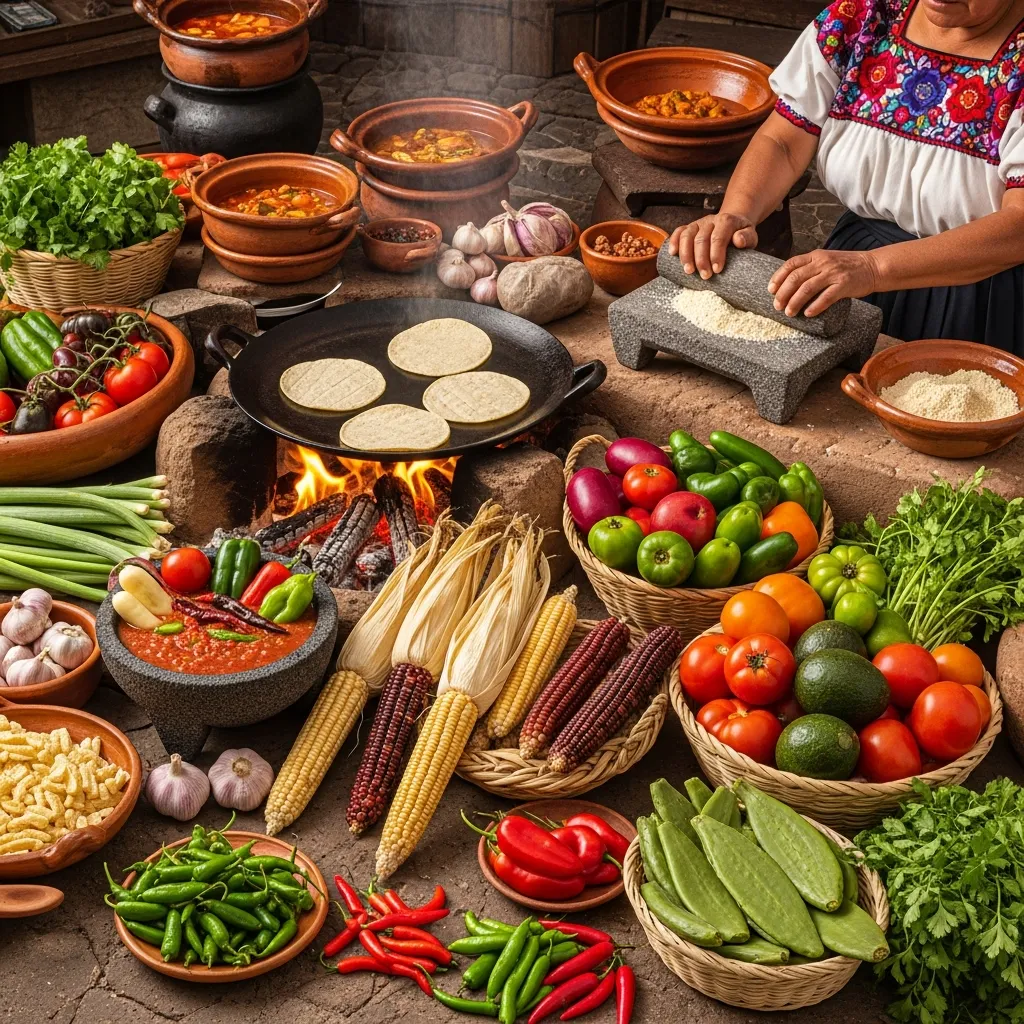
Explore the vibrant history, regional diversity, and cultural significance of Mexican cuisine, from ancient traditions to modern interpretations, with a focus on its festive spirit. Traditional Mexican food culture represents a deeply rooted lifestyle, celebrating fresh ingredients, bold flavors, and communal joy. It offers a culinary journey unlike any other, revealing stories of ancient civilizations and colonial encounters.
Traditional Mexican food culture is a living heritage, deeply intertwined with the country’s history, geography, and social fabric. For generations, recipes have been passed down orally, preserving the exact roasting times for chilies and the proper technique for grinding corn. Every region boasts its own distinct flavor profile, reflecting the local climate and agricultural bounty.
Understanding traditional Mexican food culture means appreciating the time and love poured into every dish. Preparing these meals is rarely a solitary task. Instead, it involves families coming together, sharing stories over simmering pots and hot griddles. As we explore this vibrant cuisine, you will see how food acts as a bridge connecting the past to the present.
The Roots of Mexican Cuisine
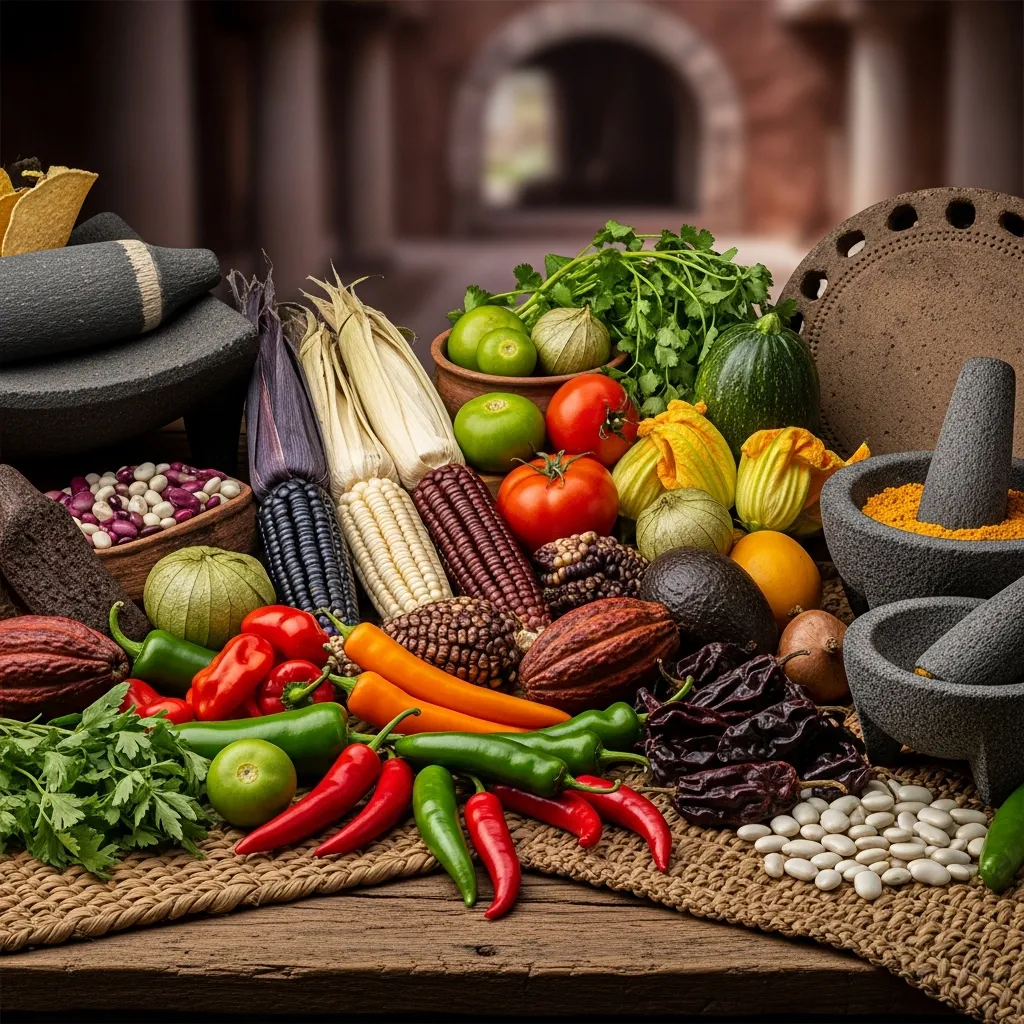
The foundation of traditional Mexican food culture dates back thousands of years. It represents a fascinating blend of indigenous practices and European additions.
Pre-Hispanic Foundations
Long before European ships reached the Americas, indigenous civilizations like the Maya and Aztecs cultivated a highly sophisticated diet. Maize (corn) was the absolute centerpiece. It was not just a crop; it was considered sacred, deeply tied to creation myths and daily survival.
Alongside maize, indigenous peoples relied on beans, chili peppers, squash, avocados, and tomatoes. They developed ancient cooking techniques that are still used today. Cooks used a molcajete (a mortar and pestle made of volcanic rock) to grind spices and a comal (a flat griddle) to toast seeds and cook tortillas. These tools remain essential to authentic traditional Mexican food culture.
Spanish Influence and Fusion
In the 16th century, Spanish colonizers arrived, bringing a wave of new ingredients. They introduced pork, beef, chicken, rice, wheat, and dairy products. This collision of worlds sparked a culinary exchange that gave birth to a beautiful mestizo (mixed) cuisine. Suddenly, indigenous chili sauces were being poured over roasted pork, and European pastries were adapted using local tropical fruits.
Global Recognition: UNESCO World Heritage Status
The historical depth and ongoing preservation of traditional Mexican food culture did not go unnoticed by the global community. In 2010, UNESCO added traditional Mexican cuisine to its Representative List of the Intangible Cultural Heritage of Humanity. This recognition solidified its status as a culinary art form worthy of worldwide protection and celebration.
Regional Diversity of Traditional Mexican Food Culture
Because Mexico spans varied climates—from arid deserts to tropical rainforests—traditional Mexican food culture is highly regional.
Northern Mexico
In the vast, arid lands of Northern Mexico, cattle ranching dominates the landscape. As a result, the regional diet is highly meat-centric. You will find large, thin flour tortillas wrapping up hearty burritos, as well as machaca (dried, spiced meat) served with eggs for breakfast. Fire-roasted beef, or carne asada, is a staple of weekend gatherings.
Central Mexico
Central Mexico is the historical heartland of traditional Mexican food culture. This region is famous for its complex mole sauces, slow-cooked barbacoa, and incredible street food. Vendors sell esquites (warm corn kernels mixed with mayonnaise, cheese, and chili powder) and tlacoyos (thick, oval-shaped corn dough stuffed with beans or cheese).
Southern Mexico
Southern states like Oaxaca and Chiapas boast some of the most intricate dishes in traditional Mexican food culture. Oaxaca is known as the “land of seven moles.” Here, you will find tlayudas (large, crunchy tortillas topped with beans, meat, and cheese) and cochinita pibil (slow-roasted pork marinated in citrus and achiote, wrapped in banana leaves) from the nearby Yucatán Peninsula.
Coastal Cuisine
With thousands of miles of coastline, traditional Mexican food culture strongly embraces seafood. Coastal states serve up vibrant, lime-cured ceviche, grilled fish, and pescadillas (crispy fish tacos). Fresh ingredients like coconut, mango, and cilantro frequently complement the ocean’s bounty.
The Heart of the Home: Everyday Mexican Meals
In traditional Mexican food culture, daily meals dictate the rhythm of life. Each part of the day features distinct culinary traditions.
Breakfast (Desayuno)
A hearty breakfast sets the tone for the day. Huevos rancheros (fried eggs served on lightly fried tortillas topped with a tomato-chili sauce) and chilaquiles (crispy tortilla chips bathed in red or green salsa, topped with cream and cheese) are beloved morning staples.
Lunch (Comida)
La comida is typically the main meal of the day, eaten in the mid-afternoon. Families gather to enjoy rich stews, savory soups, and a main protein. A stack of warm tortillas is always present to scoop up sauces and broths.
Dinner (Cena)
Dinner is usually a lighter affair. People might enjoy sweet bread (pan dulce) with hot chocolate, or they might step out to grab a few antojitos (little cravings) like tacos or tamales from a local street vendor.
The Centrality of Tortillas and Salsas
No discussion of traditional Mexican food culture is complete without mentioning tortillas and salsas. The tortilla acts as a plate, a utensil, and a primary source of carbohydrates. Meanwhile, salsas bring the heat, acidity, and moisture needed to perfectly balance a dish.
Traditional Mexican Food Culture and Festivities
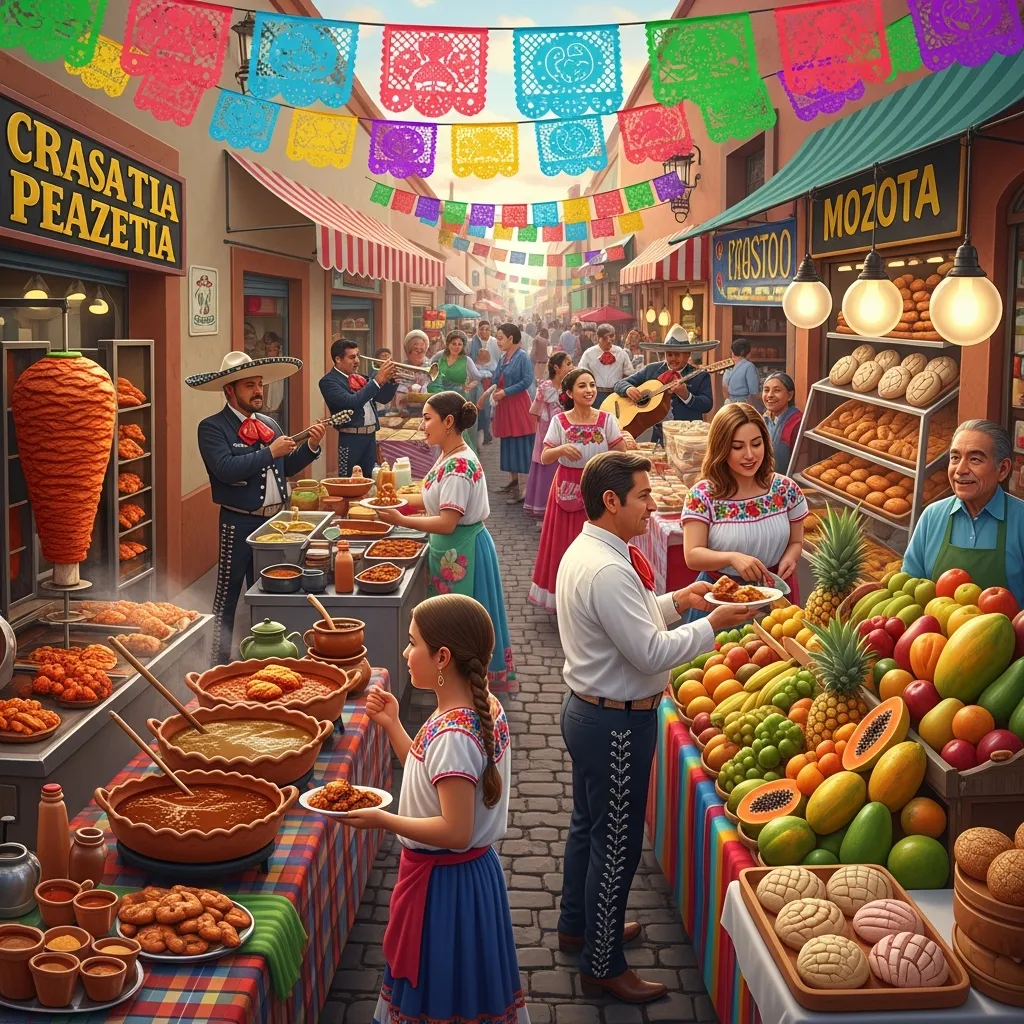
Food is the ultimate celebratory tool in traditional Mexican food culture. Every major holiday features highly specific, symbolic dishes.
Day of the Dead (Día de Muertos)
During this vibrant celebration honoring deceased loved ones, families bake pan de muerto (a sweet bread shaped with bone-like decorations) and create intricate sugar skulls. These items are placed on altars alongside the departed’s favorite foods.
Christmas (Navidad)
Christmas brings its own unique flavors. Families spend hours making tamales together in a process called a tamalada. The holiday table often features bacalao (salted cod stew) and romeritos (tender sprigs of seepweed served in mole).
Independence Day (Día de la Independencia)
To celebrate Mexico’s independence, cooks prepare chiles en nogada. This patriotic dish features a poblano pepper stuffed with a sweet and savory meat mixture, bathed in a white walnut cream sauce, and sprinkled with red pomegranate seeds and green parsley to represent the Mexican flag.
Other Regional Food Festivals
Local Food Festivals celebrate specific crops and culinary traditions throughout the year. From corn festivals to chili fairs, these events highlight the sheer diversity of traditional Mexican food culture. Some families even plan their vacations around these seasonal bounties, treating something like a Watermelon Festival Family Trip as an opportunity to bond, taste local agricultural sweets, and support rural farmers. Attending these Food Festivals provides an immersive education in local flavor.
The Social and Cultural Significance of Mexican Food
Food is a powerful social glue in traditional Mexican food culture.
Family Gatherings and Communal Eating
Meals are meant to be shared. Weekend gatherings often involve extended family members cooking, eating, and conversing for hours. This communal aspect reinforces social bonds and provides a space for storytelling.
The Role of Women
Historically, women have been the primary guardians of traditional Mexican food culture. Mothers and grandmothers meticulously teach younger generations how to balance flavors, care for cast-iron griddles, and identify the ripest produce at the market.
Identity and Hospitality
Offering food is an expression of profound hospitality. In traditional Mexican food culture, welcoming a guest means feeding them generously. Food serves as a marker of regional identity and national pride.
Modern Evolution
While firmly rooted in history, traditional Mexican food culture continues to evolve. Contemporary chefs blend ancient techniques with modern plating, proving that the cuisine is adaptable and dynamic.
Health and Nutritional Aspects of Traditional Mexican Diet
When prepared authentically, traditional Mexican food culture offers tremendous health benefits.
Balanced Ingredients
The traditional diet relies heavily on fresh produce, lean proteins, and complex carbohydrates. Tomatoes, onions, garlic, and chilies provide essential vitamins and antioxidants.
The Power of Maize and Beans
The combination of maize and beans creates a complete protein, which was vital for ancient civilizations. The process of nixtamalization (soaking corn in an alkaline solution) frees up essential nutrients like niacin, making the tortillas highly nutritious.
Moderation
Authentic traditional Mexican food culture emphasizes moderation and slow food. Dishes are cooked from scratch without the artificial preservatives found in highly processed meals.
Preserving and Promoting Traditional Mexican Food Culture
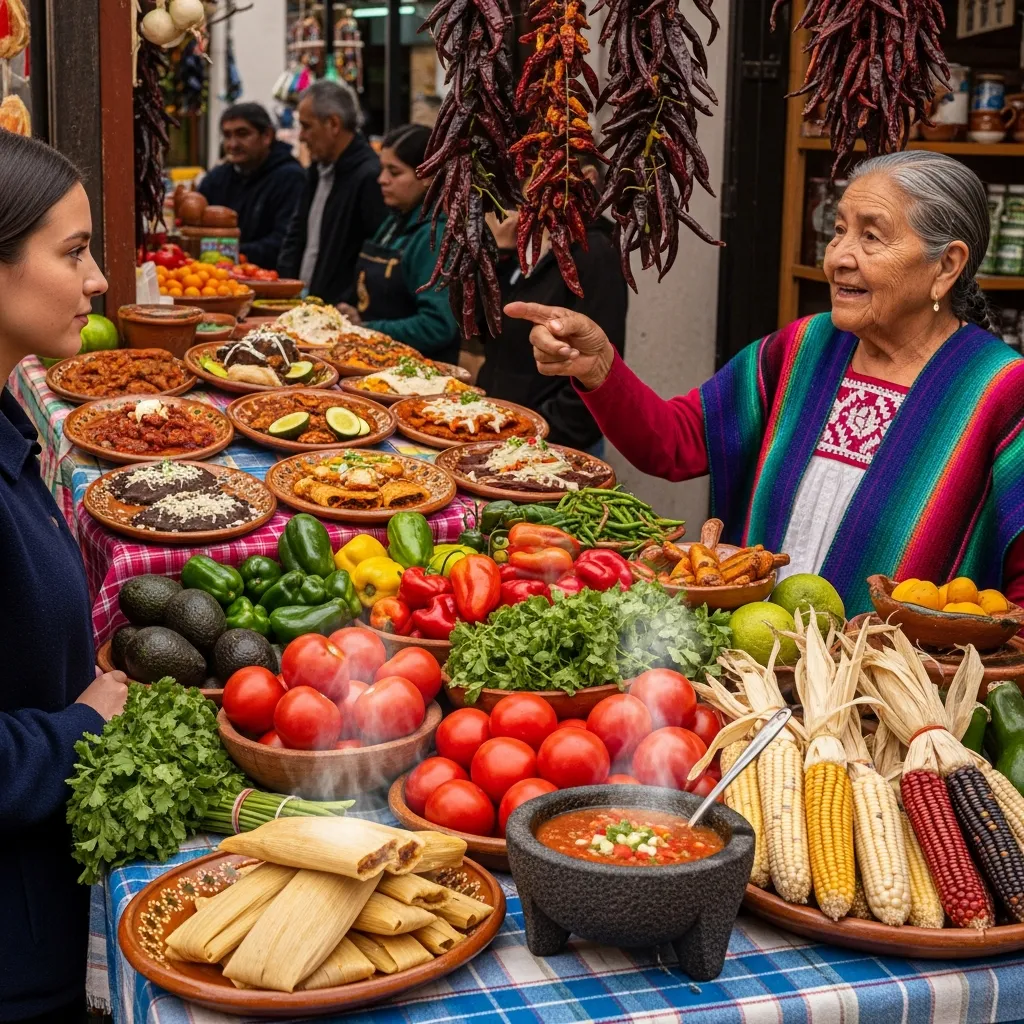
As the world modernizes, concerted efforts are required to protect traditional Mexican food culture.
Culinary Schools and Chefs
Culinary institutions and renowned chefs are championing indigenous ingredients. They advocate for sustainable farming and teach traditional methods to new generations of cooks.
Gastronomic Tourism
Gastronomic tourism brings travelers directly to the source. Visitors take cooking classes in Oaxaca or tour agave farms in Jalisco, injecting money into local economies and incentivizing the preservation of authentic practices.
The Impact of Globalization
While globalization has introduced fast food, it has also sparked a counter-movement. More people than ever are seeking out authentic traditional Mexican food culture, pushing back against highly commercialized imitations.
A Lifelong Culinary Journey
Traditional Mexican food culture offers an endless array of flavors, techniques, and stories. From the smoky depth of an ancient mole to the bright, acidic crunch of fresh ceviche, the cuisine reflects a resilient and joyful people.
The enduring legacy of traditional Mexican food culture lies in its ability to adapt while honoring its profound roots. Its global appeal continues to rise as diners seek authentic, soulful dining experiences. We invite you to explore your local markets, try your hand at pressing fresh tortillas, and experience the richness of Mexican cuisine for yourself.
Frequently Asked Questions (FAQ)
1. What defines Traditional Mexican food culture?
Traditional Mexican food culture is defined by its blending of indigenous Mesoamerican ingredients (like corn, beans, and chilies) with European additions, characterized by complex cooking techniques and deep communal traditions.
2. What are the most iconic ingredients in Mexican cuisine?
The holy trinity of traditional Mexican food culture consists of maize (corn), beans, and chili peppers. Avocados, tomatoes, and squash are also foundational.
3. How did Spanish colonization impact Mexican food?
The Spanish introduced livestock (pork, beef, dairy) and ingredients like wheat and rice. This fusion created the mestizo flavor profiles that dominate traditional Mexican food culture today.
4. What are some examples of regional Mexican dishes?
Northern Mexico is known for flour tortillas and carne asada. Central Mexico is famous for barbacoa and tlacoyos. Southern Mexico is celebrated for complex moles and tlayudas.
5. What is the significance of tortillas in Mexican food?
Tortillas are the bedrock of the cuisine. They serve as an accompaniment to meals, an edible utensil, and the base for countless dishes like tacos, enchiladas, and chilaquiles.
6. How important are Food Festivals in Mexican culture?
Food Festivals are crucial for celebrating regional harvests and preserving heritage. They bring communities together to honor specific ingredients, much like a memorable Watermelon Festival Family Trip celebrates local agriculture.
7. What is mole, and what are its variations?
Mole is a complex sauce made from chilies, spices, nuts, and sometimes chocolate. Variations include Mole Poblano (dark and sweet), Mole Verde (green herbs), and Mole Negro (smoky and rich).
8. Is Mexican food healthy?
Yes, authentic traditional Mexican food culture is very healthy. It relies on fresh vegetables, complete plant proteins (corn and beans), and nutrient-dense spices, avoiding heavy preservatives.
9. What is a comal?
A comal is a smooth, flat griddle, traditionally made of clay or cast iron, used to toast spices, roast chilies, and cook tortillas.
10. How do Mexican families celebrate Christmas with food?
Families often gather for a tamalada to make large batches of tamales together. They also serve traditional stews like bacalao and romeritos.
11. What role do beans play in traditional Mexican food culture?
Beans provide an essential source of protein and fiber. They are served whole in broths, mashed and refried, or used as fillings for street foods.
12. Are there vegetarian options in traditional Mexican food culture?
Absolutely. Many pre-Hispanic dishes were entirely plant-based. Dishes utilizing squash blossoms, mushrooms, beans, corn, and cactus (nopales) are widely celebrated and naturally vegetarian.



Leave a Reply