


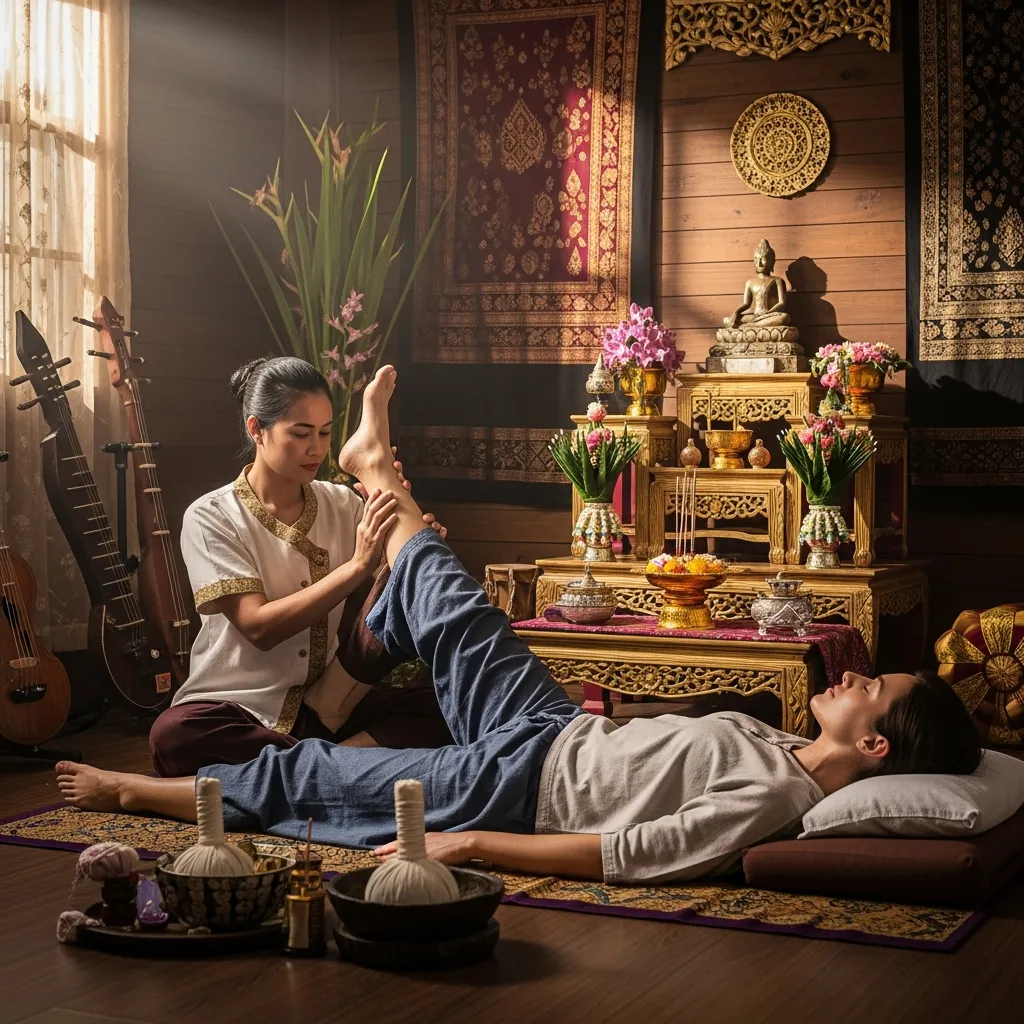
Traditional Thai massage culture represents a remarkable fusion of ancient healing arts, spiritual devotion, and deep community roots. This guide explores its rich history, underlying philosophies, and unique physical techniques, offering insights into its profound impact on holistic well-being.
Walking through the vibrant streets of Thailand, you will quickly notice that healing practices are woven directly into the fabric of daily life. For centuries, the people of Thailand have passed down a unique system of bodywork that goes far beyond simple muscle relaxation. Traditional Thai massage culture is a deeply spiritual and therapeutic practice, designed to harmonize the mind, body, and spirit.
At its core, Traditional Thai massage culture draws from ancient Ayurvedic wisdom, Buddhist philosophy, and indigenous healing traditions. Unlike western modalities that rely heavily on oils and gentle kneading, this practice involves rhythmic compression, acupressure, and dynamic stretching. The recipient remains fully clothed, engaging in a physical dialogue with the practitioner that resembles a graceful dance.
Understanding Traditional Thai massage culture requires looking past the physical techniques to see the profound cultural significance behind them. It is a living tradition that reflects the values of compassion, mindfulness, and community care. By exploring its origins, philosophies, and modern adaptations, we can truly appreciate why this healing art continues to captivate the world.
The Historical Tapestry of Thai Massage
Origins: Jivaka Kumar Bhaccha and Ayurvedic Connections
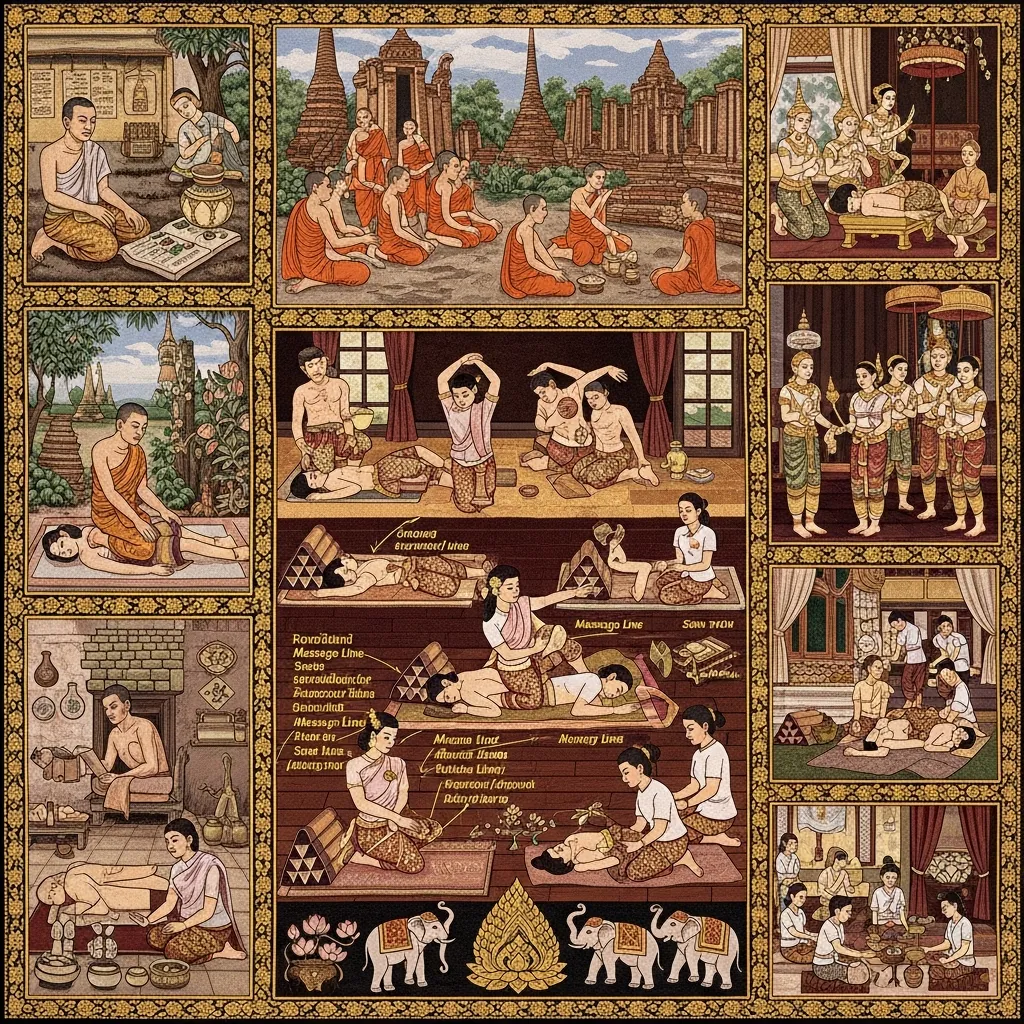
The roots of Traditional Thai massage culture stretch back over 2,500 years. The practice is traditionally attributed to Jivaka Kumar Bhaccha, an ancient physician who was a contemporary of the Buddha. Often referred to as the “Father Doctor,” Jivaka combined his extensive knowledge of Ayurvedic medicine with local healing practices. This profound connection to ancient Indian medicine is still evident in the focus on energy pathways and holistic wellness found in Traditional Thai massage culture today.
Influence of Buddhism and Spiritual Practices
As Buddhism spread across Southeast Asia, it carried these ancient healing traditions with it. Buddhist monks played a crucial role in preserving and developing Traditional Thai massage culture. Temples, or “wats,” became the primary centers for medical knowledge and healing. The practice was seen as an extension of Buddhist teachings, emphasizing compassion and the alleviation of suffering.
Royal Patronage and Its Preservation
The survival of Traditional Thai massage culture is largely due to the support of the Thai royal family. Historically, kings commissioned the carving of medical texts and anatomical diagrams into stone at temples like Wat Pho in Bangkok. This royal patronage ensured that the knowledge survived through generations, even during times of war and political upheaval, cementing its status as a national treasure.
The Philosophy and Principles
“Sen” Energy Lines: The Core of the Practice
Central to Traditional Thai massage culture is the concept of “Sen” lines. These are invisible pathways through which life energy, or “Prana,” flows. Practitioners believe there are thousands of these lines in the body, but focus primarily on ten main pathways. By applying pressure along these lines, the massage clears blockages, restores energy flow, and promotes optimal health.
Metta (Loving-Kindness) in Practice
A fundamental element of Traditional Thai massage culture is “Metta,” a Buddhist concept translating to loving-kindness. A skilled practitioner approaches the massage as a meditative act of compassion. This spiritual connection between the giver and the receiver elevates the experience from a physical treatment to a profound emotional and spiritual exchange.
The Holistic Approach to Mind, Body, and Spirit
Traditional Thai massage culture does not separate physical ailments from mental or emotional states. The holistic approach addresses the entire person. By releasing physical tension and balancing the body’s energy, the practice naturally calms the mind and uplifts the spirit, creating a deep sense of overall harmony.
Key Techniques and Practices
Acupressure and Stretching Techniques
The physical application of Traditional Thai massage culture is incredibly dynamic. Practitioners use their thumbs, palms, forearms, elbows, and even feet to apply deep acupressure. This is combined with assisted yoga-like stretching, which lengthens muscles, increases flexibility, and opens up the joints.
The Role of Rhythmic Compression and Joint Mobilization
Rhythmic compression is used to stimulate blood flow and warm the muscles. The steady, rocking motion induces a state of deep relaxation. Joint mobilization techniques are also applied to improve range of motion and relieve stiffness, making Traditional Thai massage culture highly effective for individuals suffering from chronic joint pain.
Herbal Compresses and Their Therapeutic Benefits
Often, Traditional Thai massage culture incorporates the use of warm herbal compresses, known as “Luk Pra Kob.” These cotton bundles are packed with therapeutic herbs like lemongrass, turmeric, and camphor. Steamed and pressed along the body, they reduce inflammation, soothe aching muscles, and provide an aromatic element that deeply relaxes the nervous system.
The Spiritual and Ceremonial Aspects
Wai Kru Ceremony and Reverence for Teachers
Respect for teachers and lineage is paramount in Traditional Thai massage culture. The “Wai Kru” ceremony is an annual ritual where practitioners pay homage to Jivaka Kumar Bhaccha and their earthly instructors. This ceremony reinforces the spiritual foundation of the practice, reminding therapists of their ethical responsibilities and the sacred nature of their work.
Meditation and Mindfulness in the Practice
Mindfulness is integrated into every movement. Practitioners often meditate before a session to center themselves, ensuring they can channel Metta effectively. This meditative state is transferred to the recipient, turning the session into a moving meditation that calms the central nervous system.
Connection to Thai Dance Culture and Its Expressive Movements
The rhythmic, flowing movements of the massage share a striking resemblance to traditional arts. Just as Thai Dance Culture uses precise, expressive movements to tell a story and channel energy, the fluid transitions and graceful postures of the massage practitioner reflect a deep cultural appreciation for balance, rhythm, and spatial awareness.
Traditional Thai Massage in Modern Context
Adaptation and Evolution in Contemporary Wellness
Today, Traditional Thai massage culture has adapted to fit modern wellness trends. While the core principles remain the same, spas and wellness centers worldwide have tailored the experience to accommodate diverse clientele, sometimes blending it with western techniques to suit different comfort levels.
Regulatory Bodies and Training Standards
To maintain the integrity of Traditional Thai massage culture, the Thai government and various international organizations have established strict training standards. Reputable schools in Thailand, such as the one at Wat Pho, offer rigorous certification programs that ensure practitioners honor the traditional methods and safety protocols.
Global Recognition and Cultural Exchange
The global popularity of Traditional Thai massage culture has fostered a vibrant cultural exchange. As international students travel to Thailand to learn the art, they bring back a deeper understanding of Thai philosophy and values, promoting global appreciation for this ancient healing modality.
Benefits of Traditional Thai Massage
Physical Benefits: Flexibility, Pain Relief, Circulation
The physical benefits of engaging with Traditional Thai massage culture are extensive. Regular sessions dramatically improve flexibility, alleviate chronic lower back pain, and relieve muscle tension. The acupressure and stretching techniques also stimulate cardiovascular circulation, bringing fresh oxygen to the tissues.
Mental and Emotional Well-being: Stress Reduction, Relaxation
By slowing down the heart rate and lowering cortisol levels, this massage is highly effective for stress reduction. The mindful, compassionate touch helps alleviate symptoms of anxiety and depression, leaving the recipient feeling profoundly relaxed and emotionally grounded.
Energetic Balance and Revitalization
Unblocking the Sen lines restores the body’s natural energetic balance. Clients often report feeling lighter, more focused, and deeply revitalized after a session, as the stagnant energy is cleared and life force flows freely once again.
The Role of Traditional Thai Massage in Thai Society
As a Community Healing Practice
In Thailand, Traditional Thai massage culture is not reserved for luxury spas. It is a fundamental community practice. Family members often massage one another to relieve the fatigue of a long day, reinforcing family bonds and passing down the knowledge informally through generations.
Its Integration into Daily Life
The practice is seamlessly integrated into everyday life. You will find massage pavilions at local markets, beaches, and temples, making it highly accessible to people of all income levels. It is viewed as essential preventative healthcare rather than an occasional treat.
Comparison with Street Food Cultural Guide in Terms of Cultural Preservation
Much like how a Street Food Cultural Guide highlights the accessibility and generational knowledge of Thai cuisine, Traditional Thai massage culture relies on grassroots preservation. Both the street food vendor passing down a family recipe and the massage practitioner passing down healing techniques serve as vital pillars of Thai cultural identity, thriving on local engagement and daily practice.
Challenges and Future of Traditional Thai Massage Culture
Maintaining Authenticity in a Globalized World
As Traditional Thai massage culture expands globally, the challenge lies in maintaining its spiritual and authentic roots. There is a risk of the practice becoming purely commercialized, stripped of the Metta and Buddhist philosophies that make it truly unique.
Research and Scientific Validation
While anecdotal evidence of its benefits is vast, there is an ongoing push to document Traditional Thai massage culture through modern scientific research. Validating its effects on chronic pain and mental health through clinical studies helps legitimize the practice within the western medical community.
Sustaining the Tradition for Future Generations
Ensuring that Traditional Thai massage culture thrives involves protecting its educational institutions and encouraging younger generations to value the practice. By honoring its history and supporting certified practitioners, the global community can help sustain this magnificent tradition.
The Enduring Legacy of Thai Healing Arts
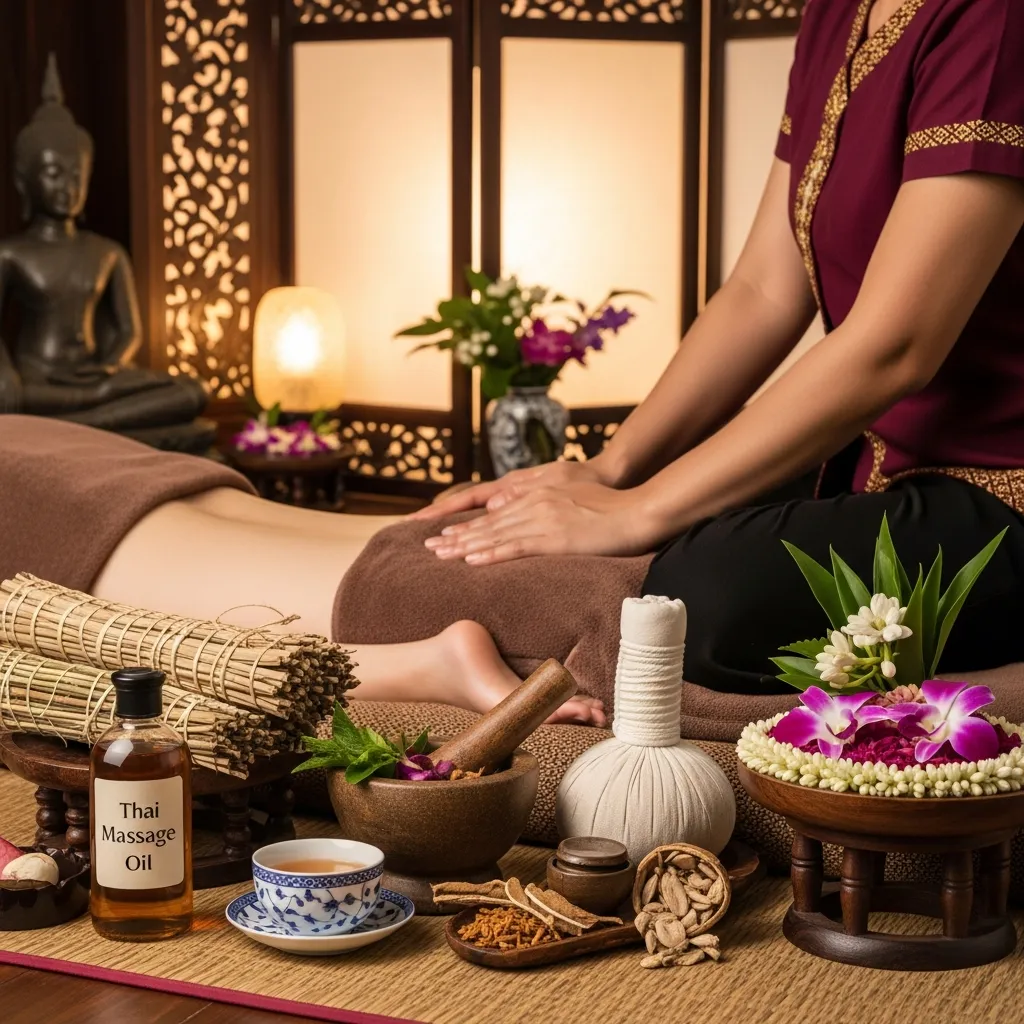
Traditional Thai massage culture is a profound expression of historical wisdom, spiritual devotion, and holistic health. By understanding its deep roots in Ayurvedic medicine, its reliance on energy lines, and its foundation in loving-kindness, we can appreciate it as far more than just a physical treatment.
As it continues to evolve and gain global recognition, preserving the authenticity and spiritual core of Traditional Thai massage culture remains vital. Whether you are seeking physical relief, mental clarity, or energetic balance, experiencing this ancient art form is a transformative journey. Take the time to find a certified practitioner and immerse yourself in the unique healing power of this enduring tradition.
FAQ
1. What is Traditional Thai Massage?
It is an ancient healing system combining acupressure, Indian Ayurvedic principles, and assisted yoga postures to balance the body’s energy, improve flexibility, and promote overall health.
2. What are the origins of Traditional Thai Massage?
The practice originated in India over 2,500 years ago, attributed to Jivaka Kumar Bhaccha, a physician to the Buddha, before spreading to Thailand along with Buddhism.
3. How does “Sen” energy relate to Thai Massage?
Traditional Thai massage culture is based on the belief that life energy flows through invisible pathways called “Sen.” The massage techniques aim to clear blockages in these lines to restore health.
4. Is Traditional Thai Massage painful?
While it involves deep pressure and stretching, it should not be painful. A skilled practitioner communicates with the recipient to ensure the pressure is comfortable and therapeutic.
5. What are the main benefits of Thai Massage?
Benefits include increased flexibility, relief from joint and muscle tension, improved circulation, reduced stress, and enhanced energetic balance.
6. How is Traditional Thai Massage different from other massage types?
Unlike western massages, it is performed fully clothed on a mat on the floor. It does not typically use oils and involves dynamic stretching and rhythmic compression rather than gliding strokes.
7. What is the significance of Metta in Thai Massage?
Metta means loving-kindness. In Traditional Thai massage culture, practitioners cultivate this compassionate state of mind to facilitate deeper healing and emotional connection during the session.
8. Can anyone receive Traditional Thai Massage?
Most people can benefit from it, but practitioners adapt the techniques based on age, flexibility, and health conditions. It is important to communicate any physical limitations beforehand.
9. Are there any contraindications for Thai Massage?
Individuals with severe osteoporosis, recent surgeries, cardiovascular conditions, or certain stages of pregnancy should consult a doctor before receiving a treatment.
10. How often should one get Traditional Thai Massage?
For general maintenance and stress relief, once or twice a month is beneficial. For specific physical ailments or chronic pain, more frequent sessions may be recommended.
11. What is the Wai Kru ceremony?
The Wai Kru is a traditional ceremony where practitioners pay respect to their teachers, ancestors, and Jivaka Kumar Bhaccha, reaffirming their dedication to the spiritual and ethical aspects of the practice.
12. How does Traditional Thai Massage connect to broader Traditional Thai massage culture?
The physical techniques are just one part of a larger cultural ecosystem that values holistic wellness, Buddhist compassion, communal support, and the preservation of ancestral wisdom.



Leave a Reply