


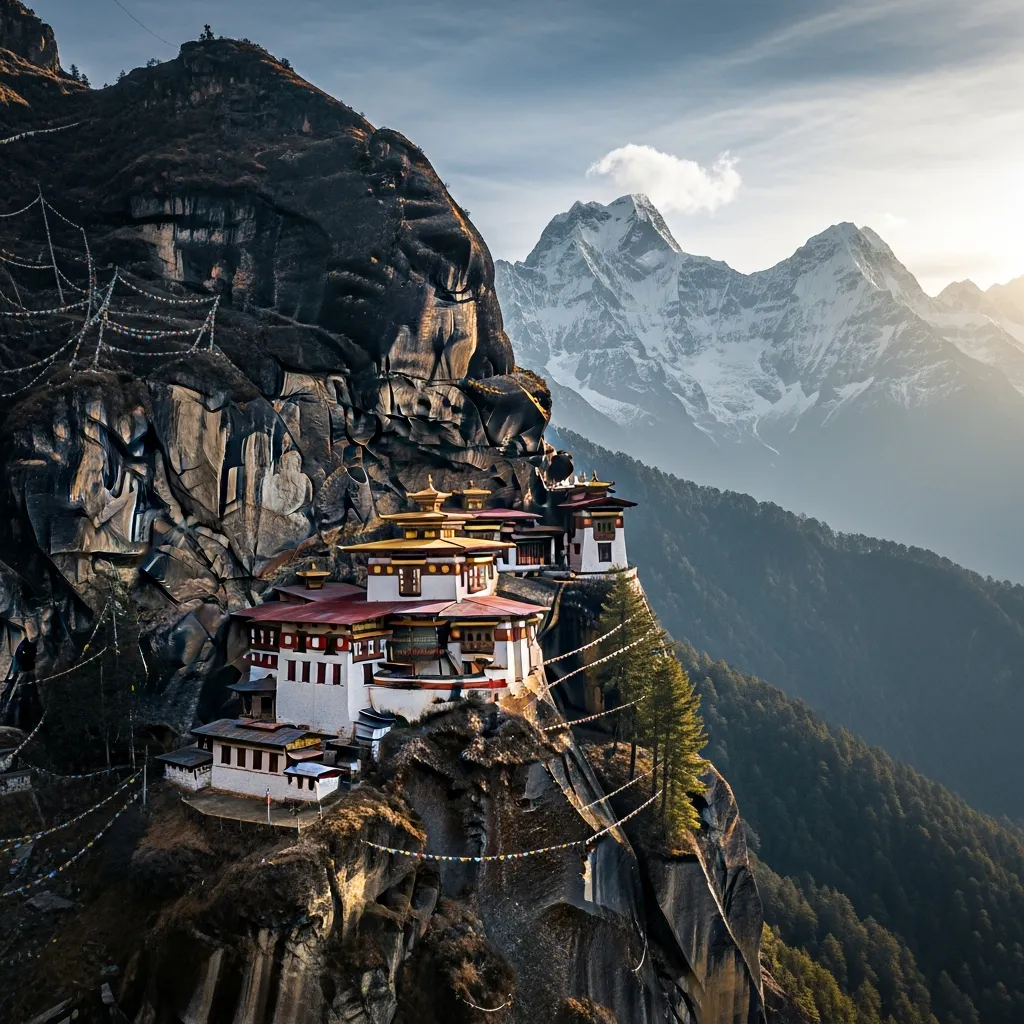
High above the bustling plains, where the air grows thin and snow-capped peaks touch the sky, a profound sense of peace awaits. This is the domain of Himalayan Buddhist monasteries. These sacred spaces offer a retreat from the noise of modern life. They stand as quiet guardians of ancient wisdom, perched on dramatic cliff sides and nestled in remote valleys across the roof of the world.
For centuries, travelers and spiritual seekers have made the arduous trek to these remote locations. They come seeking enlightenment, cultural understanding, or simply a moment of profound silence. The journey itself is often a physical challenge, but the reward is an unparalleled glimpse into a way of life that has remained largely unchanged for generations. The colorful prayer flags fluttering in the mountain breeze signify a deep connection between the earth and the spiritual realm.
This comprehensive guide will walk you through everything you need to know about these remarkable spiritual centers. We will explore their rich history, stunning architecture, and the daily lives of the monks who call them home. You will also find practical advice for planning your own visit, ensuring your journey is respectful, enriching, and unforgettable.
Short Summary: Himalayan Buddhist monasteries are ancient spiritual centers located in the high-altitude regions of Tibet, Nepal, Bhutan, and India. They serve as essential hubs for religious practice, education, and cultural preservation. This guide covers their historical significance, architectural styles, daily monastic life, and practical tips for visitors looking to experience these sacred sites respectfully.
The Historical and Spiritual Significance of Himalayan Buddhist Monasteries
Ancient Roots and Enduring Traditions
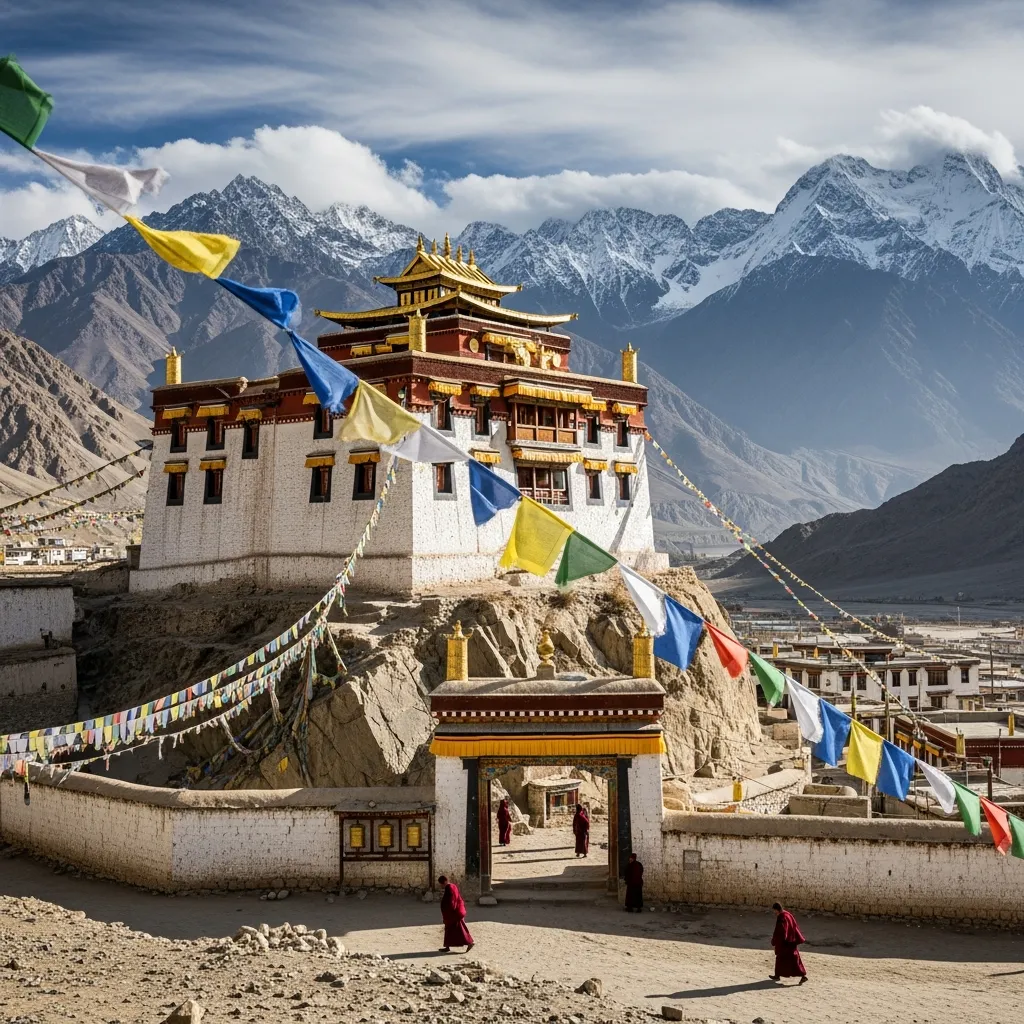
The history of Himalayan Buddhist monasteries stretches back over a millennium. As Buddhism spread from India across the Himalayas, these institutions were established to serve as centers of learning and meditation. Early practitioners sought out remote caves and isolated mountain peaks to practice their faith without distraction. Over time, these humble retreats grew into sprawling monastic complexes. They became the spiritual heart of the surrounding communities, guiding the religious and social lives of the local populations.
The Role of Monasteries in Preserving Buddhist Culture
Himalayan Buddhist monasteries are far more than just places of worship. They are living museums and active universities that protect ancient texts, art, and traditions. Inside their walls, monks meticulously copy sacred scriptures and paint intricate thangkas (scroll paintings). These monasteries have safeguarded the Tibetan Buddhist culture through periods of immense political and social upheaval. By passing down oral traditions and conducting complex rituals, the monastic community ensures that their rich heritage continues to thrive in the modern era.
Architectural Marvels: Exploring the Unique Designs of Himalayan Monasteries
From Cave Monasteries to Grand Gompas
The architecture of Himalayan Buddhist monasteries is entirely unique, shaped by the harsh mountain environment and deep spiritual symbolism. Early structures were often built directly into cliff faces or around sacred meditation caves. As communities grew, these evolved into grand “gompas” (fortifications of learning). These buildings are constructed using local materials like stone, mud-brick, and timber. They feature thick walls to keep out the bitter cold and flat roofs suited for the high-altitude climate.
Symbolic Elements in Monastery Architecture
Every element of a gompa holds spiritual meaning. The layout typically resembles a mandala, representing the Buddhist universe. Vibrant murals line the entryways, depicting the Wheel of Life and various protective deities. At the center of the complex lies the main prayer hall, heavily decorated with statues of the Buddha and bodhisattvas. The physical ascent to these monasteries often mirrors the spiritual journey toward enlightenment, requiring effort, patience, and dedication from the visitor.
Daily Life in a Monastery: Rituals, Practices, and Education
The Monastic Schedule: Prayers, Chants, and Meditation
Life inside Himalayan Buddhist monasteries follows a rigorous and deeply spiritual rhythm. The day begins well before dawn with the sound of a conch shell calling the monks to the main hall. Morning pujas (prayer ceremonies) involve rhythmic chanting accompanied by traditional instruments like cymbals, drums, and long horns. Throughout the day, monks engage in group prayers, silent meditation, and the performance of specific rituals meant to generate compassion and merit for all living beings.
Education and the Transmission of Knowledge
Education is a cornerstone of monastic life. Young novices enter the monastery to learn reading, writing, and Buddhist philosophy. As they grow older, their studies intensify. They engage in rigorous theological debates, a lively and physical practice that tests their understanding of complex doctrines. Many Himalayan Buddhist monasteries also teach traditional arts, medicine, and astrology, ensuring the monks receive a well-rounded education that benefits both the monastic community and the lay people who rely on their guidance.
Famous Himalayan Buddhist Monasteries to Visit
Key Monasteries in Ladakh, Nepal, Bhutan, and Tibet
The Himalayan region is dotted with spectacular monasteries, each with its own unique charm. In Ladakh, India, Hemis Monastery is famous for its vibrant summer festival, while Thiksey Gompa resembles a miniature Potala Palace. In Nepal, Tengboche Monastery offers breathtaking views of Mount Everest and serves as a vital spiritual hub for the Sherpa community. Bhutan is home to the iconic Paro Taktsang, or Tiger’s Nest, clinging precariously to a sheer cliff. In Tibet, the great academic monasteries like Sera and Drepung remain essential stops for any cultural pilgrim.
Tips for Respectful Visits
Visiting Himalayan Buddhist monasteries requires a deep sense of respect for the local culture. Always walk clockwise around stupas and prayer wheels. Do not point your feet toward altars or statues of the Buddha, as this is considered highly offensive. Speak softly, ask for permission before taking photographs, and leave a small donation if you attend a prayer ceremony. Remembering that these are active places of worship, rather than mere tourist attractions, will greatly enhance your experience.
Cultural Immersion: Beyond the Monastery Walls

Engaging with Local Communities and Traditions
A journey to these sacred sites is incomplete without connecting with the people who live in their shadows. The communities surrounding Himalayan Buddhist monasteries share a deeply symbiotic relationship with the monks. Spending time in local villages, staying in family-run guesthouses, and sharing a meal of traditional dal bhat or momos offers a deeper understanding of the regional culture.
Local Market Cultural Experiences
To truly grasp the pulse of the region, travelers should seek out Local Market Cultural Experiences. Browsing through high-altitude bazaars allows you to interact with artisans selling hand-spun wool, traditional jewelry, and religious artifacts. These markets are bustling hubs of daily life where you can witness the vibrant trading traditions of the Himalayan people.
Event Tickets Online for Cultural Festivals
Many monasteries host annual festivals known as Tshechus or Cham dances, featuring monks performing masked dances to celebrate the victory of good over evil. Securing access to these popular events has become much easier in recent years. You can often find Event Tickets Online to guarantee your spot at these spectacular cultural gatherings, saving you time and stress during peak travel seasons.
Planning Your Pilgrimage: Essential Tips for Travelers
Best Time to Visit and What to Pack
The optimal time to visit Himalayan Buddhist monasteries is during the spring (April to early June) and autumn (September to November) seasons. During these months, the weather is relatively clear, and the mountain passes are free of heavy snow. Packing requires careful consideration. Bring layers of warm clothing, as temperatures can drop drastically at night. Good hiking boots, sun protection, and a basic first-aid kit are absolute necessities for traveling in high-altitude environments.
Navigating Local Customs and Etiquette
Understanding local etiquette is vital for a smooth journey. Dress modestly; both men and women should keep their shoulders and knees covered, especially when entering sacred spaces. Greet locals with a traditional “Julley” in Ladakh, “Namaste” in Nepal, or “Tashi Delek” in Tibet and Bhutan. Removing your shoes before entering the main prayer halls of Himalayan Buddhist monasteries is a strict rule you must always follow.
The Impact of Tourism on Himalayan Buddhist Monasteries
Sustainable Tourism Practices
The rising popularity of Himalayan Buddhist monasteries has brought both economic benefits and environmental challenges to the region. To minimize your footprint, practice sustainable tourism. Carry a reusable water bottle, avoid single-use plastics, and stick to marked trails to prevent soil erosion. Choosing eco-friendly accommodations and hiring local guides ensures that your money directly supports the regional economy.
Preserving the Future of Monastic Life
Increased foot traffic can sometimes disrupt the quiet reflection required for monastic life. Visitors must strike a balance between curiosity and reverence. By respecting the boundaries set by the monks and contributing to conservation funds, travelers can help ensure that Himalayan Buddhist monasteries remain peaceful sanctuaries for future generations of spiritual seekers.
The Enduring Allure of Himalayan Buddhist Monasteries
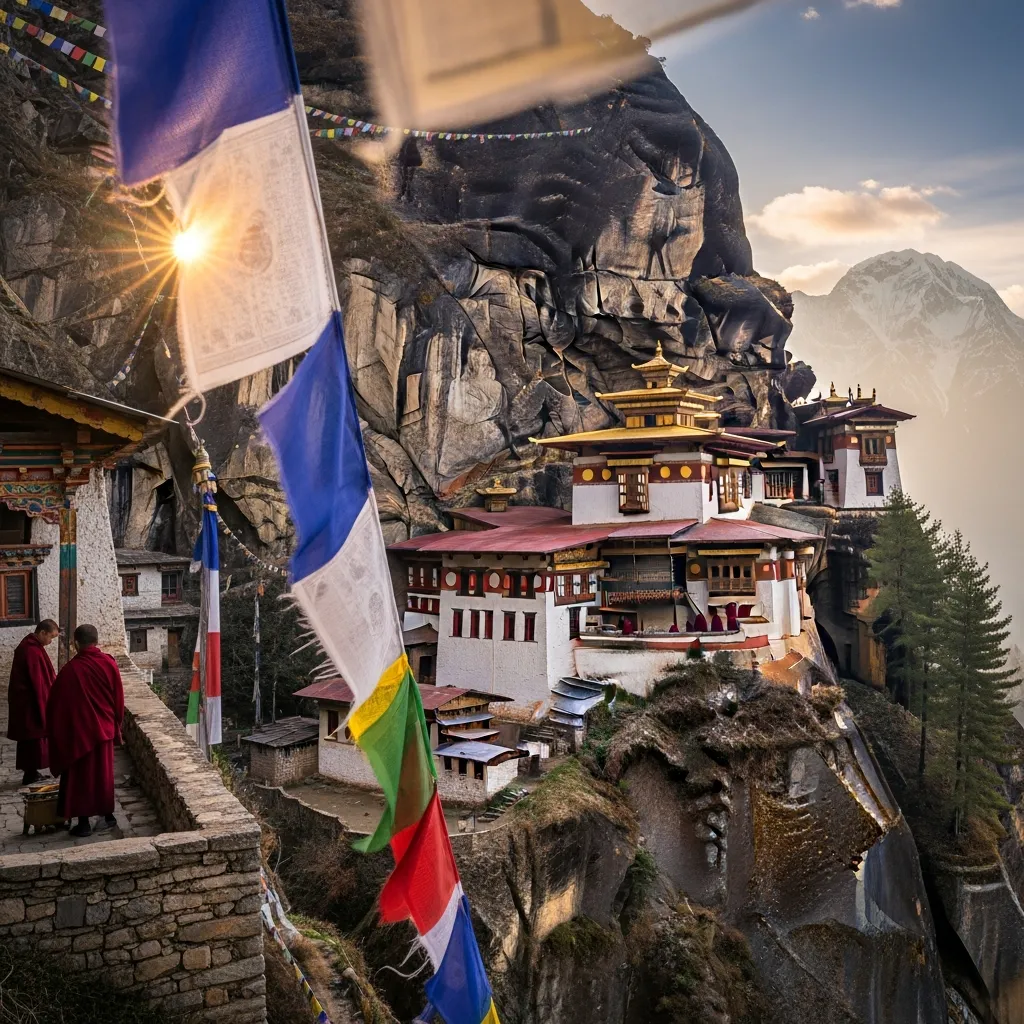
The magic of these mountain sanctuaries is difficult to put into words. Himalayan Buddhist monasteries offer a rare space where time seems to stand still, allowing visitors to reconnect with themselves and the natural world. Whether you are marveling at the ancient architecture, listening to the deep resonance of monastic chants, or exploring the vibrant local markets, the experience leaves a lasting mark on the soul. By approaching your journey with respect and an open heart, you will discover a profound sense of peace that lingers long after you have descended from the mountains.
Frequently Asked Questions
What is a Himalayan Buddhist monastery?
A Himalayan Buddhist monastery is a religious community and complex located in the high-altitude regions of the Himalayas. They serve as places of worship, meditation, and education for Buddhist monks and nuns.
Why are these monasteries important?
They are vital centers for preserving ancient Tibetan Buddhist traditions, art, and scriptures. They also provide spiritual guidance and educational resources for the surrounding local communities.
Can anyone visit a Himalayan Buddhist monastery?
Yes, most Himalayan Buddhist monasteries welcome visitors of all faiths and backgrounds. However, certain interior rooms or specific ceremonies may be restricted to practicing monks.
What should I wear when visiting a monastery?
Modest clothing is essential. Visitors should wear long pants or skirts that cover the knees, and shirts that cover the shoulders and chest. Hats and shoes must be removed before entering main prayer halls.
Are there specific rules of conduct within a monastery?
Visitors must walk clockwise around sacred objects, speak quietly, and refrain from pointing their feet at statues or monks. Always ask for permission before taking photographs inside the buildings.
What are some of the most famous Himalayan Buddhist monasteries?
Notable examples include Hemis and Thiksey in Ladakh (India), Tengboche in Nepal, Paro Taktsang (Tiger’s Nest) in Bhutan, and the Sera and Drepung monasteries in Tibet.
How do I get to these remote monasteries?
Accessing them usually requires a combination of domestic flights, long drives on mountain roads, and trekking. Hiring a local guide or driver is highly recommended due to the rugged terrain.
What kind of cultural experiences can I expect around monasteries?
You can enjoy Local Market Cultural Experiences, witness traditional farming practices, stay in local homestays, and observe regional artisans creating religious crafts and textiles.
How can I buy Event Tickets Online for local festivals?
Many travel agencies and official tourism boards now offer Event Tickets Online. You can book passes for major monastic festivals, like the Hemis Festival or Bhutanese Tshechus, through their official websites prior to your trip.
What is the best time of year to visit?
Spring (April to June) and autumn (September to November) offer the most stable weather and clear mountain views. Winter brings heavy snow that blocks many access roads.
How can I support the local communities and monasteries?
Hire local guides, stay in locally owned accommodations, purchase souvenirs directly from artisans, and leave respectful donations in the donation boxes provided inside the monasteries.
Is it safe to travel to these regions?
Generally, yes. However, travelers must be prepared for altitude sickness, unpredictable mountain weather, and basic medical facilities. Proper acclimatization and comprehensive travel insurance are highly recommended.



Leave a Reply