


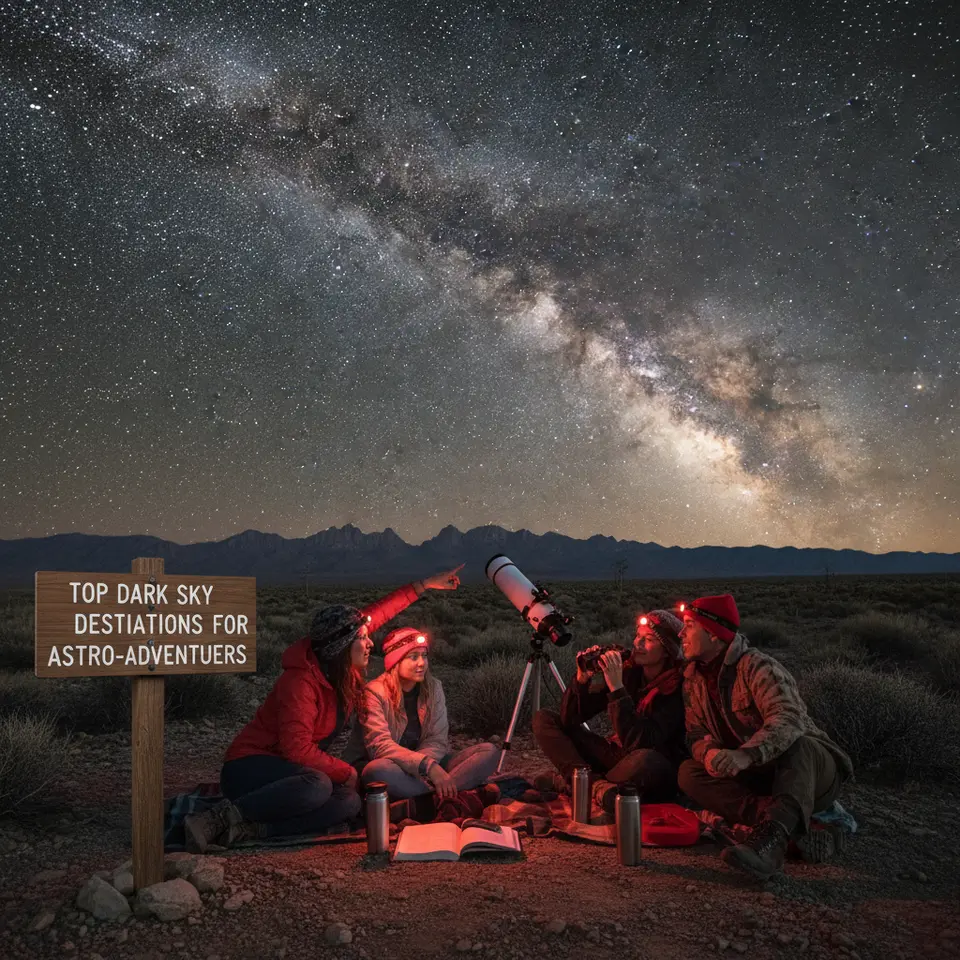
In today’s modern world where city lights glow all night, few experiences compare with escaping to remote wilderness and gazing up at a sky filled with countless stars. Dark sky destinations provide a window into the cosmos by minimizing artificial illumination and preserving conditions for astronomy. In today’s digital landscape travelers are increasingly seeking off-the-beaten-path excursions that allow a deeper connection with nature and the universe. By visiting certified Dark Sky Parks and Reserves you can witness the Milky Way, meteor showers, and planets with remarkable clarity. This year (2026) is a prime time to plan an astro-escape, as many locations worldwide offer special events, guided tours, and educational programs for visitors of all ages. In this comprehensive guide we will explore the essence of true dark sky destinations, identify top spots across the globe, discuss ideal timing, review essential equipment, and share tips for responsible stargazing that supports conservation efforts. Whether you are a seasoned amateur astronomer or simply seeking a moment of awe beneath the Milky Way, dark sky destinations promise unforgettable nights beneath the stars.
Understanding the Appeal of Dark Sky Destinations
Remote locations with minimal light pollution offer starry vistas that are nearly impossible to replicate in urban areas. Currently many travelers recognize the unique draw of visiting sites certified by the International Dark-Sky Association for delivering pristine night skies. These designations require communities to adopt lighting ordinances, protect natural habitats, and provide public education on preserving nocturnal environments. Criteria often include precise measurements of sky brightness and land management practices that ensure dark sky integrity.
When researching your next astro-retreat you should look for Dark Sky Parks, Reserves, or Sanctuaries that meet international standards. The IDA publishes detailed site data at https://www.darksky.org, allowing visitors to compare sky quality maps, review local lighting policies, and learn about guided stargazing events. Many certified areas partner with astronomy centers or universities to host night sky festivals, telescope workshops, and meteor shower parties that elevate the visitor experience.
Understanding what makes a dark sky destination special also involves recognizing cultural, scientific, and ecological aspects. Indigenous communities often share traditional star lore alongside modern astronomical research, while protected habitats support nocturnal wildlife. Scientific observatories within these regions collect data on celestial events, contributing to astrophysics and atmospheric studies. Visitors to dark sky destinations play a role in conservation by supporting community-led efforts to reduce light pollution and foster sustainable tourism.
Digital tools and mobile apps further enhance planning by providing real-time measurements of light pollution, cloud cover, and moon phases. Resources from government agencies like the National Aeronautics and Space Administration at https://www.nasa.gov and the National Oceanic and Atmospheric Administration at https://www.noaa.gov can also alert astronomy enthusiasts to upcoming celestial events such as eclipses, meteor showers, and planetary alignments. Armed with this information, you can tailor your trip for an optimal stargazing experience.
Top Dark Sky Destinations Around the Globe
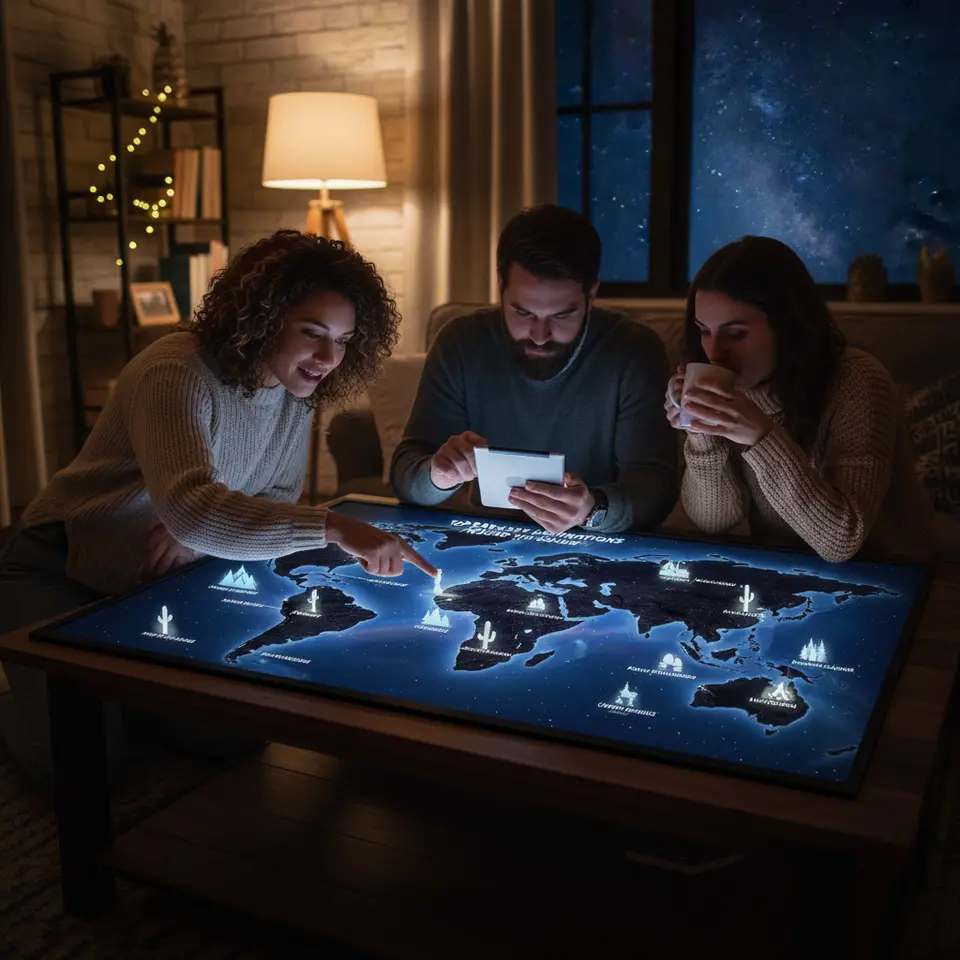
Aoraki Mackenzie International Dark Sky Reserve, New Zealand
Situated on New Zealand’s South Island, Aoraki Mackenzie International Dark Sky Reserve spans over 4,300 square kilometers of alpine terrain. Here the Southern Cross and the central bulge of the Milky Way dominate the horizon. Guided astronomy tours offer telescopes and expert commentary. Visitors who travel between March and October enjoy crisp, clear nights with minimal moisture and exceedingly low light pollution.
Jasper National Park Dark Sky Preserve, Canada
Alberta’s Jasper National Park covers more than 11,000 square kilometers as North America’s largest Dark Sky Preserve. Each October the park hosts a Dark Sky Festival featuring public lectures, meteor shower viewings, and telescope demonstrations. Due to its high elevation and dry air, constellations stand out with exceptional sharpness and the winter months occasionally reveal the aurora borealis dancing overhead.
NamibRand Nature Reserve, Namibia
In southern Namibia the private NamibRand Nature Reserve offers vast desert landscapes with virtually zero artificial illumination. Elevated star decks allow uninterrupted views of the Milky Way, the Magellanic Clouds, and frequent meteor streaks. Wildlife safaris blend seamlessly with night sky tours, creating a unique combination of astrophotography and nocturnal animal spotting. Prime viewing months run from October through December.
Grand Canyon-Parashant National Monument, USA
Grand Canyon-Parashant National Monument in Arizona is one of the darkest spots in the contiguous United States. Remote backroads require high-clearance vehicles, but adventurers are rewarded with a full 360° celestial panorama. Rangers lead night hikes under the stars, and backcountry campers can set up telescopes far from artificial lights to observe lunar craters, meteor showers, and distant galaxies.
Roque de los Muchachos Observatory, La Palma, Spain
Perched at 2,400 meters on La Palma in the Canary Islands, the Roque de los Muchachos Observatory operates major research telescopes under strict lighting regulations enforced by its UNESCO Biosphere Reserve status. Public tours grant access to the night dome and exceptional views of both northern constellations and summertime Milky Way vistas. The island’s volcanic ridges provide unobstructed horizons in every direction.
Mont-Mégantic International Dark Sky Reserve, Canada
Quebec’s Mont-Mégantic was the world’s first Dark Sky Reserve, covering nearly 1,500 square kilometers. The ASTROLab Astronomy and Biodiversity Centre offers interactive exhibits, guided night sky excursions, and telescope stations. Autumn skies reveal rich Milky Way arches, while winter nights provide occasional northern lights displays. Accommodations range from observatory lodges to nearby eco-cabins.
Kiruna, Swedish Lapland
In Swedish Lapland the mining town of Kiruna combines remote wilderness with indigenous Sami culture. Winter nights are long and pitch-black, perfect for chasing the aurora borealis and deep-sky observations. Guests stay in ice hotels or cozy cabins before embarking on snowmobile or dog sled adventures that culminate in warm star gazing shelters under a galaxy-filled sky.
Cherry Springs State Park, USA
Managed by the Pennsylvania Department of Conservation and Natural Resources, Cherry Springs State Park is a certified Dark Sky Park renowned for exceptional sky quality ratings. Its astronomy pavilion includes electrical hookups, picnic tables, and restrooms. Amateur astronomers convene here for star parties and rigorous deep-sky observing sessions from May through September, capturing nebulae, planets, and galactic cores.
Timing Your Stargazing Adventure
Selecting the right time of year plays a pivotal role in maximizing your experience at dark sky destinations. New moon periods are essential, since the absence of lunar light keeps skies at their faintest. Consult lunar calendars to plan trips around the darkest nights, and aim for dates when the Moon is a thin crescent or entirely below the horizon.
Seasonal peaks also influence viewing quality. Winter months offer longer, uninterrupted nights that allow for extended observation sessions before dawn. In contrast, summer nights in the Northern Hemisphere feature warmer temperatures and opportunities to view the galactic core of the Milky Way after midnight. Southern Hemisphere travelers can similarly target their winter for optimal darkness.
Weather forecasting is equally critical. Clear skies free of clouds and haze deliver the sharpest views, so monitor local forecasts via services like the National Weather Service or global satellite data from https://www.noaa.gov. Pay attention to humidity and wind conditions, since moisture and turbulence can scatter light and obscure celestial objects.
Altitude provides another advantage: the higher you climb, the thinner and drier the air becomes. Many dark sky destinations sit above 1,500 meters, reducing atmospheric distortion. Combine elevation with deserts and plateau regions to find some of the world’s best stargazing sites. By aligning new moon cycles, seasonal conditions, and elevation factors, you can create an itinerary that maximizes clear sky nights and celestial phenomena.
Essential Gear and Preparation for Dark Sky Excursions
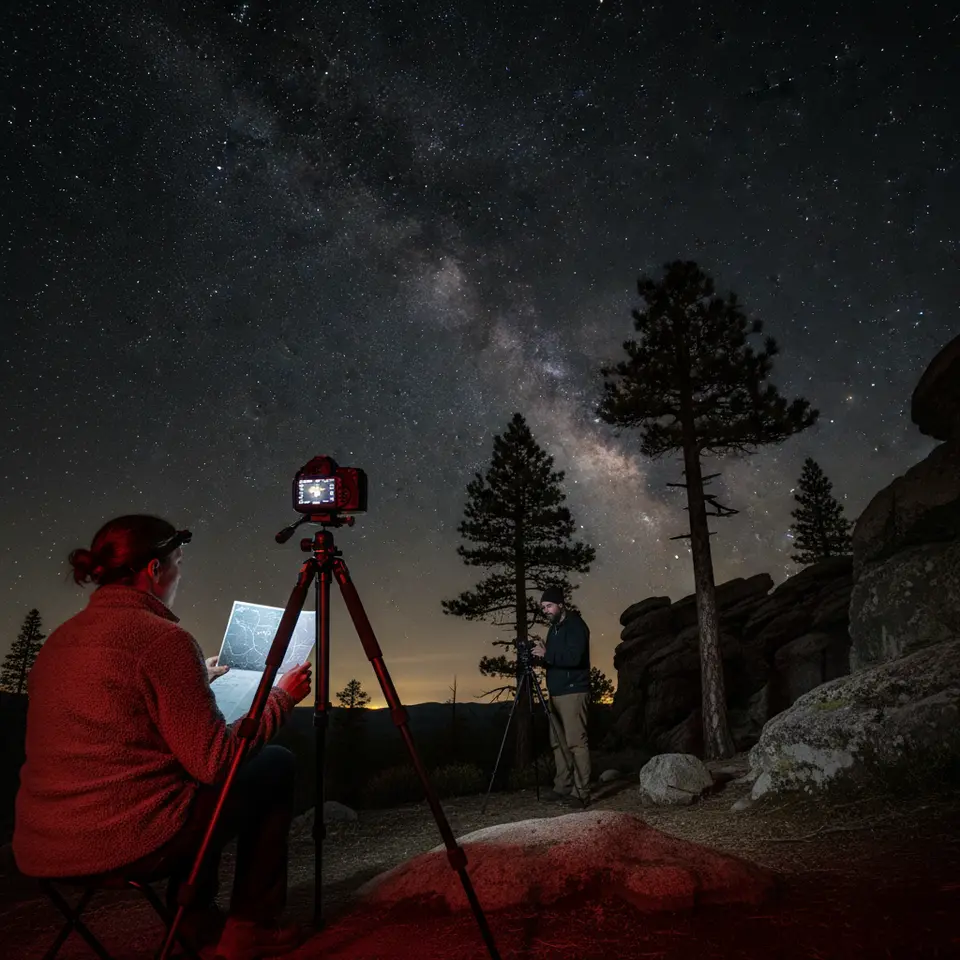
While you can enjoy stargazing with the naked eye, packing the right gear enhances comfort and discovery. A red-light headlamp preserves night vision when consulting star maps or navigating campsites. Avoid white light sources that may cause pupil constriction and temporary night blindness.
Telescope or binoculars serve different needs: entry-level telescopes reveal lunar craters, planetary moons, and some deep-sky objects, while stabilized binoculars offer portability and wide-field views of star clusters. Pair optical instruments with an offline star chart app on your smartphone or tablet to identify constellations, planets, and faint nebulas in real time.
Nighttime temperatures can plummet—even in deserts—so layering warm clothing and bringing an insulated mat or camping pad ensures you stay comfortable during prolonged skywatching sessions. Pack gloves, wool socks, and a down jacket. A portable power bank or solar charger keeps devices operational for navigation, photography, and emergency communication.
Finally, prepare for remote travel by informing local authorities of your itinerary and carrying first-aid supplies and extra food and water. If you plan backcountry camping or off-road driving, verify permits and vehicle requirements. Research local guidelines on campfires and waste disposal to minimize environmental impact, ensuring dark sky destinations remain pristine for generations to come.
Astrophotography Basics and Responsible Stargazing
Astrophotography adds an extra dimension to your stargazing journey. A sturdy tripod is indispensable for sharp long-exposure shots. Pair it with a wide-angle lens of 14–24mm focal length and a fast aperture (f/2.8 or wider) to capture expansive sky vistas. Manual focus set to infinity helps lock in distant stars and eliminates hunting autofocus issues.
Camera settings typically start at ISO 1600–3200 and exposure times between 15 and 25 seconds, depending on sensor performance and star trailing tolerance. Review histograms after each shot to avoid blown highlights and adjust settings accordingly. Experiment with different compositions, including foreground elements like rock formations or silhouetted trees for depth and context.
Responsible stargazing etiquette is equally important. Stay on designated paths and campsites to protect fragile ecosystems and wildlife habitats. Use red filters on flashlights whenever possible and avoid shining beams into the sky, which can disrupt both animal behavior and fellow observers. Adhere to leave-no-trace principles by packing out all trash and minimizing noise.
Support local light pollution reduction initiatives by choosing accommodations and tour operators certified as Dark Sky Friendly. Engage with community events that promote awareness of night sky conservation, and share your experiences in social networks to inspire others. By combining astrophotography best practices with ethical stargazing, you help ensure that dark sky destinations remain spectacular for future visitors.
Frequently Asked Questions
What is a Dark Sky Destination?
A Dark Sky Destination is an area recognized by organizations like the International Dark-Sky Association for its exceptionally low levels of artificial light pollution, strict lighting ordinances, and commitment to preserving natural nightscapes.
When is the best time to visit for stargazing?
The optimal time aligns with new moon phases for minimal lunar illumination, clear weather forecasts, and, where possible, higher elevations or dry seasons. Winter months in temperate zones and Southern Hemisphere winters often provide the darkest, clearest nights.
What essential gear should I bring?
Key items include a red-light headlamp, a tripod-mounted telescope or stabilized binoculars, layered warm clothing, an offline star chart app, and power sources like portable batteries or solar chargers for extended outings.
How can I support dark sky conservation?
Follow local lighting guidelines, use red filters on lights, stay on designated trails, pack out all waste, and choose Dark Sky Friendly accommodations and tour operators. Sharing your responsible stargazing experiences helps raise awareness.
Conclusion
Dark sky destinations offer a life-changing window into the cosmos, blending scientific discovery, cultural heritage, and environmental stewardship. From the high plateaus of New Zealand to the deserts of Namibia and the frozen wastes of Swedish Lapland, these protected sites showcase the universe in all its splendor. By planning around new moon cycles, monitoring weather forecasts, and equipping yourself with the right gear—even an entry-level telescope or stabilized binoculars—you can elevate your astronomical adventures. Equally important is practicing responsible stargazing etiquette: using red-light headlamps, following local guidelines, and supporting community-driven conservation efforts. This year (2026) seize the opportunity to explore certified Dark Sky Parks, Reserves, and Sanctuaries for uninterrupted vistas of the Milky Way, meteors, planets, and aurora displays. Pack your gear, study star charts, and immerse yourself in the night sky. Your journey beyond city lights awaits, promising moments of awe and wonder under a pristine celestial canopy.



Leave a Reply