


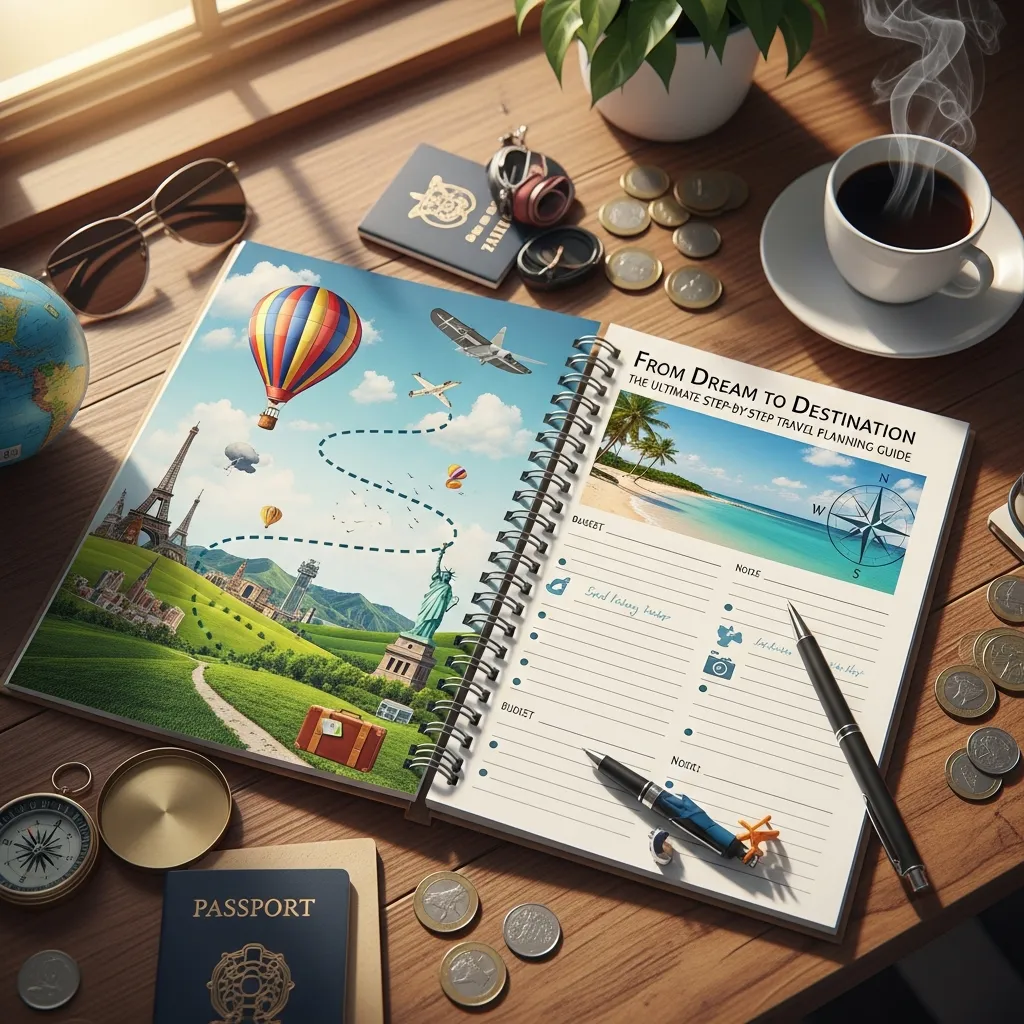
Step-by-Step Travel Planning helps turn a travel idea into a smooth, stress-free trip by breaking the process into clear stages. From choosing your destination and setting a budget to booking flights, preparing documents, packing smart, and finalizing your itinerary, this approach makes travel easier, more organized, and more enjoyable.
The spark of a new travel idea is pure magic. It’s a flash of a sun-drenched beach, the scent of a bustling foreign market, or the thrill of a mountain peak. But between that initial dream and the moment you step off the plane, there lies a journey of its own: the planning. For some, it’s a delightful puzzle; for others, it can feel like a daunting mountain of logistics. Where do you even begin?
The Foundation – Dreaming and Drafting (3-6 Months Before)

This is the most exciting phase, where your trip is pure potential. It’s all about defining the “what, where, when, and how much.” Getting this right sets the stage for a smooth and successful journey.
Step 1: Define Your Travel ‘Why’
Before you even look at a map, look inward. What do you want to get out of this trip? The answer will guide every subsequent decision. Are you seeking:
- Relaxation? Think all-inclusive resorts, quiet beach towns, or serene countryside retreats.
- Adventure? Consider destinations known for hiking, diving, rock climbing, or safari.
- Cultural Immersion? Look at historically rich cities, regions with unique festivals, or places renowned for their culinary scenes.
- Social Connection? Maybe a group tour, a vibrant city with a lively nightlife, or a family-friendly destination is in order.
Be honest with yourself. Trying to cram an adventure-packed itinerary into a trip where you secretly crave a hammock and a good book is a recipe for disappointment. Your ‘why’ is your compass.
Step 2: Set a Realistic Budget
Money is often the biggest hurdle in travel, but it doesn’t have to be a mystery. A clear budget is liberating, not restrictive. Break it down into categories:
- Major Transport: Flights, long-distance trains, or gas for a road trip.
- Accommodation: Hotels, hostels, apartments, etc.
- Daily Spending: Food, local transport, entrance fees, and activities.
- Pre-Trip Costs: Visas, travel insurance, new gear.
- Contingency Fund: ALWAYS set aside 10-15% of your total budget for unexpected costs. A missed train, a medical issue, or a must-have souvenir will thank you.
Research is key here. A quick search for “average daily cost in [Destination]” will give you a baseline. Be honest about your travel style. Are you a five-star diner or a street food aficionado? This will drastically alter your daily spending estimate.
Step 3: Choose Your Destination & Timing
Now for the fun part! With your ‘why’ and budget in hand, you can start exploring destinations. Consider the ‘shoulder seasons’ (the months just before and after the peak season). You’ll often find pleasant weather, fewer crowds, and lower prices. For example, visiting the Mediterranean in May or September can be far more enjoyable than in the peak heat and crowds of August.
Check for major holidays or festivals in your potential destinations. While attending an event like Oktoberfest in Germany can be a highlight, it also means booking accommodation and flights far in advance and paying a premium.
The Logistics – Booking and Structuring (2-4 Months Before)
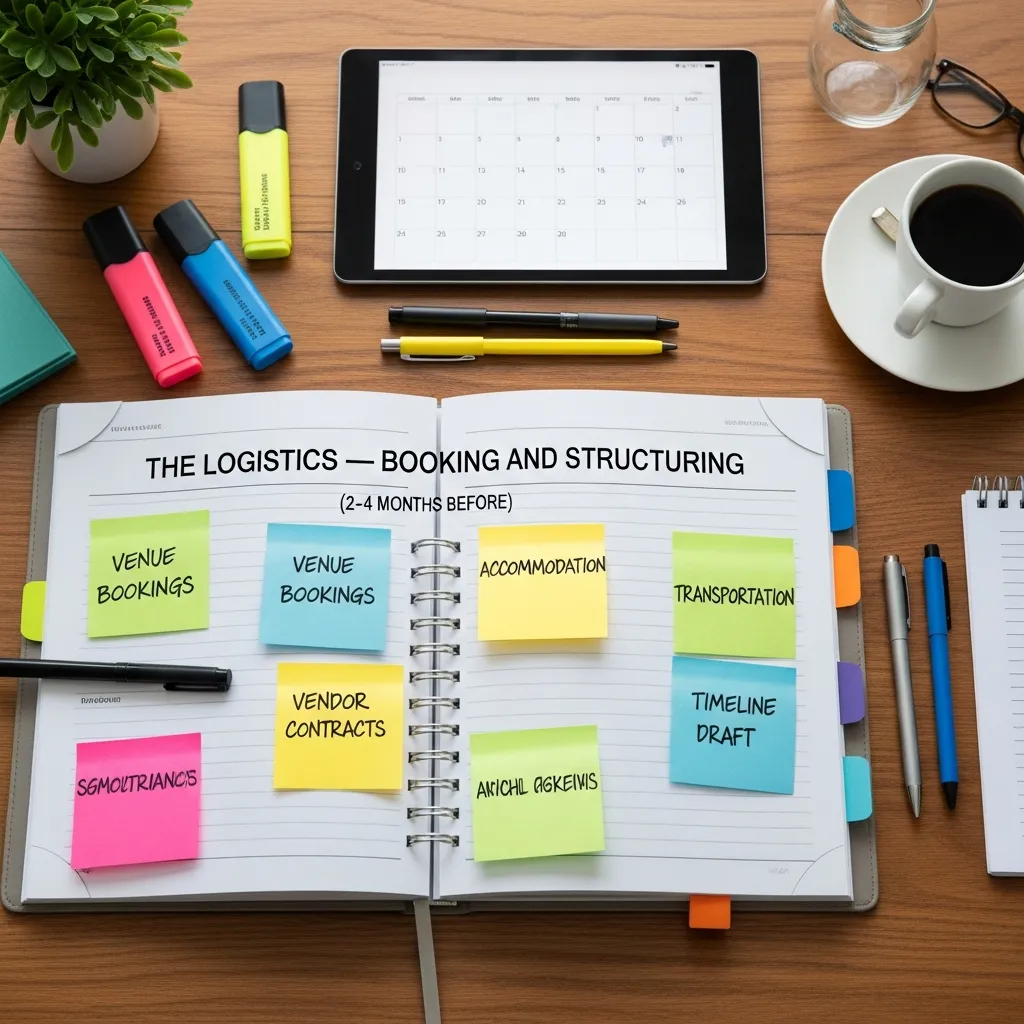
With a destination and budget, it’s time to start making commitments. This is where your trip starts to feel real.
Step 4: The Art of Booking Flights
Your flight is likely the most significant single expense. Don’t rush it.
- Be Flexible: If you can, fly on a Tuesday or Wednesday, as these are often the cheapest days. Use flight search engines that allow you to search for a whole month to see price variations.
- Use Incognito Mode: Some believe airlines use cookies to track your searches and raise prices. While the evidence is debated, it doesn’t hurt to search in a private or incognito browser window.
- Set Price Alerts: Use tools like Google Flights or Skyscanner to set up alerts for your desired route. You’ll get an email when the price drops.
- Consider the Full Cost: Budget airlines can be tempting, but check their fees for checked bags, seat selection, and even printing a boarding pass. Sometimes, a legacy carrier is cheaper once all is said and done.
Step 5: Secure Your Accommodation
Where you sleep can define your trip. Book major stays, especially for your first and last nights, in advance. For longer trips, you might leave some flexibility in the middle.
- Hotels: Offer convenience, security, and amenities like a concierge and daily cleaning. Great for short stays or when you want a hassle-free experience.
- Apartment Rentals (e.g., Airbnb, Vrbo): Provide a kitchen, more space, and a ‘live like a local’ feel. Ideal for families, groups, or longer stays.
- Hostels: No longer just for young backpackers. Modern hostels offer private rooms, are incredibly social, and are fantastic for budget-conscious solo travelers.
Read reviews carefully. Pay less attention to a single bad review and more to consistent themes. Is the location repeatedly called “noisy”? Is the Wi-Fi consistently praised? That’s the information you can trust.
Step 6: Draft a Loose Itinerary
The keyword here is loose. An over-scheduled itinerary is a thief of joy. Instead of planning every hour, plan one or two ‘anchor’ activities per day.
An anchor could be a major museum visit, a planned hike, a dinner reservation, or a guided tour. Build your day around that, leaving plenty of room for spontaneous discoveries. Some of the best travel memories come from stumbling upon a hidden cafe or wandering down an interesting-looking street.
Book tickets for can’t-miss attractions (like the Eiffel Tower or the Colosseum) online in advance to skip notoriously long lines.
The Details – Preparation and Paperwork (1-2 Months Before)
This phase is less glamorous but absolutely critical. Getting these details right ensures you can handle any situation that arises.
Step 7: Check Passports, Visas, and Vaccinations
This is non-negotiable. Check your passport’s expiration date. Many countries require it to be valid for at least six months after your planned departure date. If it’s close, renew it immediately.
Research visa requirements for your nationality and destination. Some countries offer visas on arrival, while others require a lengthy application process. Start this early. Check your government�s;s official travel advisory website for the most accurate information.
Consult your doctor or a travel clinic about recommended or required vaccinations for your destination. Some require a series of shots over several weeks.
Step 8: Handle Your Money and Insurance
Inform your bank and credit card companies of your travel dates and destinations to prevent them from freezing your cards due to suspicious activity. Inquire about foreign transaction fees; consider getting a card that waives them.
And now, for the most important thing you will buy: travel insurance. It is not optional. A medical emergency abroad can be financially catastrophic. A good policy covers medical expenses, trip cancellation, lost luggage, and more. Read the policy details carefully. It is the best money you will ever spend for peace of mind.
The Final Countdown (The Week Before)

The excitement is building! It’s time for the final preparations that will make your trip smooth from the moment you leave home.
Step 9: The Art of Packing
Lay out everything you think you need… and then put half of it back. Pack for the activities you have planned, not for every possible contingency. Versatile layers are your best friend.
- Packing Cubes: These are a game-changer for organization and compressing clothes.
- Carry-On Essentials: Your carry-on should contain anything you can’t live without for 24 hours: a change of clothes, essential medications, chargers, travel documents, and basic toiletries.
- Digital & Physical Copies: Take photos of your passport, visas, and credit cards and save them to a secure cloud service. Keep physical photocopies in a separate bag from the originals.
Step 10: Tech and Home Prep
Download offline maps of your destination using Google Maps. Download podcasts, music, and movies for the flight. Charge all your electronics, including portable power banks.
At home, arrange for mail to be held, a pet sitter, or a friend to water your plants. Clean out your fridge. Coming home to a clean, calm space after a long trip is one of the best feelings in the world.
Conclusion: Embrace the Journey
Travel planning is more than just a series of tasks; it’s the beginning of the adventure itself. It’s the process of turning a vague wish into a tangible, thrilling reality. By following these steps, you build a solid foundation that allows for true freedom when you arrive. You’ve handled the logistics, so you can be fully present to savor that perfect sunset, get lost in ancient streets, and say “yes” to unexpected opportunities.
Now, with your roadmap in hand, there’s only one question left: Where to next?
Frequently Asked Questions About Step-by-Step Travel Planning
1. What is step-by-step travel planning?
Step-by-Step Travel Planning is the process of organizing a trip in clear stages, from choosing a destination and setting a budget to booking flights, packing, and preparing travel documents. It helps travelers stay organized and avoid last-minute stress.
2. Why is step-by-step travel planning important?
Step-by-Step Travel Planning is important because it reduces confusion, prevents costly mistakes, and makes the entire travel experience smoother. It also helps travelers manage time, money, and logistics more efficiently before departure.
3. When should I start step-by-step travel planning for an international trip?
For most international trips, Step-by-Step Travel Planning should begin at least 3 to 6 months in advance. This gives you enough time to research destinations, compare prices, apply for visas if needed, and secure better flight and hotel deals.
4. What should be the first step in step-by-step travel planning?
The first step in Step-by-Step Travel Planning is identifying your travel purpose. Knowing whether you want relaxation, adventure, family time, or cultural exploration makes it easier to choose the right destination, budget, and itinerary.
5. How do I create a travel budget during step-by-step travel planning?
A good Step-by-Step Travel Planning budget should include flights, accommodation, food, local transportation, activities, travel insurance, and emergency funds. Breaking your costs into categories makes it easier to control spending and avoid surprises.
6. How do I choose the best destination for step-by-step travel planning?
The best destination for Step-by-Step Travel Planning depends on your budget, travel goals, preferred weather, and available time. It also helps to compare off-season and shoulder-season travel options for better prices and fewer crowds.
7. When should I book flights and hotels in step-by-step travel planning?
In Step-by-Step Travel Planning, flights and accommodation are usually best booked 2 to 4 months before departure for domestic trips and 3 to 6 months ahead for international travel. Booking early often gives you better prices and more options.
8. How detailed should my itinerary be in step-by-step travel planning?
A Step-by-Step Travel Planning itinerary should be structured but flexible. It’s best to plan key activities, transport, and accommodation while leaving some free time for rest, unexpected discoveries, or local experiences.
9. What travel documents should I check during step-by-step travel planning?
During Step-by-Step Travel Planning, you should check your passport validity, visa requirements, travel insurance documents, hotel and flight confirmations, and any vaccination or health entry requirements for your destination.
10. Why is travel insurance part of step-by-step travel planning?
Travel insurance is an essential part of Step-by-Step Travel Planning because it protects you from unexpected costs such as medical emergencies, trip cancellations, lost baggage, or travel delays. It adds peace of mind before and during your trip.
11. What should I pack in the final stage of step-by-step travel planning?
In the final stage of Step-by-Step Travel Planning, pack only the essentials based on your destination, weather, and activities. Important items include travel documents, medications, chargers, comfortable clothing, toiletries, and a carry-on bag with emergency essentials.
12. How can step-by-step travel planning reduce travel stress?
Step-by-Step Travel Planning reduces stress by breaking the trip into manageable stages instead of leaving everything until the last minute. With flights, accommodation, documents, and packing handled in advance, travelers can focus more on enjoying the experience.



Leave a Reply