

Press ESC to close

Your Ultimate Guide to Epic Scenic Train Travel Experiences

Few travel experiences rival the enchantment of scenic train travel, where each window frames a moving tapestry of landscapes that unfold at a leisurely pace. In today’s digital landscape, modern rail networks blend cutting-edge comfort with a deeply nostalgic connection to the golden age of travel. Whether gliding through emerald valleys, tracing coastal cliffs, or threading alpine passes, passengers find a rare opportunity to immerse themselves in uninterrupted panoramas without the usual hassle of airport security or highway traffic. Scenic train travel encourages mindful observation—moments of reflection and spontaneous conversation often arise as fellow travelers share a sense of wonder. This year, more people are rediscovering rails as an eco-friendly alternative to driving or flying, embracing a journey as meaningful as the destination. In this comprehensive guide, we will explore why railroads stand out, how to prepare for an unforgettable trip, and the best practices for making the most of onboard amenities, cultural layovers, and sustainability initiatives. If you’ve ever dreamed of watching landscapes change beyond your train window—while relaxing in comfort and forging memorable connections—read on to plan your next great adventure by rail.

Why Choose Scenic Train Travel Over Other Modes
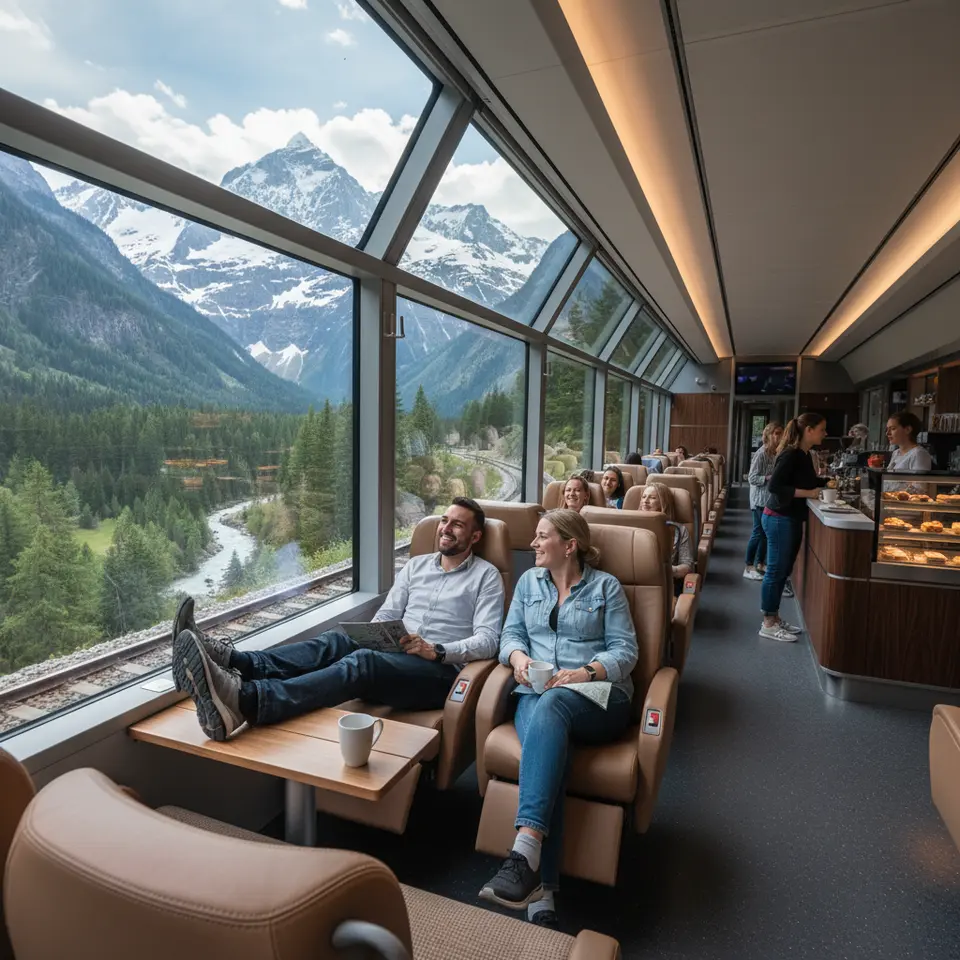
Spacious observation lounge inside a modern scenic train, featuring floor-to-ceiling panoramic windows framing alpine peaks and winding valleys, plush reclining seats with footrests, a sleek café bar serving local delicacies, and passengers enjoying the view

Scenic train travel offers a unique synthesis of comfort, immersion, and environmental responsibility that neither road trips nor air travel can fully replicate. Unlike airplanes that whisk you high above the clouds, trains keep you close to the earth, revealing subtle transitions between mountain foothills, open plains, and coastal stretches. Passengers can move freely between cars, stretch their legs, and interact with fellow travelers in dining or observation lounges. Today, many rail lines boast ergonomic seating, panoramic windows, and dedicated quiet cars for those seeking contemplation or focused work.

From an ecological perspective, trains produce significantly fewer greenhouse gas emissions per passenger mile than private vehicles or commercial flights. According to data from the European Commission, rail transport generates up to 80% less CO₂ than cars, making it a top choice for the conscientious traveler. Moreover, rail networks often connect remote regions underserved by highways, granting access to hidden gems—from rural villages to highland plateaus—without the stress of navigating poorly maintained roads.

Travelers who prioritize experiential journeys find that scenic train travel fosters moments of serendipity: an unexpected wildlife sighting at dawn, a spontaneous conversation in the dining car, or the discovery of local delicacies at station stops. Multi-day routes like the Glacier Express in Switzerland or Canada’s Rocky Mountaineer are cultural experiences as much as they are modes of transport, complete with gourmet meals, guided commentary, and exclusive lodge accommodations along the rails. Whether your goal is relaxation, photography, or immersive exploration, scenic train travel checks every box—providing seamless transitions between landscapes, thoughtfully designed onboard spaces, and minimal environmental impact.

Planning Your Scenic Train Adventure

Successfully organizing a scenic train journey hinges on early research and strategic booking. Many travelers overlook the importance of understanding route schedules, ticket classes, and regional rail passes. Start by identifying your desired itinerary—do you dream of traversing the Alps, exploring coastal fjords, or crossing vast deserts? Once you have a list of must-see rail routes, consult official rail operators for up-to-date timetables and fare options.

International travelers will find value in multi-country passes like Eurail or Interrail, which allow flexible travel days across multiple borders. Domestic travelers can explore economical options such as Amtrak’s USA Rail Pass in North America or Japan Rail Passes for unlimited rides on most Shinkansen lines. Always compare point-to-point tickets with rail pass pricing: sometimes two or three single tickets can be cheaper than a pass, especially for shorter trips or low-cost regional lines.

Book early to secure preferred seat classes and observation cars. Iconic routes often fill up months in advance, so consider subscribing to operator newsletters for flash sales and promotional codes. Group, youth, and senior discounts are frequently available; don’t hesitate to verify eligibility. Check each operator’s cancellation and exchange policies carefully—flexible fares may cost more upfront but offer peace of mind if plans change.

Finally, don’t overlook the power of technology. Apps like Rail Planner and Omio provide real-time status updates, platform information, and seat availability. In today’s fast-paced world, leveraging these tools ensures you can pivot your plans smoothly and stay informed about any service disruptions or schedule adjustments. With your tickets in hand and an itinerary that balances relaxation with exploration, you’re ready to embark on an unforgettable journey through some of the world’s most spectacular scenery.

Packing Essentials for Scenic Train Journeys

Flat-lay of essential packing items for a scenic train journey: compact rolling suitcase, lightweight packing cubes neatly organized with moisture-wicking layers and a water-resistant shell, slip-on shoes, refillable water bottle, snacks, noise-cancelling headphones, power bank, travel adapter, toiletry pouch, and a small first-aid kit

Packing efficiently for a scenic train adventure requires a blend of comfort, practicality, and preparedness for varying climates. First, choose luggage that meets most carrier size and weight guidelines—compact rolling suitcases or streamlined backpacks often fit overhead racks without issue. Consider investing in lightweight packing cubes to organize clothing by type or day, making it easy to retrieve items without unpacking completely.

Layered clothing is essential, as temperatures can fluctuate between air-conditioned cars, heated sleepers, and outdoor station platforms. Pack moisture-wicking base layers, a versatile mid-layer like a fleece or lightweight sweater, and a water-resistant outer shell. A compact travel blanket or shawl can double as an extra warmth layer and a seat cover. Footwear should prioritize comfort and support—slip-on shoes make quick trips to the dining car or restrooms hassle-free.

Don’t forget personal essentials: a refillable water bottle to stay hydrated, snacks such as nuts and dried fruits for energy, and a small toiletry kit with travel-size toothpaste, a toothbrush, hand sanitizer, and wet wipes. Noise-cancelling headphones and an inflatable neck pillow can transform a long-haul ride into a restful experience. Electronics—smartphones, cameras, and tablets—should be protected by a sturdy power bank and an international adapter if traveling through multiple countries. Keep chargers, memory cards, and essential cables in a dedicated pouch to avoid last-minute scrambles.

For health and safety, pack a basic first-aid kit with bandages, pain relievers, and any prescription medications. If you plan on excursions during layovers, a daypack with a lightweight rain jacket, sunscreen, insect repellent, and a paper map or offline map download will be invaluable. By prioritizing versatile, comfortable items that meet your personal needs, you’ll navigate rails with ease and spend more time soaking up the journey than rummaging through your belongings.

Onboard Experiences and Amenities in Scenic Train Travel
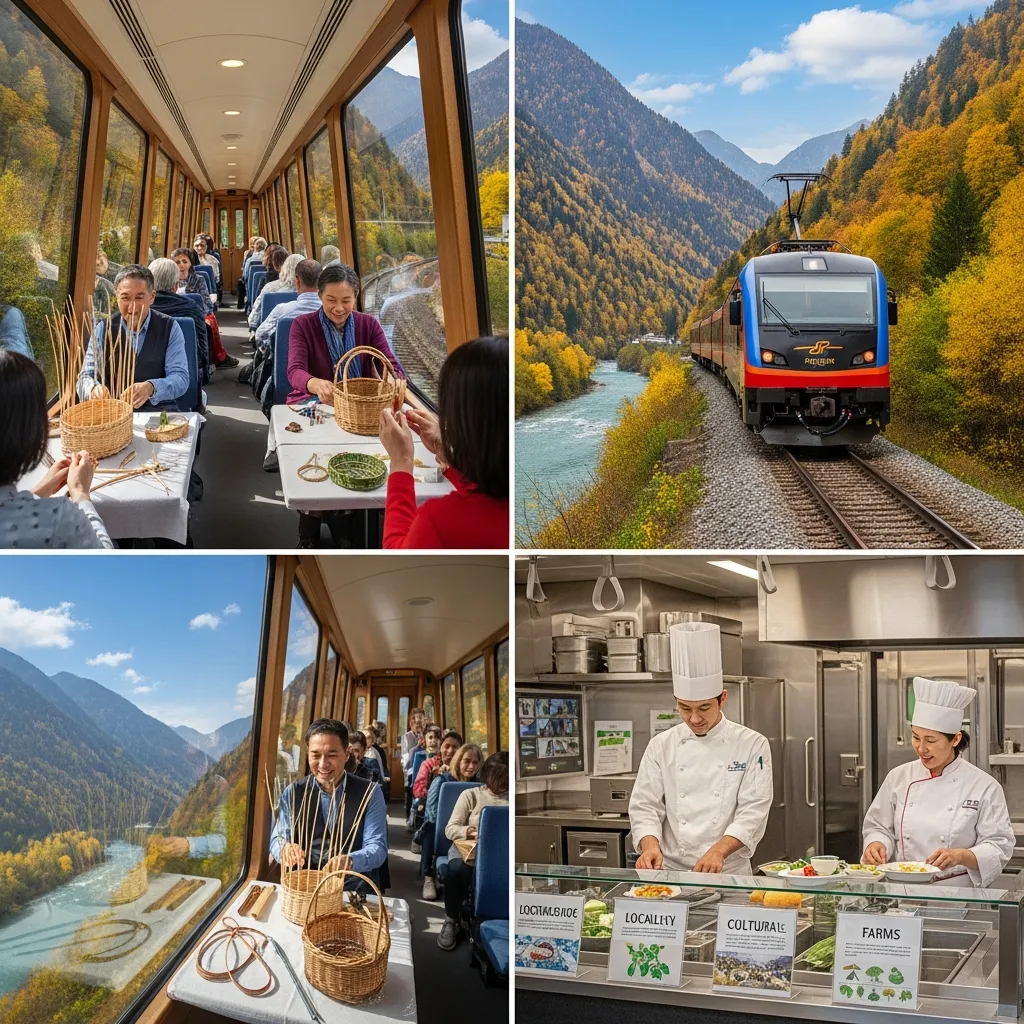
Modern Scenic Train Travel has evolved far beyond simple transportation, transforming rail journeys into luxurious and immersive travel experiences. Today’s premium trains combine comfort, convenience, and breathtaking scenery, allowing passengers to enjoy every moment of the journey as much as the destination itself.

Comfortable Seating and Sleeper Cabins

One of the biggest highlights of Scenic Train Travel is the exceptional onboard comfort. Travelers can choose from spacious reclining seats with footrests, panoramic-view coaches, or private sleeper cabins designed for overnight journeys. Many luxury trains feature plush bedding, private washbasins, climate control, and even en-suite bathrooms that rival boutique hotel accommodations.

Overnight services often include complimentary meals, morning beverages, and wake-up service, ensuring passengers begin each day refreshed while watching spectacular landscapes unfold outside their windows.

Dining Experiences Inspired by Local Culture

Dining cars are a central part of the Scenic Train Travel experience. Many rail operators showcase regional flavors and local ingredients to create memorable onboard meals. Depending on the route, travelers may enjoy Swiss fondue in the Alps, authentic Japanese bento boxes, fresh seafood along coastal railways, or farm-to-table cuisine sourced from nearby communities.

For lighter meals and snacks, café cars remain open throughout the day, offering sandwiches, pastries, coffee, tea, and beverages. These dining spaces also encourage social interaction, making train journeys feel more personal and engaging.

Observation Lounges and Panoramic Views

Observation cars are among the most beloved features of Scenic Train Travel. Large panoramic windows and glass-domed roofs provide uninterrupted views of mountains, rivers, forests, coastlines, and rural landscapes. These spaces are ideal for photography, relaxation, or simply appreciating the changing scenery in comfort.

Some luxury rail services also include onboard bars, live music performances, storytelling sessions, and guided cultural presentations that deepen passengers’ understanding of the regions they travel through.

Modern Technology and Connectivity

Technology has significantly enhanced the modern Scenic Train Travel experience. Many trains now offer onboard Wi-Fi, USB charging ports, and power outlets that help passengers stay connected during long journeys. Travelers can stream entertainment, edit travel photos, or even work remotely while enjoying scenic surroundings.

Certain operators also provide audio guides or digital travel apps that explain nearby landmarks, geological features, and historical sites visible along the route, adding educational value to the journey.

Personalized Service and Hospitality

Exceptional hospitality is another defining feature of premium Scenic Train Travel. Onboard attendants assist with luggage, provide destination recommendations, and accommodate special requests, including dietary preferences or transfer arrangements.

Quiet zones offer peaceful spaces for reading or relaxation, while family-friendly coaches and pet-friendly compartments cater to different traveler needs. Exploring various train cars during the trip also adds variety and allows passengers to experience the full range of onboard amenities.

Sustainable and Cultural Dimensions of Scenic Train Travel

Scenic Train Travel

Modern Scenic Train Travel is not only about comfort and beautiful scenery—it also represents a growing movement toward sustainable tourism and cultural immersion. Travelers increasingly choose rail journeys because they provide environmentally responsible transportation while creating meaningful connections with local communities and traditions.

Eco-Friendly Benefits of Scenic Train Travel

Among all major transportation options, Scenic Train Travel remains one of the most environmentally friendly choices. Trains produce significantly lower carbon emissions per passenger compared to airplanes and private vehicles. Many countries are also investing in electric and hydrogen-powered trains to further reduce environmental impact.

Travelers can make their journeys even more sustainable by carrying reusable water bottles, eco-friendly travel products, and reusable shopping bags. Supporting local vendors at station stops also contributes directly to regional economies and small businesses.

Cultural Immersion Through Rail Journeys

One of the most rewarding aspects of Scenic Train Travel is the opportunity to experience local culture beyond major tourist attractions. Many scenic routes include curated stopovers where passengers can explore historic towns, UNESCO World Heritage sites, regional museums, and traditional markets.

Guided walking tours, artisan workshops, and cultural demonstrations often introduce travelers to local architecture, crafts, music, and cuisine. These authentic experiences create a deeper understanding of the destinations visited during the journey.

Supporting Local Communities and Conservation

Community-based tourism plays a major role in many Scenic Train Travel routes. Travelers may enjoy locally sourced meals, purchase handmade crafts, or attend folk performances hosted near railway stations. These activities help generate income for local families and preserve important cultural traditions.

Additionally, several rail operators actively support environmental conservation projects, including wildlife protection, forest preservation, and trail restoration initiatives. By choosing rail travel, passengers indirectly contribute to protecting the landscapes and ecosystems they admire throughout the journey.

Scenic Train Travel as a Meaningful Experience

More than simple transportation, Scenic Train Travel has become a meaningful way to explore the world responsibly. It combines relaxation, sustainability, cultural discovery, and unforgettable scenery into one immersive experience. Whether crossing alpine mountains, coastal cliffs, or countryside valleys, train journeys encourage travelers to slow down, appreciate their surroundings, and build genuine connections with both nature and local communities.

Conclusion

Scenic train travel offers a harmonious blend of adventure, comfort, and ecological mindfulness that few other options can match. From the moment you step aboard, you’re invited into a world where panoramic windows frame ever-changing scenes, gourmet meals celebrate local flavors, and thoughtful amenities cater to relaxation and discovery. By planning strategically—choosing ideal routes, packing efficiently, and leveraging rail passes—you unlock seamless journeys through some of the planet’s most awe-inspiring terrains. In today’s travel landscape, embracing the rails not only enriches personal experiences but also champions sustainable mobility and cultural exchange. Whether you’re chasing mountain vistas, coastal sunsets, or countryside lushness, the train promises an unforgettable voyage where every mile is as rewarding as the destination.

Frequently Asked Questions About Scenic Train Travel

1. What is Scenic Train Travel?

Scenic Train Travel refers to rail journeys that focus on breathtaking landscapes, comfortable travel experiences, and immersive sightseeing through mountains, coastlines, forests, and countryside routes.

2. Why is Scenic Train Travel becoming more popular?

Many travelers prefer Scenic Train Travel because it combines relaxation, stunning views, sustainability, and a slower, more meaningful travel experience compared to flying or driving.

3. Which countries are best known for Scenic Train Travel?

Switzerland, Canada, Japan, Norway, New Zealand, and Scotland are famous for Scenic Train Travel thanks to their iconic rail routes and spectacular natural scenery.

4. Is Scenic Train Travel eco-friendly?

Yes, Scenic Train Travel is considered one of the most environmentally friendly transportation options because trains produce fewer carbon emissions than airplanes and private cars.

5. How far in advance should I book Scenic Train Travel tickets?

For popular luxury or seasonal routes, it’s best to book Scenic Train Travel tickets at least 3–6 months in advance to secure preferred seats and better pricing.

6. What should I pack for Scenic Train Travel?

Essentials for Scenic Train Travel include comfortable clothing, snacks, a reusable water bottle, a power bank, headphones, travel pillows, and a camera for scenic photography.

7. Are sleeper cabins available on Scenic Train Travel routes?

Many long-distance Scenic Train Travel routes offer sleeper cabins with beds, private compartments, dining services, and upgraded amenities for overnight comfort.

8. Can families enjoy Scenic Train Travel?

Absolutely. Scenic Train Travel is family-friendly because trains provide spacious seating, onboard dining, scenic entertainment, and freedom to move around comfortably.

9. What are the benefits of Scenic Train Travel over flying?

Scenic Train Travel allows travelers to enjoy landscapes throughout the journey, avoid airport stress, carry more luggage flexibility, and experience greater comfort during long trips.

10. Are meals included during Scenic Train Travel?

Some premium Scenic Train Travel services include gourmet meals, while others offer café cars, dining compartments, or optional meal packages depending on the route.

11. Can I use rail passes for Scenic Train Travel?

Yes, passes like Eurail, Interrail, and Japan Rail Pass are excellent options for Scenic Train Travel because they provide flexibility and cost savings across multiple routes.

12. What are the most famous Scenic Train Travel routes in the world?

Popular Scenic Train Travel routes include the Glacier Express in Switzerland, Rocky Mountaineer in Canada, Venice Simplon-Orient-Express in Europe, and Japan’s Shinkansen routes.

Leave a Reply

Your email address will not be published. Required fields are marked *