


Embarking on a new adventure is exhilarating, but in today’s dynamic environment, prioritizing travel wellness is essential for a seamless journey. This guide provides the tools you need to prepare your body and mind before departure, fortify your health on the road, and navigate unexpected challenges with ease. By integrating evidence-based practices from leading health authorities, you’ll transform every trip into an opportunity for vibrant living and unforgettable experiences. Whether you’re hopping across time zones or exploring remote landscapes, these strategies will help you stay energized, safe, and fully engaged in each moment of discovery.
Pre-Trip Health Assessment and Vaccinations
Before packing your bags, scheduling a comprehensive medical review is the cornerstone of robust travel wellness. A consultation with a travel medicine specialist or your primary healthcare provider ensures you receive tailored advice on routine immunizations and destination-specific vaccines. Discuss any chronic conditions, allergies, or recent illnesses to develop a personalized prevention plan.
Understanding Required and Recommended Shots
Routine immunizations such as tetanus, influenza, and measles-mumps-rubella (MMR) protect against widespread threats, while destination-specific vaccines guard against regionally prevalent diseases. Depending on your itinerary, you may need inoculations for yellow fever, typhoid, hepatitis A and B, or meningococcal disease. For malaria-prone zones, antimalarial medications can be prescribed. Refer to the Centers for Disease Control and Prevention’s travel pages (CDC Travel Health) for the latest recommendations.
Reviewing Personal and Family Health History
A thorough evaluation of your medical records, including any hereditary conditions, helps your provider advise on extra precautions. Be sure to:
- Update overdue vaccines and boosters.
- Obtain prescriptions for chronic medications, ensuring you have written authorization and generic names listed.
- Discuss potential drug interactions and side effects relevant to your travel itinerary.
Documentation and Emergency Preparedness
Maintain printed and digital copies of your vaccination record, prescriptions, and any medical letters. Many countries now require proof of immunization for entry, so having accessible documentation safeguards against last-minute complications. Establish an emergency contact protocol, sharing your itinerary with a trusted friend or family member.
Smart Packing for Health, Safety, and Insurance Prep: A Travel Wellness & Safety Guide
Efficient packing is a core part of maintaining travel wellness. A well-prepared bag doesn’t just save space—it ensures you’re ready for minor health issues, unexpected delays, and emergency situations. This Travel Wellness & Safety Guide focuses on building a compact, practical system that supports both your health and security while traveling.
Constructing Your Mini First-Aid Arsenal
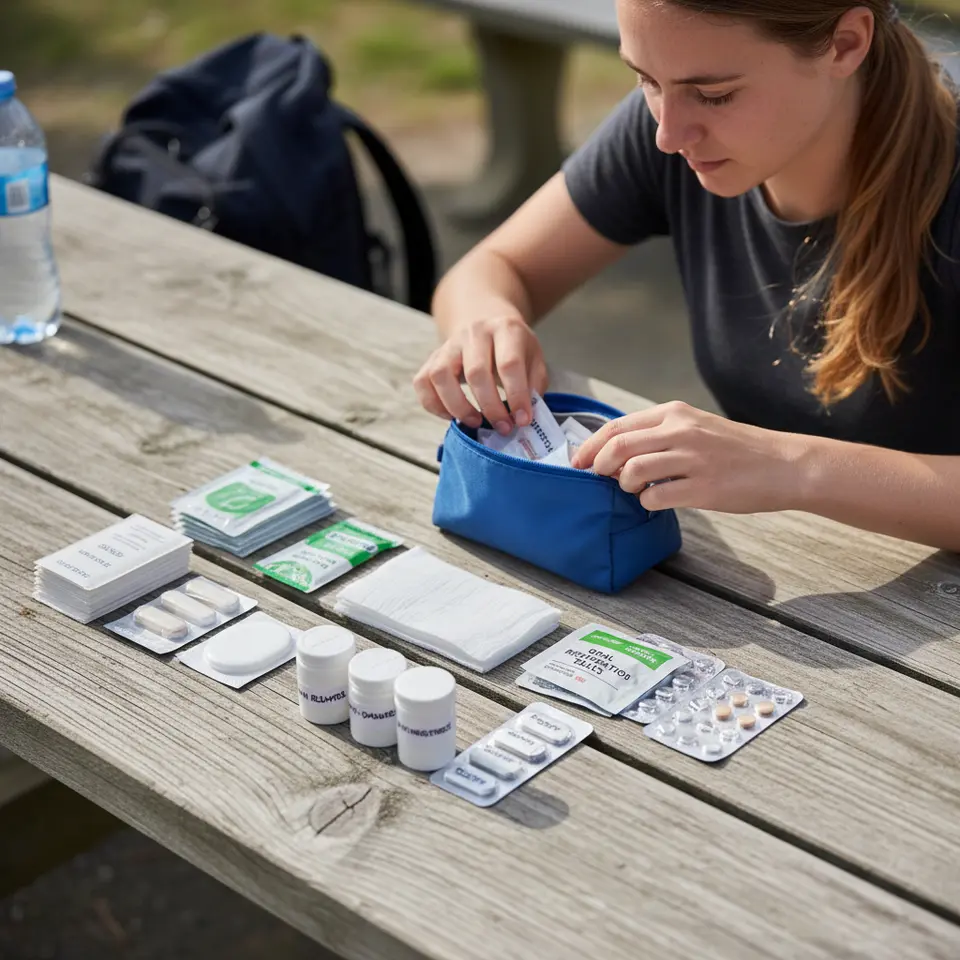
A personal health kit is your first line of defense against common travel discomforts. Instead of overpacking, focus on essentials that cover the most likely situations:
- Adhesive bandages, antiseptic wipes, and sterile gauze for minor cuts and injuries
- Pain relievers, anti-inflammatory tablets, and antihistamines for headaches, inflammation, or allergies
- Anti-diarrheal medications and oral rehydration salts to manage digestive issues and dehydration
- Motion sickness remedies if you plan to travel by car, bus, boat, or plane
Keeping these items in a small, waterproof pouch ensures quick access when needed.
Essential Gear for Safety and Documentation
Travel safety goes beyond health—it also includes protecting your identity, money, and important documents. A smart packing approach reduces risk and improves peace of mind.
- A waterproof document pouch for passports, travel insurance, and emergency contacts
- Anti-theft accessories such as a slash-resistant backpack or money belt for crowded areas
- Backup copies of credit cards, tickets, and e-documents stored separately from originals
This layer of preparation helps you respond quickly if anything is lost or stolen.
Travel Insurance and Financial Protection
No Travel Wellness & Safety Guide is complete without strong travel insurance coverage. It acts as a financial safety net when unexpected issues arise.
Look for policies that include:
- Emergency medical evacuation and repatriation coverage
- Protection for pre-existing medical conditions, if applicable
- Trip cancellation, interruption, or delay reimbursement
- 24/7 multilingual emergency assistance services
To stay prepared, keep both digital and physical copies of your policy. Store digital versions securely in cloud storage and save your insurer’s emergency contact number on your phone for instant access.
Nutrition and Hydration on the Go

Maintaining balanced nutrition and consistent fluid intake underpins sustained energy levels and robust immunity during travel. Disruptions to normal eating patterns can lead to fatigue or digestive distress, so proactive measures are crucial.
Building a Travel-Friendly Meal Strategy
Portion control and nutrient density are your allies when navigating unfamiliar food scenes. Aim for meals that combine:
- Lean proteins such as grilled chicken, beans, or tofu.
- Complex carbohydrates like whole grains, quinoa, or sweet potatoes.
- Fresh produce packed with vitamins and fiber.
Carry portable, healthy snacks—mixed nuts, roasted chickpeas, protein bars, or dried fruit—to bridge gaps between meals. These options help you avoid high-sugar or overly processed convenience foods.
Hydration Best Practices
Dehydration impairs cognitive function and can exacerbate jet lag. In today’s travel milieu, aim for 2–3 liters of water daily, adjusting for climate and physical activity. When water safety is uncertain, a reusable bottle with an integrated filter ensures you can refill securely.
Eating Safely Abroad
If you opt for local street food, choose vendors with high turnover and freshly prepared dishes. Prioritize cooked items and produce you can peel or thoroughly wash. Consult authoritative guidelines from the World Health Organization (WHO) on food safety to reduce the risk of travel-related gastrointestinal issues.
Movement, Fitness, and Recovery Techniques
Prolonged travel can stiffen muscles and dampen circulation, but simple movement routines support flexibility, energy maintenance, and adaptation to new time zones—cornerstones of effective travel wellness.
On-Board and In-Transit Exercises
Set an alarm every 60–90 minutes on long flights or bus rides to stand and perform gentle stretches. Recommended exercises include:
- Seated shoulder rolls and neck rotations to ease tension.
- Leg extensions and ankle circles to stimulate blood flow.
- Standing calf raises and hamstring stretches in aisle spaces.
Portable Fitness Tools
Lightweight resistance bands slip into any suitcase and facilitate strength workouts. Combine them with bodyweight movements—squats, lunges, push-ups, and planks—for a full-body routine that maintains muscle tone.
Morning Yoga and Evening Recovery
A brief yoga flow each morning jump-starts your system. Incorporate sun salutations, gentle twists, and a restorative child’s pose. At day’s end, use foam rollers or massage balls to target tight areas. Improved circulation reduces swelling and encourages restful sleep.
Mental Well-Being, Stress Management, and Sustainable Habits in Travel Wellness & Safety Guide
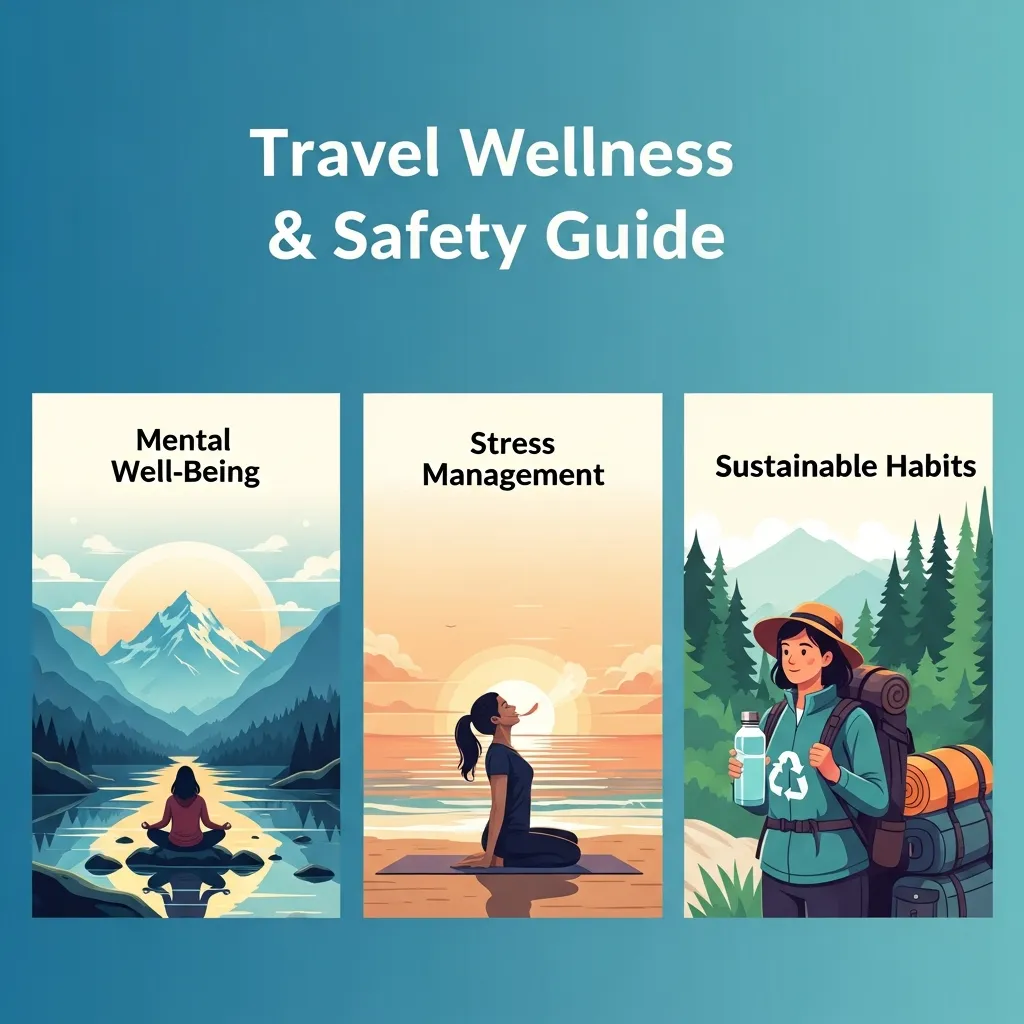
A strong focus on mental well-being is a core part of any Travel Wellness & Safety Guide, as modern travel is not only about physical health but also about emotional balance and sustainable living. When travelers maintain a calm mind, manage stress effectively, and adopt eco-conscious habits, every journey becomes more meaningful, enjoyable, and restorative.
Mindful Practices for Stress Relief
Travel can sometimes feel overwhelming due to long journeys, new environments, and changing routines. A well-structured Travel Wellness & Safety Guide encourages simple mindfulness techniques that can be practiced anywhere to reduce anxiety and improve focus.
Effective methods include:
- Box breathing or the 4-7-8 breathing technique to quickly calm the nervous system and reduce stress levels
- Guided meditation sessions that can be downloaded in advance for use during flights, transit, or quiet moments
- Scheduled digital detox periods, allowing travelers to disconnect from screens and fully engage with their surroundings in today’s digital landscape
- Journaling experiences daily to reflect on emotions, capture memories, and practice gratitude throughout the journey
These practices help travelers stay mentally centered, even in unfamiliar or fast-paced environments.
Building Rest and Recovery Days
An essential principle of a Travel Wellness & Safety Guide is balancing activity with proper rest. Overloading your itinerary can lead to fatigue, irritability, and reduced immunity, which can affect the overall travel experience.
To maintain balance:
- Include slower travel days between busy sightseeing schedules
- Prioritize quality sleep by using earplugs, eye masks, or white noise apps to block out unfamiliar sounds
- Allow the body time to recover after long flights or physically demanding activities
- Maintain consistent sleep routines whenever possible, even across time zones
Proper rest ensures better energy levels, improved mood, and a more enjoyable travel experience overall.
Eco-Friendly Choices That Support Wellness
Sustainable travel habits not only protect the environment but also enhance personal well-being, which is a key aspect of any Travel Wellness & Safety Guide. Eco-conscious decisions often lead to healthier, more authentic travel experiences.
Recommended practices include:
- Choosing walking or cycling instead of motorized transport to stay active and reduce carbon impact
- Using reusable water bottles, utensils, and cloth bags to minimize plastic waste
- Supporting local farmers’ markets for fresh, seasonal, and nutritious food options
- Practicing “leave-no-trace” principles during hikes, beach visits, and outdoor adventures to preserve natural beauty
These choices create a positive impact on both the traveler and the destination.
Conclusion
A complete Travel Wellness & Safety Guide goes beyond physical preparation—it integrates mental health, stress management, and sustainable habits into every stage of travel. By practicing mindfulness, prioritizing rest, and making eco-friendly decisions, travelers can achieve a healthier and more balanced journey. In today’s evolving travel environment, these habits ensure that every trip supports not just exploration, but also long-term well-being, inner peace, and responsible global travel.


Leave a Reply