


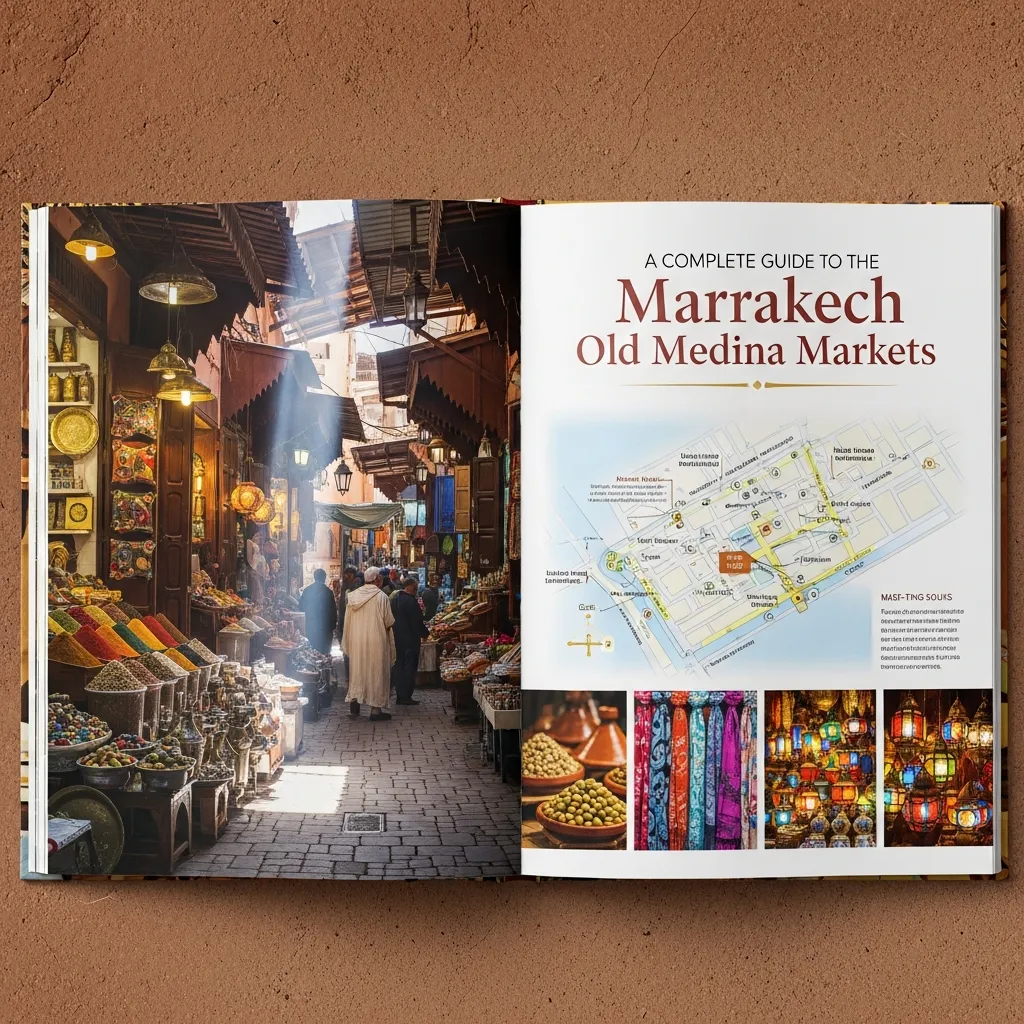
Stepping into the ancient walled center of Morocco’s most famous city is an experience that instantly commands your attention. The air hums with the rhythmic tapping of metalworkers, the urgent calls of vendors, and the hypnotic melodies of street musicians. Here, centuries-old traditions blend seamlessly with the vibrant energy of daily commerce. Navigating this sprawling network of alleyways is essential for anyone wanting to truly understand the local culture.
The history of this bustling hub dates back nearly a thousand years. Founded in the 11th century by the Almoravid dynasty, the walled city quickly became a crucial trading post for caravans traveling across the Sahara Desert. This historical significance is woven into the very fabric of the modern streets. Every brick, archway, and carved wooden door tells a story of empires, trade routes, and cultural exchange.
Walking through the Marrakech old medina markets is a sensory awakening. The scent of freshly ground cumin and sweet mint tea mingles with the earthy aroma of tanned leather. Vibrant towers of saffron and turmeric catch the eye, competing with intricately painted ceramics and shimmering brass lanterns. For visitors, the Marrakech old medina markets are a living museum where you can touch, taste, and take home a piece of Moroccan heritage.
Navigating the Labyrinth: Key Areas of the Souks
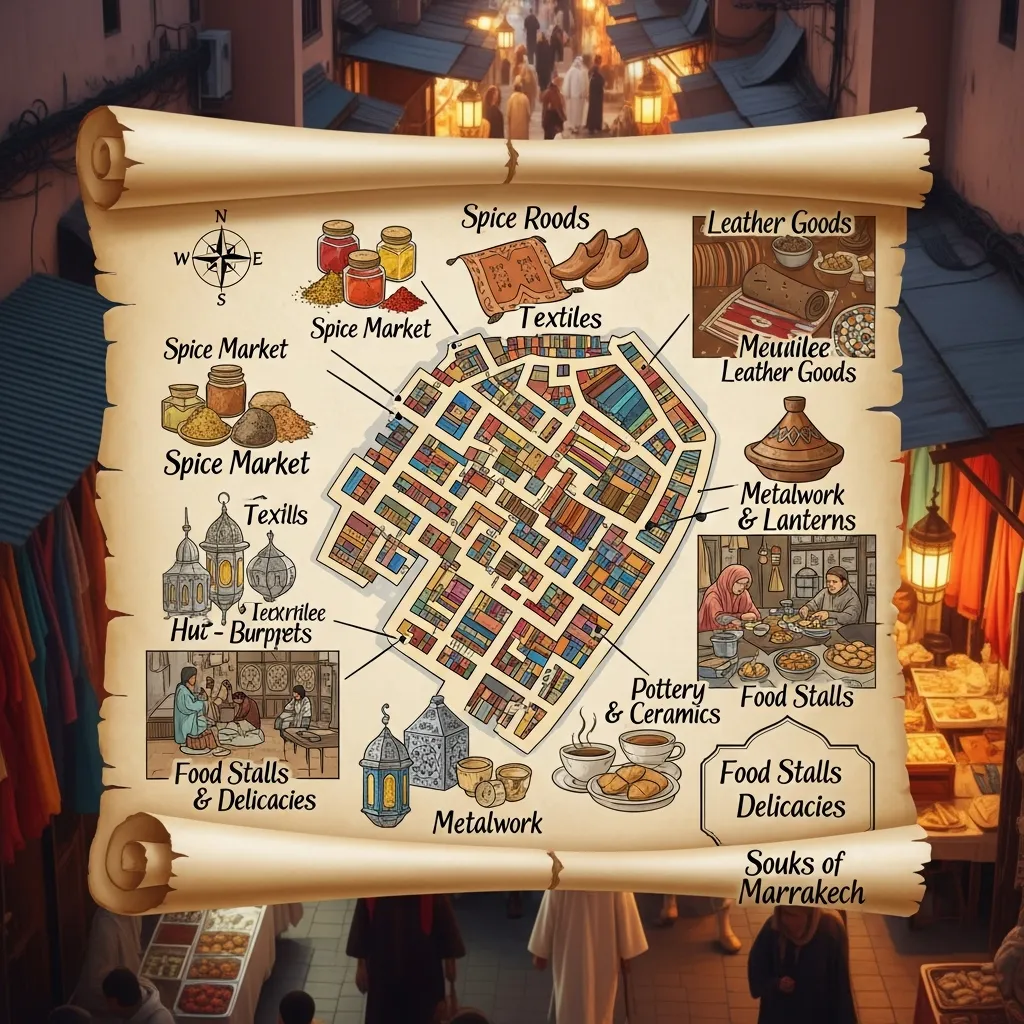
The Marrakech old medina markets are vast and complex, organized roughly by trade. Understanding the layout will help you navigate the winding alleys without feeling completely lost.
Djemaa el-Fna: The Vibrant Heart of the Medina
Every journey into the markets begins or ends at Djemaa el-Fna, the massive public square that anchors the old city. During the day, the square is a wide-open space dotted with fresh orange juice stands, water sellers in traditional fringed hats, and snake charmers. It serves as the main gateway into the deeper, narrower souks.
As the sun sets, Djemaa el-Fna undergoes a dramatic transformation. Plumes of fragrant smoke rise into the night sky as dozens of food stalls set up their grills. The square fills with storytellers, musicians, acrobats, and thousands of hungry locals and tourists. The energy is magnetic, making it one of the most famous public squares on the planet.
Specific Souks and Their Specialties
Branching off from Djemaa el-Fna are the individual souks, each traditionally dedicated to a specific craft.
Souk Semmarine
This is the main artery leading into the markets. It is the widest and most heavily trafficked alley, featuring a mix of general goods, colorful textiles, and large leather shops. It is a great place to get your bearings before venturing into the narrower side streets.
Souk Cherratine
If you are looking for leather, this is your destination. Artisans here craft everything from sturdy travel bags to intricately stamped belts and wallets. The smell of cured leather is unmistakable as you walk through this shaded section.
Souk Smata
Known as the shoe market, Souk Smata is famous for its dazzling display of Moroccan slippers, called babouches. You will find them in every color imaginable, adorned with sequins, tassels, and elaborate embroidery.
Souk des Épices
A dream for culinary enthusiasts, the spice square is relatively calm compared to the rest of the Marrakech old medina markets. Sacks of star anise, cinnamon bark, and the famous ras el hanout spice blend line the walkways. You will also find pure argan oil, rose water, and traditional herbal remedies here.
Souk Haddadine
The rhythmic clanging of hammers against metal announces your arrival at the metalworkers’ souk. Artisans in Souk Haddadine forge iron grilles, copper pots, and the iconic perforated metal lanterns that cast beautiful geometric shadows.
Souk Chouari
The scent of cedarwood fills the air in the carpenters’ market. Skilled craftsmen sit cross-legged in tiny workshops, using traditional hand-powered lathes to carve chess pieces, intricately decorated boxes, and small furniture.
Souk Sebbaghine
The dyers’ souk is one of the most photogenic areas in the Marrakech old medina markets. Skeins of wool and silk dyed in brilliant shades of indigo, saffron, and poppy red hang from bamboo poles overhead, drying in the hot Moroccan sun.
The Art of Bargaining: Tips and Etiquette
Shopping in the Marrakech old medina markets requires a mindset shift. Prices are rarely fixed, and haggling is an expected part of the transaction.
First, understand that bargaining is a social interaction, not a battle. Approach it with a smile and a sense of humor. When a vendor quotes a price, a general rule of thumb is to counteroffer with about one-third to one-half of their initial number. The negotiation will go back and forth until you reach a middle ground.
Using a few local phrases can go a long way. Greeting a vendor with “Salam alaikum” (Peace be upon you) and saying “La, shukran” (No, thank you) shows respect for the culture. If you cannot agree on a price, politely smile and walk away. Often, the vendor will call you back with a better offer. If they do not, you can usually find a similar item at another stall. Only start negotiating if you actually intend to buy the item.
Discovering Unique Treasures: What to Buy
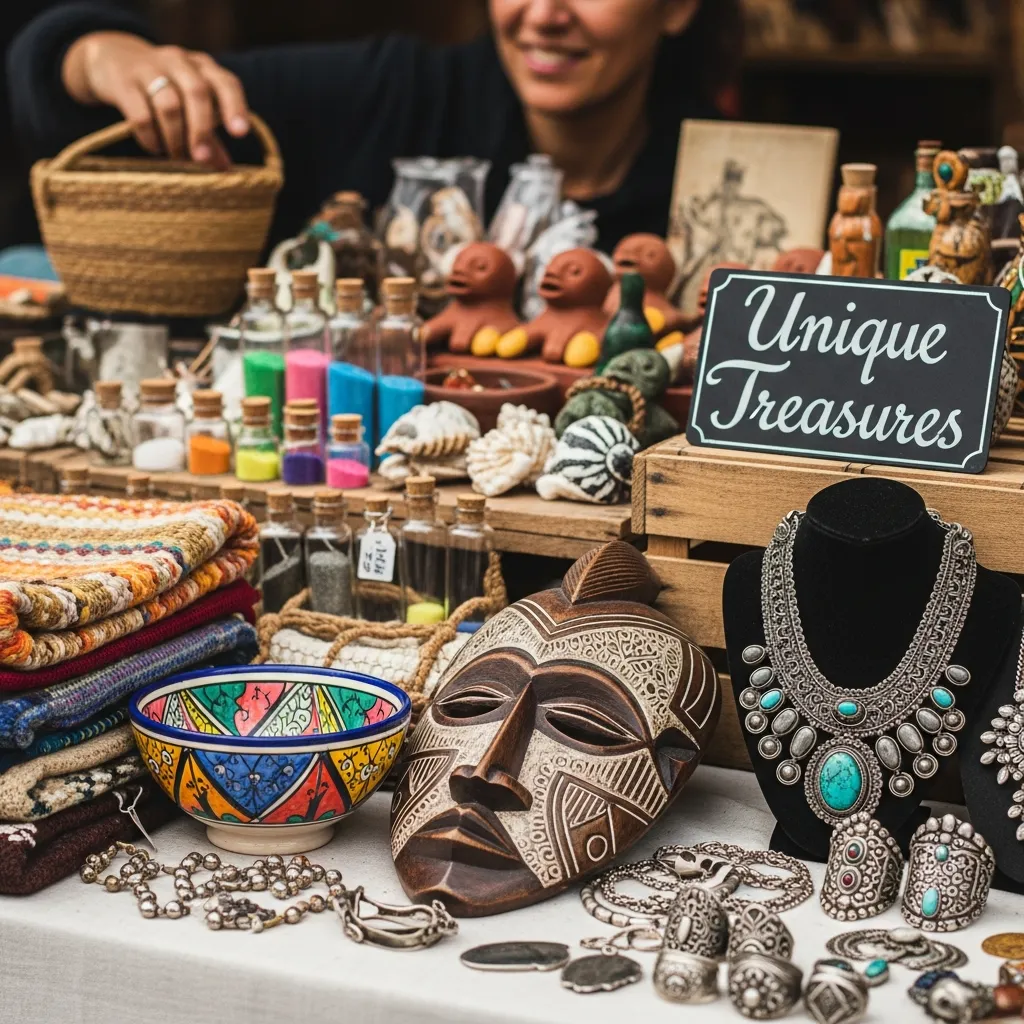
The Marrakech old medina markets are a treasure trove for shoppers seeking unique, handcrafted goods.
Textiles and Carpets
Moroccan rugs are highly sought after worldwide. You will find everything from brightly colored Boucherouite rugs made from recycled fabrics to thick, geometric Beni Ourain wool carpets hand-woven by Berber women.
Leather Goods
The leather produced in the city’s ancient tanneries is transformed into beautiful poufs, sturdy weekender bags, and stylish jackets. Check the stitching and hardware to ensure you are buying a quality piece.
Spices and Culinary Delights
Bring the flavors of Morocco home with you. Fresh saffron is much cheaper here than in Europe or North America. Pick up some ras el hanout (a complex blend of up to 40 spices), preserved lemons, and cured olives.
Ceramics and Pottery
Hand-painted ceramics from Safi and Fez are sold throughout the markets. Look for traditional cone-shaped Tagine pots, ornately patterned bowls, and serving platters in vivid blues, greens, and yellows.
Argan Oil and Beauty Products
Morocco is the only place in the world where argan trees grow natively. Look for cosmetic grade argan oil for your skin and hair, as well as ghassoul clay and black soap used in traditional hammams.
Traditional Clothing and Jewelry
Linen djellabas (flowing robes with pointed hoods) and kaftans make comfortable loungewear. You can also find striking silver Berber jewelry featuring semi-precious stones, enamelwork, and intricate filigree.
Lanterns and Metalwork
A Moroccan brass or copper lantern adds immediate warmth to any home. The metal is pierced by hand to create intricate patterns that project stunning light displays onto your walls and ceilings.
A Taste of Marrakech: Street Food and Local Delicacies
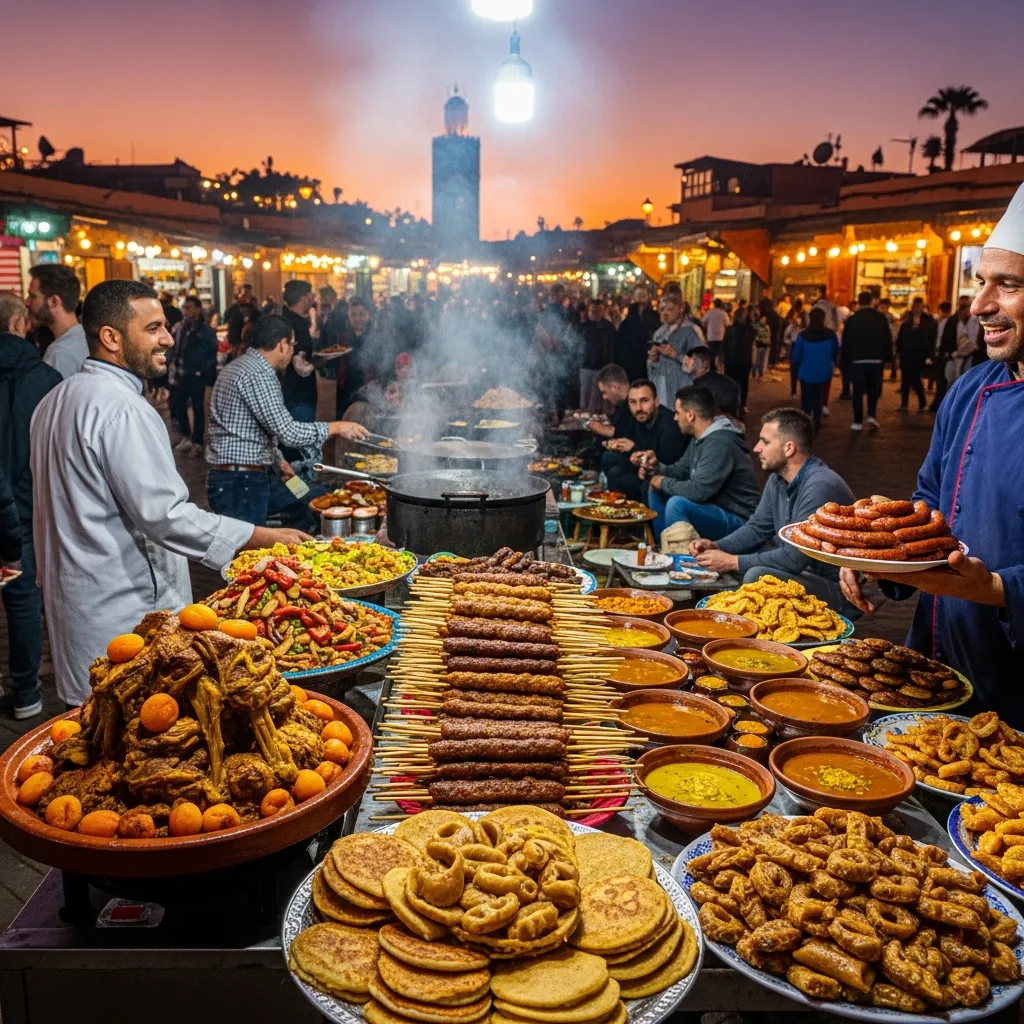
No visit to the Marrakech old medina markets is complete without diving into the local Street Food scene. The food stalls that emerge in Djemaa el-Fna at night offer a feast for the adventurous eater.
One absolute must-try dish is Tanjia. Not to be confused with Tagine, Tanjia is a uniquely Marrakchi dish made of beef or lamb slow-cooked with preserved lemons, garlic, and cumin in a terracotta jug. The jugs are traditionally nestled in the hot ashes of the neighborhood hammam furnaces overnight.
You should also look out for Harira, a rich and comforting tomato, lentil, and chickpea soup often used to break the fast during Ramadan. Maakouda are deep-fried potato cakes that make for a perfect walking snack. For the truly bold, small bowls of peppery snail soup are a local favorite. Finish your meal with sticky, honey-drenched Moroccan pastries like Chebakia or Gazelle Horns.
The Ritual of Moroccan Mint Tea
Tea is far more than just a beverage in Morocco; it is a symbol of hospitality, friendship, and tradition. If you spend enough time shopping in the Marrakech old medina markets, a vendor will likely invite you to share a glass.
The preparation is an art form. Gunpowder green tea is steeped with generous handfuls of fresh mint leaves and a significant amount of sugar. The server pours the tea from high above the glass to create a foamy crown on the surface, which is said to improve the flavor and texture.
While Tea Ceremony Culture Worldwide varies wildly—from the quiet precision of Japanese matcha rituals to the robust black tea traditions of England—the Moroccan mint tea experience is uniquely social. Accepting a glass of tea is a wonderful way to build rapport with locals, take a break from the bustling crowds, and immerse yourself in the daily rhythm of the city.
Practical Tips for Visitors
To make the most of your time in the Marrakech old medina markets, a little preparation goes a long way.
The best time to visit is early in the morning when the alleys are cooler and less crowded, or late in the afternoon as the light softens and the evening energy begins to build. Midday can be overwhelmingly hot, especially in the summer months.
Morocco is a conservative country, so dress modestly. Both men and women should wear clothing that covers their shoulders and knees. This shows respect for local customs and will help you avoid unwanted attention.
Stay aware of your surroundings. The alleys are shared by pedestrians, donkeys pulling heavy carts, and speeding motorbikes. When you hear “Balak!” (Watch out!), step to the right side of the alley immediately. Keep your valuables secure, as pickpockets can operate in crowded areas.
Inside the old walls, the markets are entirely pedestrianized. You will need to walk, so wear comfortable, flat shoes. Bring plenty of small denomination Moroccan Dirhams, as most small stalls do not accept credit cards and struggle to make change for large bills.
Embracing the Magic of the Medina
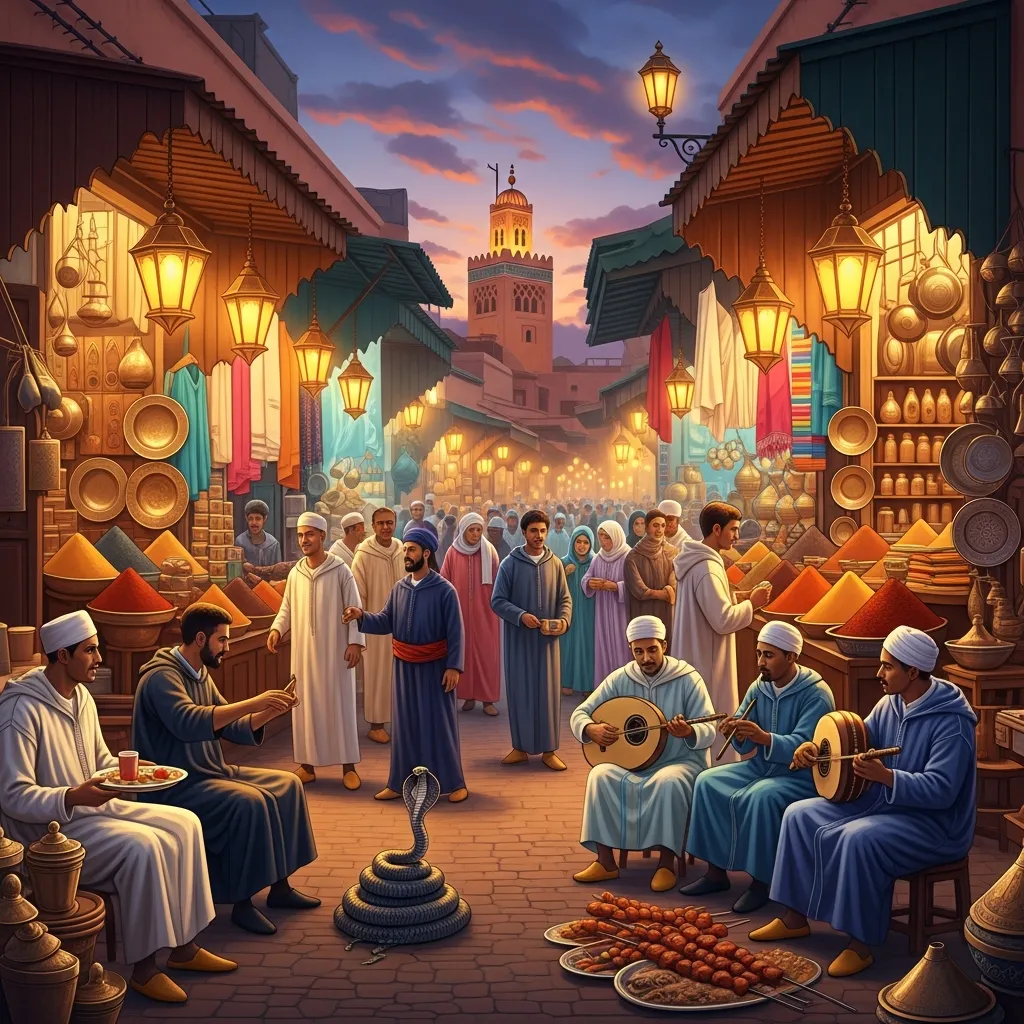
The Marrakech old medina markets are a beautiful, chaotic, and utterly mesmerizing destination. Getting lost in the maze of the souks is not a mistake; it is the best way to experience the city. You will stumble upon quiet courtyards, hidden artisan workshops, and friendly locals eager to share their culture.
Leave your map in your pocket, follow your senses, and let the labyrinth guide you. Whether you leave with a hand-woven carpet, a bag of fragrant spices, or simply the memory of a shared glass of mint tea, the magic of the medina will stay with you long after you have returned home.
Frequently Asked Questions (FAQ)
1. What are the opening hours of the Marrakech old medina markets?
Most shops in the souks open around 9:30 AM and close around 7:00 PM or 8:00 PM. Many stalls close on Friday afternoons for prayers. The food stalls in Djemaa el-Fna start setting up around 5:00 PM and stay open past midnight.
2. Is bargaining expected in the Marrakech old medina markets?
Yes, haggling is an integral part of the shopping experience for almost all goods, except for food and items in fixed-price government cooperatives.
3. What is Djemaa el-Fna famous for?
It is the main square of Marrakech, renowned for its lively atmosphere featuring snake charmers, storytellers, musicians by day, and a massive open-air Street Food market by night.
4. What should I wear when visiting the markets?
Dress modestly out of respect for the local Islamic culture. Lightweight, loose-fitting clothing that covers your shoulders and knees is ideal. Comfortable walking shoes are a must.
5. Is it safe to eat street food in the Marrakech old medina markets?
Generally, yes. The food stalls in Djemaa el-Fna have high turnover, meaning the food is fresh. Stick to busy stalls where you can see the food being cooked fresh in front of you, and only drink bottled water.
6. How do I get around the Marrakech old medina markets?
The souks are pedestrian-only zones, though you will share the alleys with motorbikes, bicycles, and donkey carts. Walking is the only way to explore the markets.
7. What are some unique souvenirs to buy?
Popular souvenirs include Berber carpets, leather babouches (slippers), spices like ras el hanout, argan oil, hand-painted ceramics, and intricate metal lanterns.
8. Can I pay with credit card?
Larger carpet stores and high-end boutiques will accept credit cards, but the vast majority of small stalls in the Marrakech old medina markets operate on a cash-only basis. Always carry Moroccan Dirhams.
9. What language is spoken in the markets?
Moroccan Arabic (Darija) and Berber are the local languages. However, French is widely spoken, and most vendors speak enough English, Spanish, or Italian to negotiate prices.
10. Are there public restrooms available?
Public restrooms are scarce and often require a small fee. Your best option is to buy a drink at a café or restaurant in or around Djemaa el-Fna and use their facilities.
11. Can I take photos in the markets?
You can take photos of the stalls and architecture, but always ask permission before taking a photo of a person. In Djemaa el-Fna, performers and snake charmers will expect a tip if you take their picture.
12. Are the markets wheelchair accessible?
Navigating the Marrakech old medina markets in a wheelchair can be highly challenging due to uneven cobblestones, very narrow alleys, crowded conditions, and occasional steps.



Leave a Reply