



We spend most of our waking hours glued to screens, making Digital Detox Travel a refreshing and necessary escape. By encouraging travelers to disconnect from their devices, this approach helps them reconnect with themselves and their surroundings. This post explores the philosophy, benefits, and practical tips for embracing mindful travel, reducing screen time, and living simply while exploring the world.
Screens dictate almost every aspect of our daily routines. We wake up to smartphone alarms, work on laptops, and wind down with streaming services. This constant connectivity often leaves us feeling drained, anxious, and disconnected from the physical world.
Digital Detox Travel offers a powerful antidote to this modern dilemma. It involves intentionally stepping away from digital devices during your trip to focus entirely on the present moment. Rather than viewing the world through a camera lens or a social media feed, you engage with your environment using all five senses.
The growing appeal of mindful travel proves that people are desperate for a break from their notifications. Travelers are realizing that true relaxation requires more than just a change of scenery; it requires a change of habits.
Embracing screen time reduction on your next vacation can profoundly impact your well-being. By swapping virtual interactions for real-world experiences, you open the door to deeper connections, clearer thinking, and a renewed appreciation for life’s simple pleasures.
The Philosophy Behind Digital Detox Travel

Digital Detox Travel is rooted in the idea of being fully present. It shifts the focus from capturing the perfect photo to genuinely experiencing a destination.
Embracing slow travel like a local
Rushing from one tourist trap to another leaves little room for authenticity. When you embrace slow travel like a local, you allow yourself the time to truly absorb a culture.
Deeper cultural immersion
Without a smartphone constantly directing your attention, you are forced to look up and engage. You might find yourself striking up a conversation with a shop owner or stumbling upon a hidden neighborhood cafe. These spontaneous moments create a much richer understanding of the local way of life.
Fostering genuine connections
Screens often act as a barrier between us and the people around us. Digital Detox Travel strips away that barrier. Whether you are chatting with a fellow traveler on a train or sharing a meal with a local family, these interactions become more meaningful when you are not distracted by your phone buzzing in your pocket.
The simple living philosophy on the road
Traveling without digital tethers naturally aligns with a simple living philosophy. It teaches you that you need very little to be happy and fulfilled.
Minimalism in packing and experiences
When you stop relying on gadgets, your suitcase gets lighter. You realize you don’t need a tablet, a laptop, and a smartwatch to have a good time. This physical minimalism translates to your itinerary as well. Instead of packing your day with endless activities, you learn to appreciate a quiet afternoon sitting in a park.
Prioritizing presence over possessions
Experiences always outlast material items in our memories. Digital Detox Travel emphasizes the value of being exactly where you are, rather than worrying about documenting the trip to show others back home.
The Benefits of a Digital Detox Journey
Putting away your devices while traveling yields surprising and immediate benefits for your mind, body, and relationships.
Mental and emotional well-being
Constant notifications keep our brains in a state of high alert. Unplugging gives your nervous system a much-needed break.
Reduced stress and anxiety
Without the pressure to respond to emails or keep up with news feeds, your stress levels naturally drop. You stop comparing your vacation to the curated lives of others online, allowing you to simply enjoy your own experience.
Improved focus and clarity
Digital Detox Travel helps clear the mental fog caused by information overload. You will likely find your attention span lengthening, allowing you to read a book for hours or sit quietly without feeling the urge to check a screen.
Enhanced creativity
Boredom is the birthplace of creativity. When you remove digital distractions, your mind is free to wander. Many people find that they return from a digital detox with fresh ideas and new perspectives on their personal and professional lives.
Physical health advantages
Our digital habits take a physical toll, from eye strain to poor posture. A screen-free vacation helps reverse these effects.
Better sleep
The blue light emitted by screens disrupts our natural sleep cycles. By eliminating device usage, especially in the evening, travelers often report falling asleep faster and experiencing much deeper rest.
More outdoor activity
Without a screen to entertain you, you are far more likely to head outside. Whether it is hiking a mountain, swimming in the ocean, or simply walking around a new city, Digital Detox Travel naturally encourages a more active lifestyle.
Reconnecting with your surroundings
When your eyes are not glued to a tiny glowing rectangle, the world suddenly becomes much more vibrant.
Heightened sensory experiences
Mindful travel heightens your senses. You begin to notice the intricate architecture of a building, the smell of street food, and the sounds of local wildlife. These sensory details create lasting memories that a photograph simply cannot capture.
Appreciation for natural beauty
Nature demands our full attention. When you remove technology, you can truly appreciate a sunset, a quiet forest, or a vast ocean without feeling the need to filter or share it immediately.
Strengthening personal relationships
If you are traveling with a partner, friends, or family, a digital detox can completely transform your dynamic. You engage in deeper conversations, share more laughs, and create inside jokes, all because you are giving each other your undivided attention.
Planning Your Digital Detox Travel Adventure
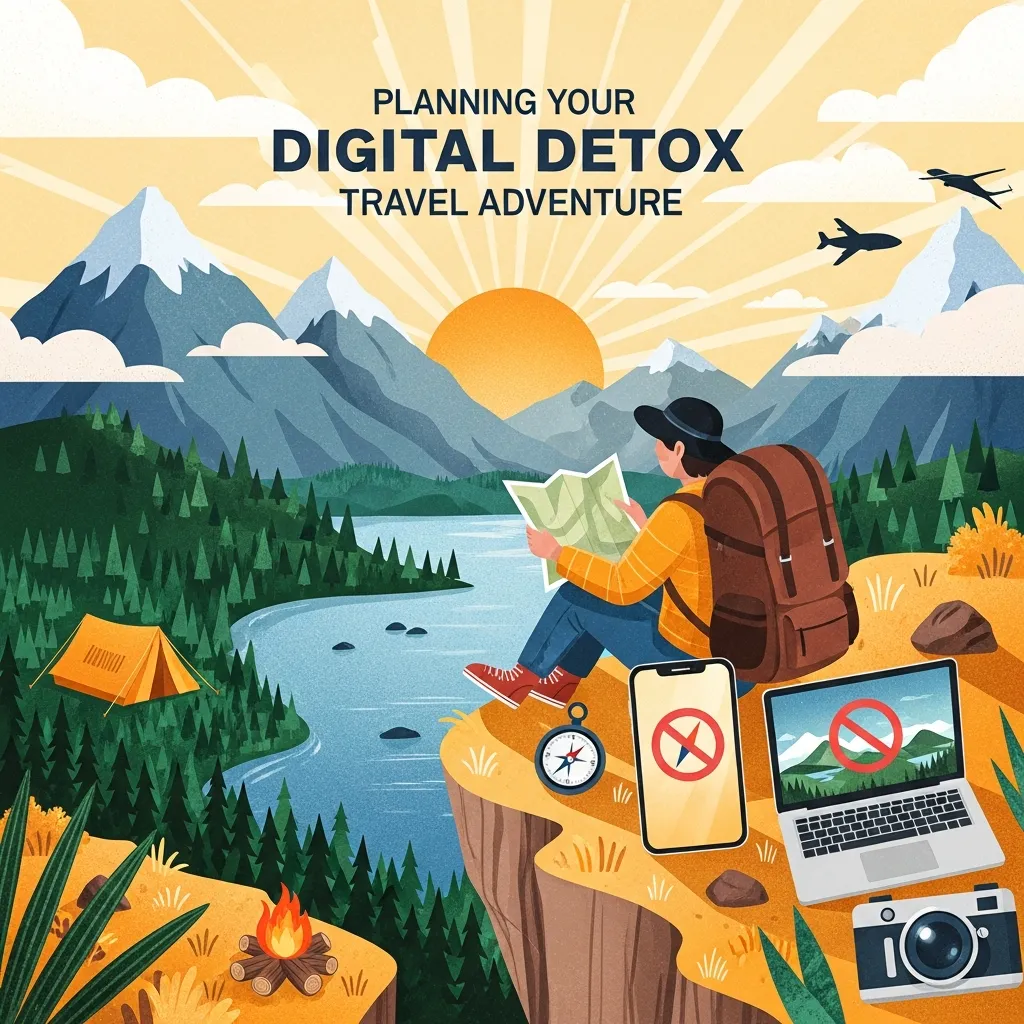
A successful screen-free trip requires a bit of upfront planning. You cannot simply leave your phone at home without preparing for the logistics.
Setting intentions and boundaries
Before you leave, decide exactly what your detox will look like.
Defining your digital limits
Will you leave your smartphone at home entirely? Or will you bring it for emergencies but keep it turned off in your bag? Determine your rules ahead of time. Some travelers opt for a “dumbphone” that can only make calls, while others allow 15 minutes of screen time per day to check in with family.
Communicating your detox to others
Tell your family, friends, and colleagues about your plans. Let them know you will be unreachable and provide them with an alternative way to contact you or your hotel in case of a true emergency.
Choosing the right destination for Digital Detox Travel
Where you go heavily influences how easy it is to unplug.
Remote and nature-rich locations
National parks, secluded cabins, and remote islands are ideal. When there is no Wi-Fi or cellular service available, the choice to disconnect is made for you.
Destinations with limited connectivity
Look for places that actively discourage digital use. Many rural towns and eco-lodges lack the infrastructure for high-speed internet, making them perfect for a digital detox.
Retreats and dedicated detox programs
If you struggle to hold yourself accountable, consider booking a specific wellness retreat. These programs often confiscate your devices upon arrival and fill your days with yoga, meditation, and group activities.
Practical tips for preparing to unplug
Navigating the world without a smartphone might seem daunting, but humans did it successfully for centuries.
Informing work and personal contacts
Set a clear out-of-office email responder stating that you will have zero access to your inbox. Delegate urgent tasks to a colleague before you depart.
Downloading essential information offline
Print out your flight itineraries, hotel reservations, and emergency contact numbers. Keep these physical copies in a waterproof folder in your day bag.
Packing analog alternatives
Bring physical books, a journal, pens, and a deck of cards. Purchase a paper map of your destination. Navigating by map forces you to interact with your surroundings and ask locals for directions.
Managing expectations
The first few days might feel uncomfortable. You will likely reach for a phone that isn’t there. Acknowledge that this withdrawal is normal and trust that it will pass.
Embracing the Experience: Living in the Moment
Once you arrive at your destination, the real work—and play—begins.
Engaging in analog activities
Fill the void left by your phone with activities that nourish your mind and soul.
Journaling and reflection
Writing by hand slows down your thoughts. Take time each evening to reflect on what you saw, tasted, and felt that day.
Photography (non-digital where possible)
If you love taking photos, consider bringing a disposable camera or an instant Polaroid. Because you have a limited number of shots, you will be much more intentional about what you choose to photograph.
Reading and creative pursuits
Pack that novel you have been meaning to read for months. Bring a sketchbook and try drawing the landscape, even if you are not a professional artist.
Connecting with locals and fellow travelers
Without the safety net of Google Translate or digital maps, you must rely on human interaction. Ask the hotel clerk for restaurant recommendations instead of looking at online reviews. These small interactions often lead to the most memorable parts of your trip.
Practicing mindfulness and presence
Mindful travel is about grounding yourself in the current moment.
Daily meditation or quiet reflection
Start your morning with ten minutes of silence. Focus on your breathing and set a positive intention for the day ahead.
Savouring meals and experiences
Eat your meals slowly. Notice the texture and flavor of the local cuisine. Resist the urge to rush through an experience just to get to the next item on your itinerary.
Overcoming withdrawal symptoms and staying committed
When the urge to check your email strikes, take a deep breath. Remind yourself why you chose to embark on this Digital Detox Travel experience. Go for a walk, talk to your travel companion, or simply observe the people around you until the urge passes.
Sustainable Travel Guide: Integrating Detox with Responsibility
A true digital detox often goes hand-in-hand with sustainable practices. When we pay closer attention to our environment, we naturally want to protect it.
Eco-friendly travel choices
Use your newfound awareness to make better decisions for the planet.
Reducing your carbon footprint
Opt for public transportation, walk, or rent a bicycle. Not only are these methods better for the environment, but they also allow you to experience a destination at a slower, more intimate pace.
Supporting local and ethical businesses
Rather than dining at international chains, spend your money at locally-owned restaurants and shops. This ensures your tourism dollars directly benefit the community you are visiting.
Respecting local cultures and environments
A good Sustainable Travel Guide always emphasizes respect. When you are not distracted by a screen, it is easier to read social cues, dress appropriately, and honor local customs.
Leaving a positive impact
Leave every place better than you found it. Pick up trash on the beach, be mindful of your water usage, and treat the locals with kindness and gratitude.
Returning Home: Maintaining the Digital Balance
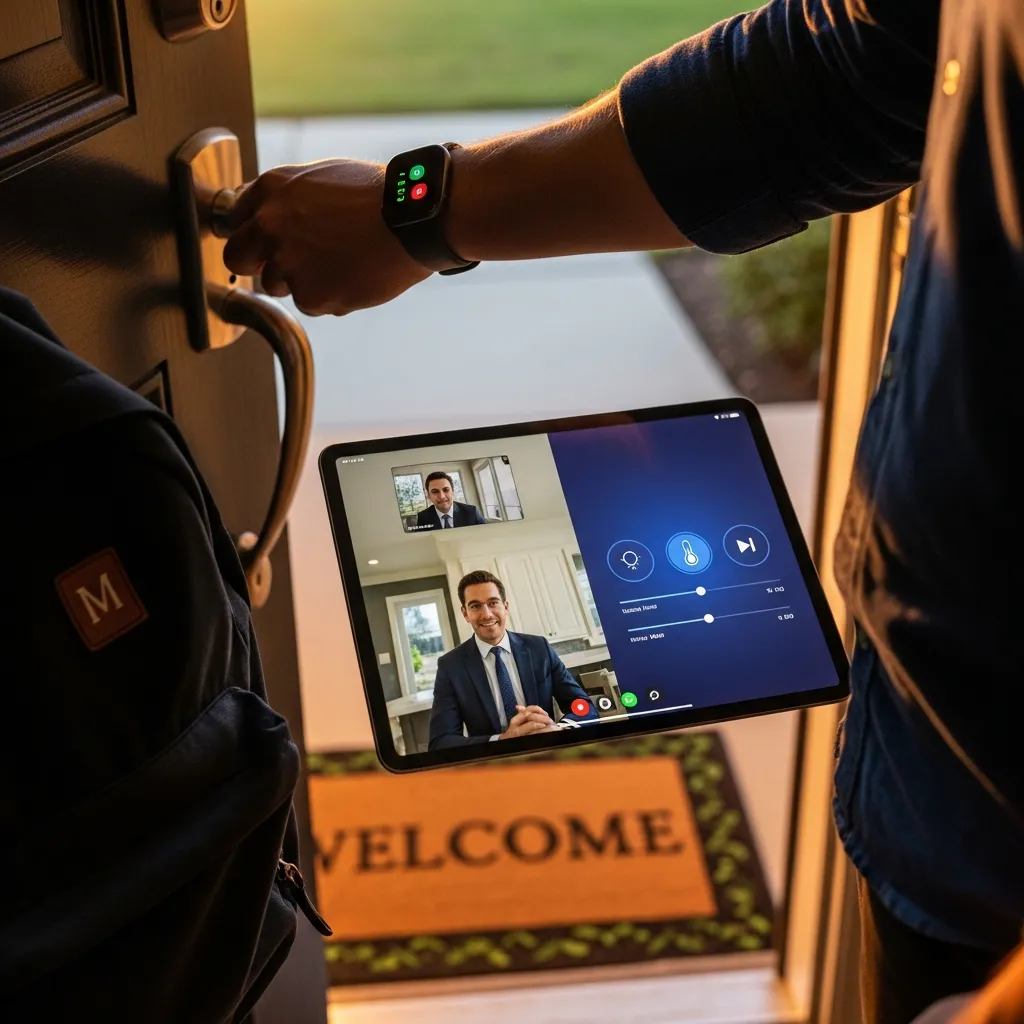
The real test of Digital Detox Travel comes when your vacation ends.
Integrating lessons learned into daily life
Reflect on how you felt during your screen-free time. If you slept better, felt less anxious, and enjoyed deeper conversations, find ways to replicate those conditions at home.
Strategies for long-term screen time reduction
You do not have to throw away your smartphone screen time reduction , but you can set healthier boundaries. Establish tech-free zones in your house, like the bedroom or the dining table. Turn off non-essential push notifications to stop your phone from demanding your attention.
Continuing mindful travel practices
Carry the spirit of your trip into your everyday life. Take a walk in your own neighborhood without your phone. Visit a local coffee shop and simply sit and observe, practicing the same presence you felt on the road.
The Transformative Power of Unplugging
Digital Detox Travel is much more than a trendy vacation style; it is a vital reset for our overstimulated minds. By deliberately choosing to unplug, you unlock the ability to truly see, feel, and experience the world around you. You replace endless scrolling with genuine human connection, and virtual validation with quiet self-reflection.
The next time you plan a getaway, challenge yourself to leave the charger behind. You might just discover that the best way to recharge your own batteries is to let your devices run out of theirs.
Digital Detox Travel – Frequently Asked Questions
1. What exactly is Digital Detox Travel?
Digital Detox Travel is a type of trip where you intentionally disconnect from digital devices like smartphones, laptops, and tablets. Instead of screen time, you focus on real-world experiences, nature, and being fully present in the moment.
2. How long should a Digital Detox Travel trip be?
A Digital Detox Travel experience can start even with a weekend getaway, which helps refresh your mind. However, 5–7 days is ideal because it gives you enough time to adjust, reduce screen dependency, and truly relax into a slower lifestyle.
3. What are the main benefits of Digital Detox Travel?
The key benefits of Digital Detox Travel include reduced stress, improved sleep quality, better focus, deeper mindfulness, and stronger connections with travel companions. It also helps you enjoy your destination more naturally without distractions.
4. Can I still use my phone for emergencies during Digital Detox Travel?
Yes, during Digital Detox Travel, most people keep a phone for emergencies only. The device is usually switched off or stored away and used only when necessary, ensuring safety without constant digital distraction.
5. How do I prepare for Digital Detox Travel without a smartphone?
Preparing for Digital Detox Travel involves printing tickets and booking confirmations, carrying a physical map, and planning routes in advance. You can also rely on locals for directions, which often creates more meaningful travel experiences.
6. What are good destinations for Digital Detox Travel?
Ideal Digital Detox Travel destinations include national parks, remote villages, mountain cabins, beach retreats, and wellness resorts. These places often have limited connectivity, helping you naturally unplug from digital distractions.
7. Is Digital Detox Travel safe?
Yes, Digital Detox Travel is generally safe when properly planned. Always share your itinerary with someone, keep emergency contacts written down, and know local emergency services before traveling.
8. What if my job requires me to stay online?
If full Digital Detox Travel is not possible, set strict boundaries. For example, check work messages only once a day for a short time and keep devices locked away for the rest of your trip to maintain balance.
9. How do I keep kids engaged during Digital Detox Travel?
During Digital Detox Travel, children can stay engaged with board games, books, art supplies, and outdoor activities like hiking, swimming, or scavenger hunts. This helps them stay active and connected to real-world experiences.
10. Do I need expensive gear for Digital Detox Travel?
No, Digital Detox Travel does not require expensive equipment. A notebook, pen, comfortable clothing, and a basic map are often enough to enjoy a meaningful and simple travel experience.
11. How does simple living relate to Digital Detox Travel?
Simple living is a core idea behind Digital Detox Travel. It encourages you to focus on experiences instead of possessions, travel lighter, avoid unnecessary planning, and enjoy quiet, meaningful moments.
12. Can I take a camera during Digital Detox Travel?
Yes, during Digital Detox Travel, you can use a dedicated camera or even a film camera. This allows you to capture memories without being pulled into notifications, apps, or social media distractions.



Leave a Reply