


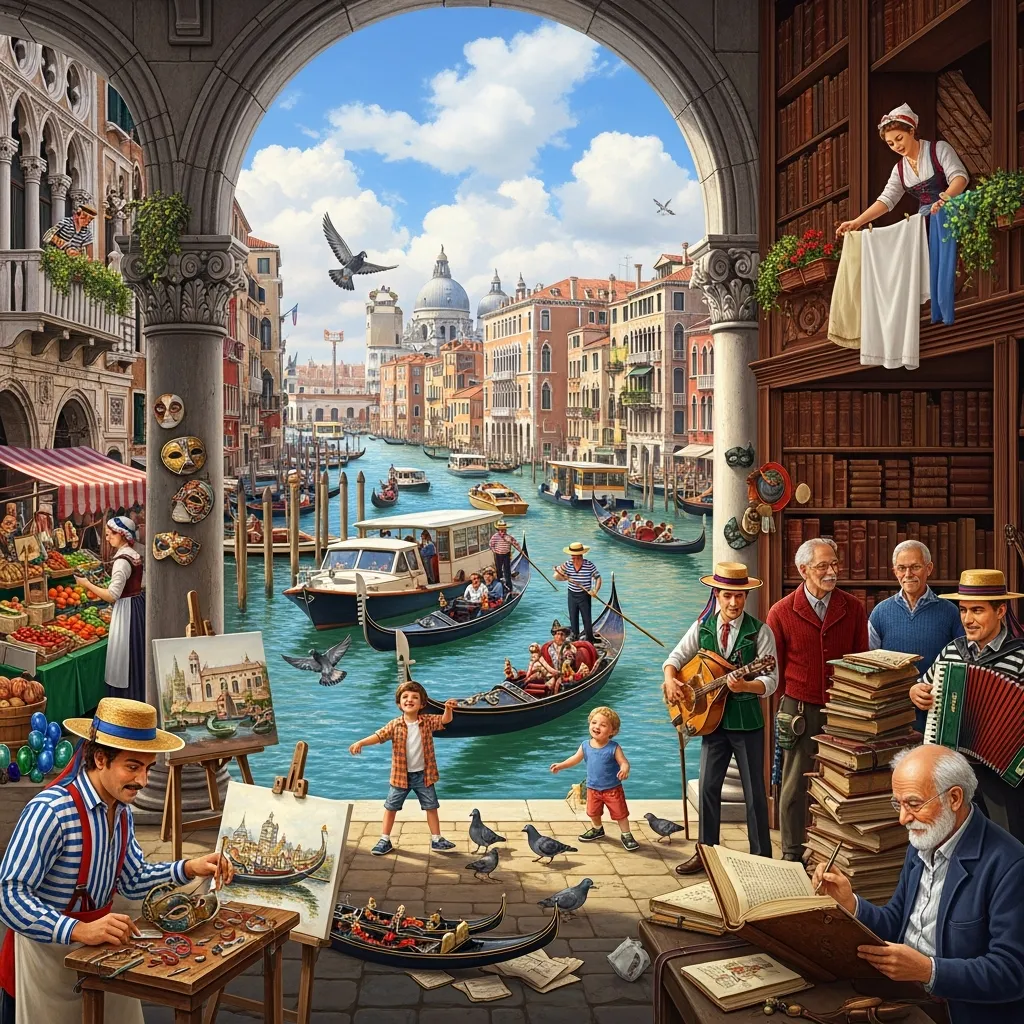
Venice cultural canals & traditions reveal a city where waterways, rituals, craftsmanship, and neighborhood memory still shape daily life with rare emotional depth and lasting cultural value.
Venice is one of the few cities in the world where environment and identity are so tightly fused that you cannot understand one without the other. Venice cultural canals & traditions are not just a travel topic; they are the living framework of the city’s rhythm, habits, and cultural memory. The canals guide movement, the squares guide social life, and the festivals guide seasonal emotion. Venice cultural canals & traditions also help explain why the city feels intimate even when it is full of visitors.
What makes the city remarkable is that everyday life still reflects older patterns of adaptation. Residents continue to use boats, bridges, local markets, and neighborhood routines in ways that keep the city functional and meaningful. This living heritage gives shape to that continuity, turning practical choices into cultural expression.
1. Why Venice feels culturally singular
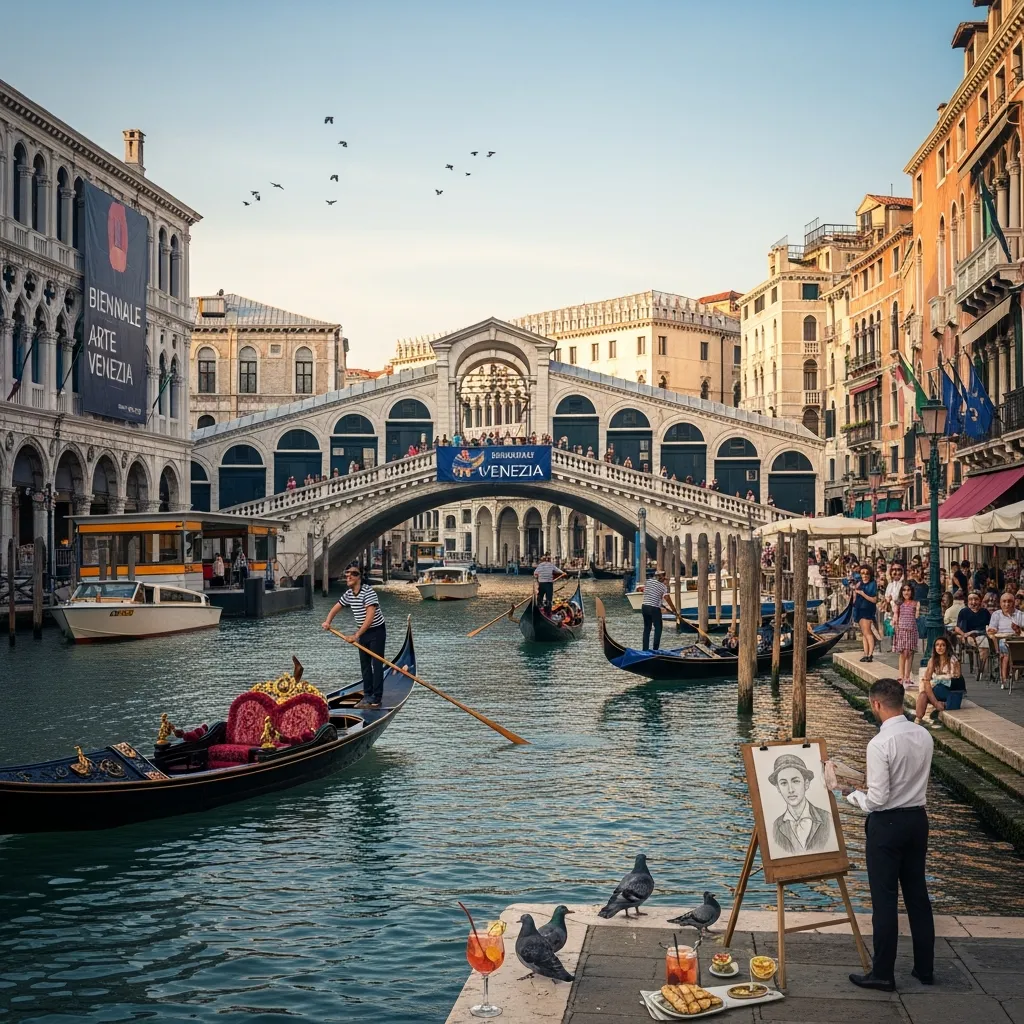
The city feels unlike anywhere else because water is not decoration here; it is the organizing principle of urban life. Venice cultural canals & traditions begin with this reality. Canals act as roads, meeting points, delivery routes, and visual anchors. They also shape how people relate to distance, time, and community. In most cities, a street separates private life from public life. In Venice, the canal often blurs that line.
This creates a slower, more observant way of living. People pause to cross bridges, listen for boats, and adapt to changing conditions. Venice cultural canals & traditions are preserved through that constant adjustment. They show that culture is not only something written in museums but something repeated in motion, greeting, commerce, and routine.
The emotional side of place
Visitors often feel a strong emotional response because the city seems both beautiful and vulnerable. This canal culture makes that feeling understandable. The same canals that carry daily life also remind people that the city requires care. That mixture of grace and fragility gives Venice its unforgettable power.
2. The canal system as cultural infrastructure
The canals are the city’s arteries, but they are also symbols of adaptation. Venice cultural canals & traditions exist because the city learned to transform a wet landscape into a functioning urban world. Boats deliver supplies, connect islands, and support services that would be impossible in a vehicle-centered city. Bridges, meanwhile, become shared thresholds where residents pass one another constantly.
| Cultural element | Why it matters |
|---|---|
| Canals | Movement, logistics, and identity |
| Bridges | Connection between neighborhoods |
| Boats | Daily transport and tradition |
| Squares | Community gathering and conversation |
| Churches | Religious and civic memory |
| Markets | Food, routine, and social exchange |
This structure shows how the canal-centered city is not built from isolated traditions. These elements are embedded in transport, architecture, and public behavior. Without the canals, the city’s social form would change completely.
3. Festivals that shape civic memory
Public festivals are one of the strongest expressions of local identity. Venice cultural canals & traditions come alive during these moments because the city turns into a shared stage. Processions, boat parades, masks, music, and religious observances all contribute to a collective mood that blends devotion, spectacle, and memory. Venice cultural canals & traditions are especially visible during events such as Carnival and the Festa del Redentore, when the water itself becomes part of the celebration.
Festivals matter because they preserve continuity. When people return each year to familiar rituals, they reinforce belonging. This heritage survives in this repetition. The point is not merely entertainment; the point is to renew a social bond between residents, history, and place.
Why celebration matters more than spectacle
A visitor may admire costumes and fireworks, but the deeper meaning is communal. Venice cultural canals & traditions show how civic life can remain emotionally alive through repeated gestures that connect generations.
4. Craftsmanship and inherited skill
Artisanship is another essential layer of local identity. Glassmaking, lace-making, boat construction, and decorative work all reflect traditions that rely on patience and precision. Venice cultural canals & traditions are preserved by people who treat technique as heritage. Skills are passed down through families and workshops, often through observation and repetition rather than formal instruction.
These crafts are important because they connect labor with identity. A handmade object is not only useful or beautiful; it also carries memory. Venice cultural canals & traditions live through the hands of artisans who understand that making something well is a form of cultural responsibility. In this sense, craft is not separate from history; it is one of the ways history remains visible.
Heritage in motion
Craft traditions also remind us that the city is not frozen. These practices continue to evolve as artisans respond to modern needs while protecting older methods.
5. Daily rituals and neighborhood behavior
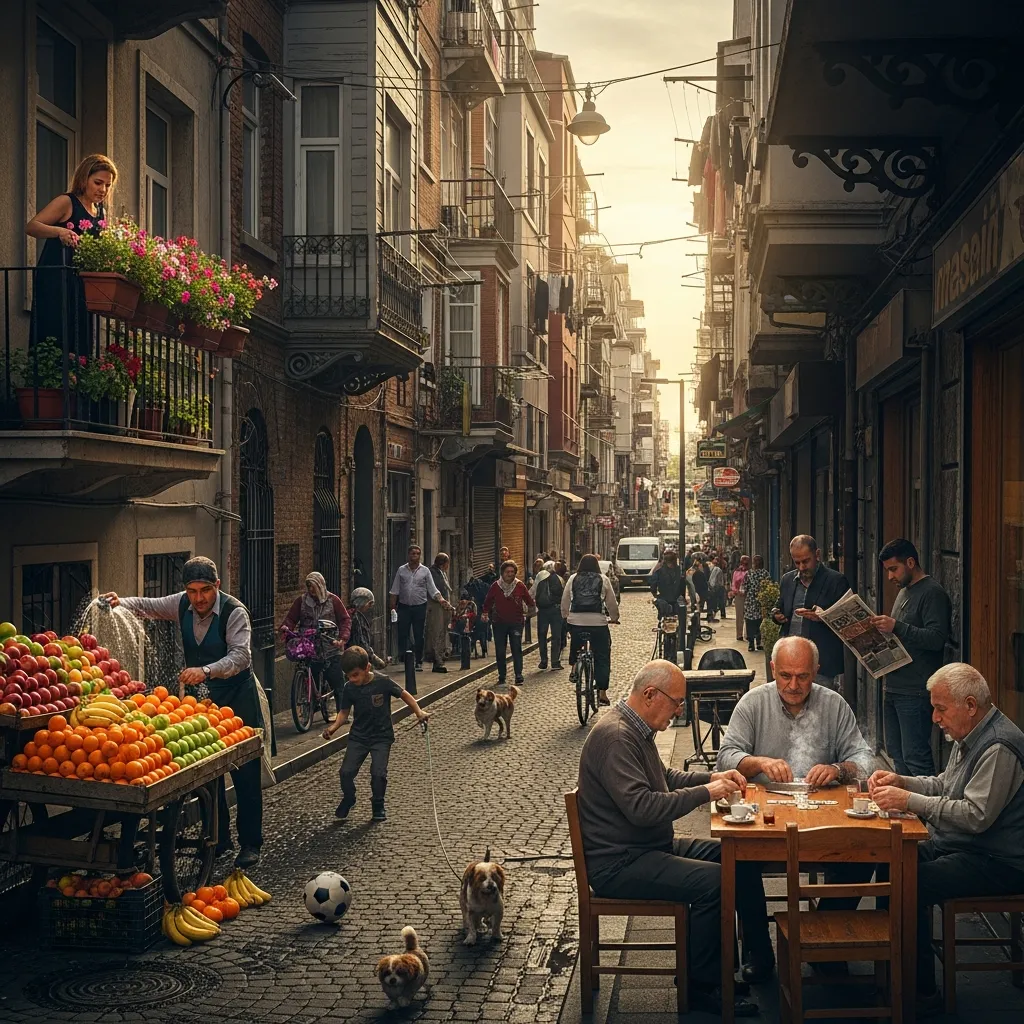
Local routine reveals as much about culture as festivals do. Morning errands, short conversations on bridges, visits to cafés, market shopping, and evening strolls all contribute to the city’s social fabric. Venice cultural canals & traditions are strongest when seen in these ordinary moments. They show how a city can remain culturally rich without constantly performing itself for outsiders.
There is a certain etiquette to daily life. People move with awareness, respect limited space, and understand that the city works best when everyone shares it carefully. Venice cultural canals & traditions are protected when this etiquette survives. That is why neighborhood behavior matters so much. It keeps the city human-scale even when tourism is intense.
A slower rhythm of life
The pace of the city encourages attention. Venice cultural canals & traditions make sense of that pace by showing that slowness is not weakness; it is a way of preserving balance.
6. Food, markets, and shared tables
Food culture is one of the clearest ways to understand place. Seafood, seasonal vegetables, polenta, rice dishes, pastries, and simple local preparations all reflect the lagoon environment and the city’s trading past. Venice cultural canals & traditions are visible in the way meals are selected, cooked, and shared. Simplicity often matters more than abundance, because freshness and locality carry cultural value.
Markets are central to that experience. They are places where residents gather, exchange news, and buy ingredients with intention. The city’s food culture connects ingredients with the everyday life of neighborhoods. They also reveal how the city’s history of commerce continues in more intimate forms.
Comparing this with Marrakech Old Medina Markets shows how different cities use public space to sustain identity, even though the atmosphere, products, and architecture are very different.
7. Religious life and civic symbolism
Religion has long shaped the city’s public identity. Churches, processions, saintly observances, and sacred art are woven into the civic landscape. Venice cultural canals & traditions show that spiritual practice here is not merely private belief. It also becomes public memory. Religious rituals help organize the calendar and give people a sense of continuity across generations.
Sacred architecture contributes to this feeling. Buildings are not only places of worship but also markers of social history. Venice cultural canals & traditions remain present in how people respond to saints’ days, processions, and collective celebrations. This overlap between civic and religious life is one of the city’s most distinctive traits.
Tradition as shared language
When communities repeat meaningful rituals together, they create a language of belonging. Venice cultural canals & traditions are a strong example of that language because they connect place, memory, and emotion.
8. Travel, observation, and responsible appreciation
Visitors often come looking for beauty, but the most rewarding experiences come from observation. Venice cultural canals & traditions are best appreciated slowly, by watching how people move, shop, greet one another, and use the water. The city reveals itself in details: a line of laundry, a quiet crossing, a boat tied near a doorway, or a neighborhood gathering in a square.
Responsible travel matters because the city is delicate. Respectful behavior helps protect the balance between local life and tourism. Venice cultural canals & traditions depend on that balance. If visitors move thoughtfully, support small businesses, and avoid disrupting residential spaces, they become part of preservation rather than pressure.
Practical ways to visit well
Observe more than you consume. Learn basic customs. Buy from local shops. Give space on bridges and in narrow lanes. These habits help sustain the living culture that gives Venice cultural canals & traditions their meaning.
9. Global comparison and cultural perspective
Every culture develops its own rituals for preserving meaning. This heritage can be compared with ceremonial traditions around the world, where repetition, precision, and shared attention create a stronger sense of community. Tea Ceremony Culture Worldwide offers a useful comparison because it also turns practice into identity through rhythm, discipline, and respect.
The comparison is not about sameness. Venice is shaped by water, and other traditions may be shaped by tea, silence, or etiquette. Still, both reveal a powerful truth: culture survives when people continue doing meaningful things with care. Venice cultural canals & traditions belong to that larger human pattern of inherited practice.
10. Why preservation matters for the future
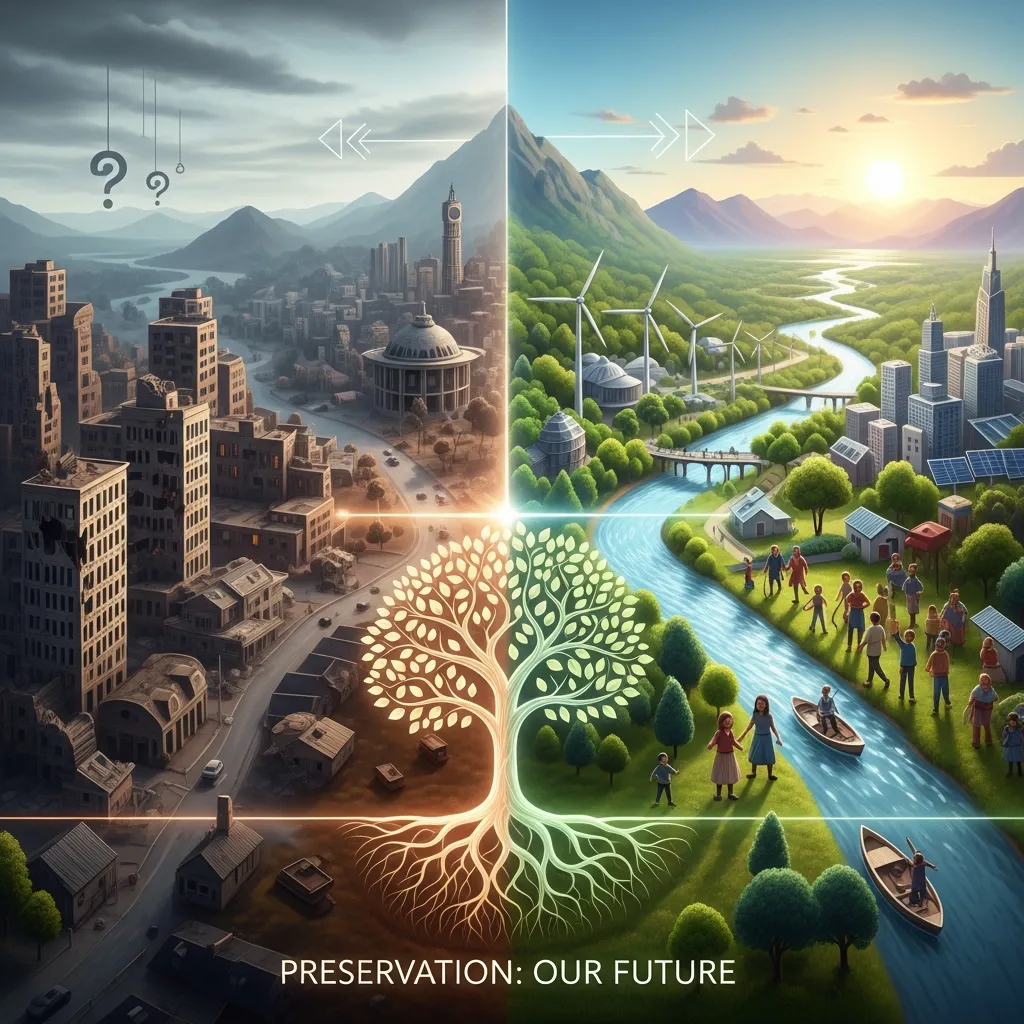
Preserving the city is not only about protecting buildings. It is also about protecting habits, skills, and social relationships. Venice cultural canals & traditions depend on a living environment where residents can continue everyday routines without losing their home to excess pressure. When local life weakens, the city loses part of its character.
That is why preservation must involve more than policy. It requires residents, artisans, travelers, institutions, and local businesses to participate in care. Venice cultural canals & traditions are strongest when people understand that heritage is not an object behind glass. It is a system of living relationships that must remain functional, respectful, and human.
A city that teaches balance
The city offers a lesson in balance between tourism and home, beauty and utility, memory and change. This balance is not accidental; it is maintained through attention.
Conclusion
Venice cultural canals & traditions reveal much more than scenic waterways. They show how a city can turn geography into identity, routine into heritage, and celebration into collective memory. The canals are not just routes through water; they are the framework of movement, trade, and social connection. The traditions are not just performances for visitors; they are the daily and seasonal practices that keep the city emotionally and culturally alive. Venice cultural canals & traditions also demonstrate how fragile beauty can be preserved when communities value continuity, craftsmanship, and respectful public life. For travelers, the city becomes more meaningful when seen as a living place rather than a postcard. For readers interested in culture, Venice cultural canals & traditions offer a lasting lesson in how environment and identity can shape one another across centuries.
FAQs
1. What are Venice cultural canals & traditions?
They are the city’s waterways, customs, festivals, crafts, food habits, and social practices that together shape local identity.
2. Why are the canals so important?
They function as roads, social spaces, delivery routes, and symbols of the city’s long relationship with water.
3. Are these traditions still active today?
Yes, many rituals, festivals, crafts, and neighborhood habits continue to be part of everyday life.
4. How do festivals support culture?
They renew shared memory and bring residents together through annual repetition and public celebration.
5. Why is craftsmanship so important here?
Craft traditions preserve skills, identity, and cultural continuity across generations.
6. What role do markets play?
Markets connect food, community, and daily routine while reinforcing the city’s social rhythm.
7. Is the city only important for tourism?
No, it is also a living home for residents who depend on local customs and infrastructure.
8. How can visitors be respectful?
By moving carefully, supporting local businesses, and respecting residential spaces and daily routines.
9. Why is preservation difficult?
Because the city is fragile and must balance tourism, maintenance, and local life.
10. What makes this culture different from other cities?
Its identity is shaped directly by water, which affects movement, community, and tradition in a unique way.
11. Can cultural rituals survive modernization?
Yes, if communities continue practicing them with care and adapt them without losing meaning.
12. Why do people find Venice so emotionally powerful?
Because Venice cultural canals & traditions combine beauty, fragility, memory, and human adaptability in one place.



Leave a Reply