


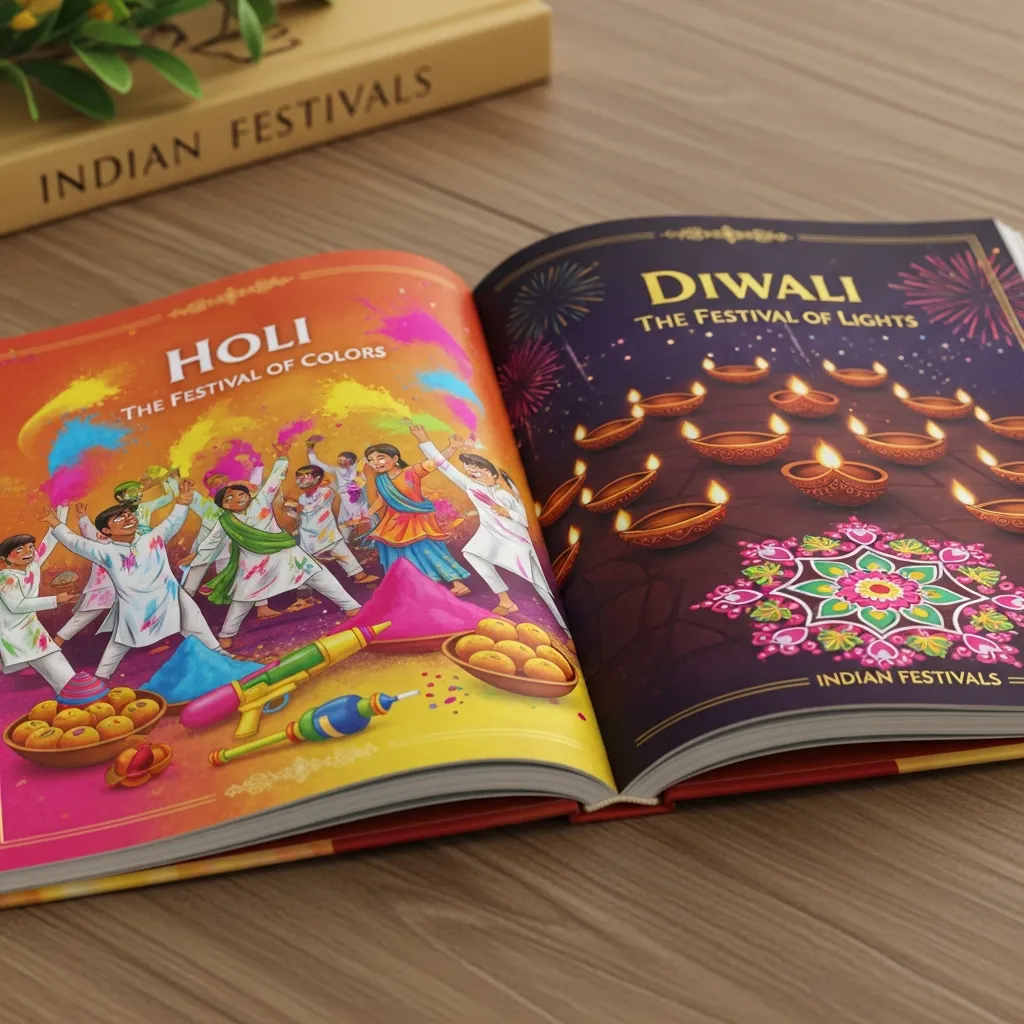
Holi and Diwali are two of the most significant and vibrant cultural events in India. While Holi is known as the festival of colors, celebrating the arrival of spring and the triumph of good over evil, Diwali is the festival of lights, marking the victory of light over darkness. Together, the Holi and Diwali festivals showcase a rich tapestry of mythology, community bonding, traditional feasts, and joyous celebrations that are now embraced worldwide.
The changing seasons in India bring an explosion of color, light, and community spirit. Throughout the year, millions of people gather to celebrate a wide array of cultural events. Two of the most eagerly anticipated events are the Holi and Diwali festivals. These occasions transform streets, homes, and public squares into vibrant displays of joy, devotion, and togetherness.
Holi arrives in the spring, turning neighborhoods into canvases of bright pinks, yellows, and greens. A few months later, the autumn air cools, and Diwali illuminates the darkest night of the month with thousands of flickering clay lamps and dazzling fireworks. Both celebrations offer a unique window into the rich mythology and enduring traditions of the Indian subcontinent.
By exploring these grand events, you will gain a deeper understanding of the values that bind millions of people together. This guide explores the history, rituals, and modern adaptations of the Holi and Diwali festivals. You will learn about their deep cultural roots, the delicious foods prepared for these occasions, and the unique tea ceremony culture that accompanies the festivities.
Holi: The Festival of Colors
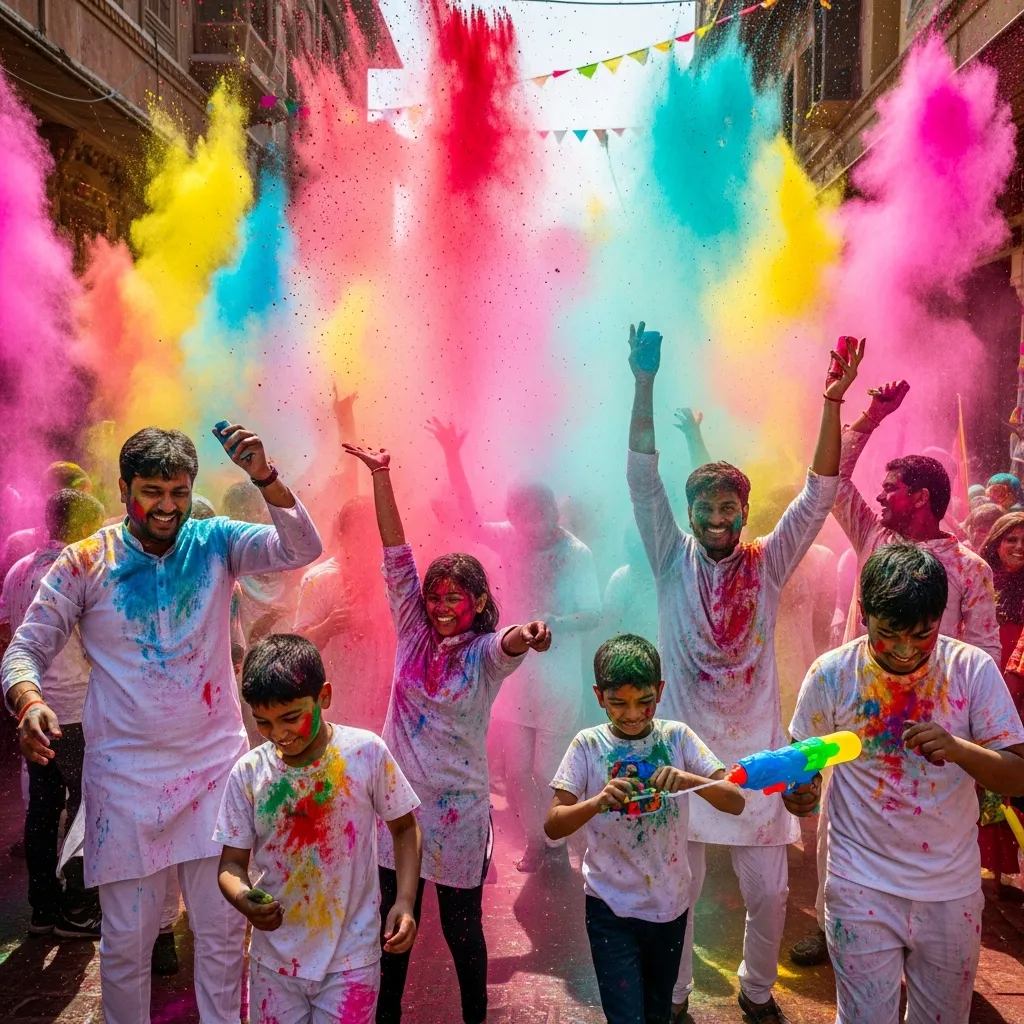
Holi is a jubilant celebration of spring, fertility, and the victory of good over evil. It is a time when social boundaries blur, and people of all backgrounds come together to play, dance, and feast.
Origins and Mythology of Holi
The festival has deep roots in Hindu mythology. The most popular legend tells the story of the demon king Hiranyakashipu and his devout son Prahlada. The king’s sister, Holika, had a magical cloak that protected her from fire. She tried to trick Prahlada by taking him into a blazing pyre. However, because of Prahlada’s unwavering devotion to Lord Vishnu, the cloak flew from Holika to him. Holika burned, and Prahlada survived, symbolizing the ultimate triumph of righteousness.
Another popular legend associates Holi with Lord Krishna and Radha. Krishna, conscious of his dark blue skin, playfully applied color to Radha’s fair face. This playful act evolved into the widespread tradition of smearing colored powders on loved ones.
Traditional Celebrations and Rituals
The celebration of Holi spans two days, each marked by distinct and meaningful rituals.
Holika Dahan: The Bonfire Ritual
On the night before Holi, communities gather to light large bonfires. This ritual, known as Holika Dahan, represents the burning of the demoness Holika. People sing, dance around the fire, and perform parikrama (walking around the fire) to pray for the destruction of their inner evils and the prosperity of their families.
Rangwali Holi: Playing with Colors
The following morning bursts into life with Rangwali Holi. People take to the streets armed with dry colored powders (gulal) and water balloons. Friends, family members, and even strangers smear colors on each other. Drums beat in the background, and folk songs fill the air as everyone joins in the joyful chaos.
Regional Variations and Customs
While the core theme remains the same, different regions of India celebrate Holi in unique ways. In the towns of Barsana and Nandgaon, women playfully beat men with sticks in a tradition known as Lathmar Holi. In West Bengal, the festival is observed as Dol Jatra, where idols of Krishna and Radha are placed on decorated palanquins and swung to the accompaniment of devotional music.
Food and Drink during Holi
No festival is complete without traditional delicacies. During Holi, households prepare gujiya, a sweet deep-fried dumpling stuffed with a mixture of milk solids and dried fruits. Another staple is thandai, a refreshing milk-based drink flavored with almonds, fennel seeds, rose petals, and spices.
Modern Interpretations and Global Reach
Holi has transcended geographical boundaries. Today, it is celebrated in major cities across the globe. Music festivals and color runs inspired by Holi draw massive crowds of diverse backgrounds, spreading the message of love and equality to a global audience.
Diwali: The Festival of Lights
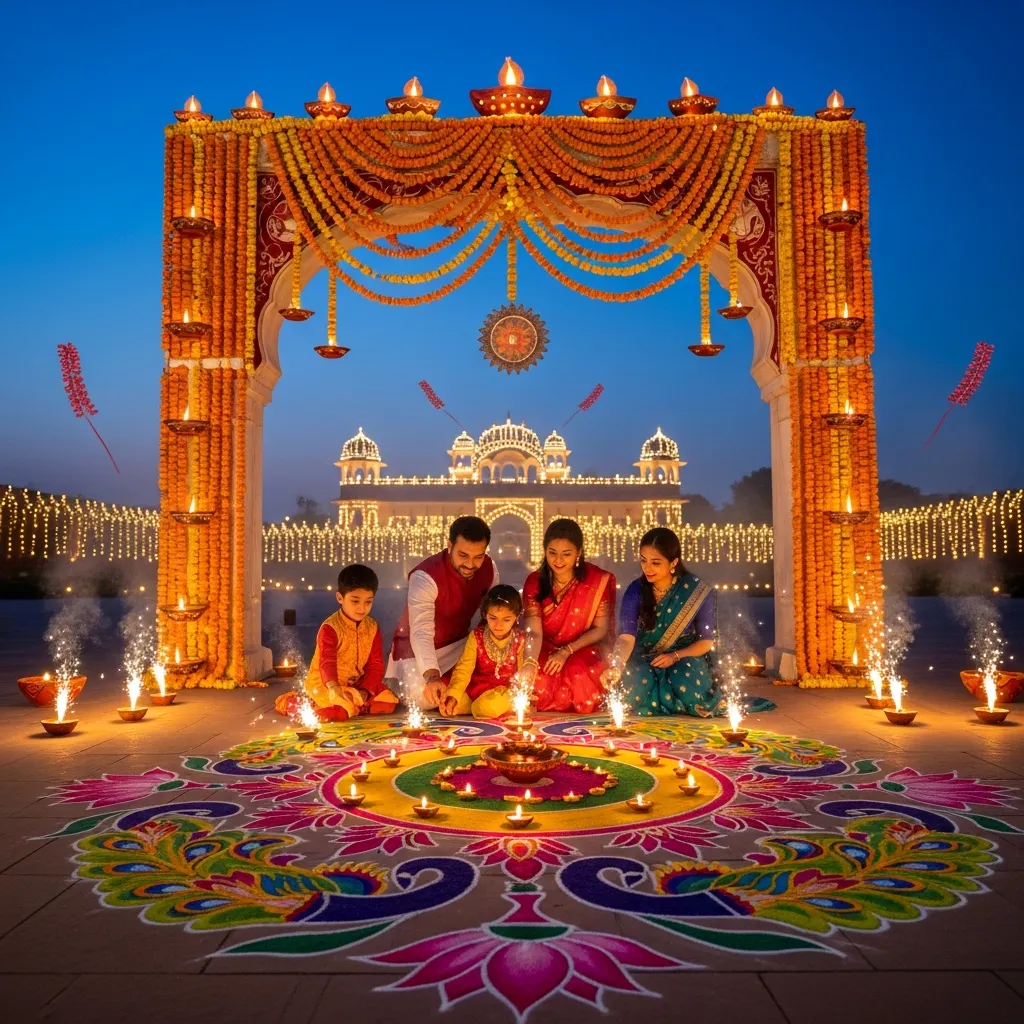
Diwali, or Deepavali, literally translates to a “row of lights.” It is India’s most widely celebrated festival, symbolizing the spiritual victory of light over darkness, good over evil, and knowledge over ignorance.
Origins and Mythology of Diwali
Diwali encompasses several historical and mythological narratives. In northern India, it commemorates the return of Lord Rama, his wife Sita, and his brother Lakshmana to the kingdom of Ayodhya after a 14-year exile and the defeat of the demon king Ravana. To welcome them, the citizens of Ayodhya lit their path with oil lamps.
In other regions, the festival is dedicated to Lakshmi, the goddess of wealth and prosperity. Many believe that on the night of Diwali, Goddess Lakshmi visits homes that are well-lit and clean, bringing blessings and good fortune for the year ahead.
Traditional Celebrations and Rituals
Diwali is typically celebrated over five days, each with its own specific focus and rituals.
Dhanteras: Worship of Wealth
The first day marks the beginning of the festival. People clean their homes and purchase gold, silver, or new kitchen utensils as a sign of welcoming prosperity.
Naraka Chaturdashi: Day of Purification
The second day celebrates the defeat of the demon Narakasura by Lord Krishna. It is a day of spiritual purification, often beginning with early morning oil baths and the wearing of new clothes.
Lakshmi Puja: Main Day of Celebration
The third day is the height of the festival. Families dress in their finest clothes and gather for Lakshmi Puja, offering prayers for wealth and success. Homes are illuminated with diyas (clay lamps), and fireworks light up the night sky.
Govardhan Puja: Honoring Krishna
The fourth day honors Lord Krishna, who lifted the Govardhan Mountain to protect the villagers of Vrindavan from torrential rains. Devotees prepare large mountains of food as offerings.
Bhai Dooj: Celebrating Sibling Bonds
The fifth and final day focuses on the bond between brothers and sisters. Sisters pray for their brothers’ long lives and success, while brothers present their sisters with gifts.
Regional Variations and Customs
Like Holi, Diwali varies across the subcontinent. In West Bengal, the festival coincides with Kali Puja, honoring the fierce Goddess Kali. In southern India, the primary celebration occurs on Naraka Chaturdashi rather than the third day.
Food and Drink during Diwali
Diwali is synonymous with an abundance of sweets and savory snacks, collectively known as mithai. Families exchange decorative boxes filled with laddoos, barfis, and kaju katli. Savory treats like chakli and crispy samosas balance the sugar rush.
Modern Interpretations and Global Reach
Diwali is recognized internationally, with major cities from London to Sydney hosting public celebrations. Public squares are decorated with lights, and political leaders around the world host official Diwali receptions, acknowledging the cultural contributions of the diaspora.
The Cultural Tapestry: Connecting Festivals
Despite their different seasons and rituals, the Holi and Diwali festivals share core values. Both emphasize the victory of good over evil and the importance of new beginnings. They serve as annual reminders to let go of past grievances, forgive others, and move forward with a renewed sense of purpose.
Family and community play a central role in both events. People travel long distances to be with their loved ones. The art of gifting and sharing food reinforces social bonds and creates a spirit of generosity that extends to neighbors and those less fortunate.
Holi & Diwali and the Tea Ceremony Culture
Indian hospitality is legendary, and tea (or chai) is at its heart. During the Holi and Diwali festivals, the tea ceremony culture takes on a festive flair. Serving tea to guests is a fundamental sign of respect and welcome.
During Holi, amidst the exhaustion of playing with colors, families retreat to their porches for a spiced cup of hot tea. It provides warmth and a moment of connection. During Diwali, the tea ceremony culture becomes more elaborate. Hosts serve richly brewed masala chai in fine porcelain or traditional clay cups alongside platters of festive sweets. Modern blends, such as rose-infused black tea or saffron green tea, have also become popular during these times, marrying ancient hospitality with contemporary tastes.
Economic and Social Impact of Holi & Diwali
These festivals act as massive economic engines. Months in advance, artisans begin crafting diyas, weaving textiles, and preparing raw materials for colored powders. The weeks leading up to the holidays see a massive boost in retail sales, from clothing and electronics to vehicles and real estate.
Socially, these festivals promote unity and harmony. They bring people out of their homes and into communal spaces. Additionally, the sheer spectacle of the Holi and Diwali festivals drives cultural exchange and tourism, as travelers flock to India to experience the celebrations firsthand.
Challenges and Criticisms
While these festivals are times of immense joy, they face modern challenges. The commercialization of both events has led to excessive spending and a shift away from their traditional spiritual roots.
Environmental concerns are also pressing. During Holi, the use of synthetic, chemical-laden colors can cause skin allergies and pollute local water sources. Diwali faces significant criticism for the excessive use of firecrackers, which severely degrades air quality and causes noise pollution, affecting the elderly and animals. Consequently, there is a growing movement toward celebrating “green” festivals, using organic colors for Holi and eco-friendly lighting for Diwali.
Keeping the Festive Spirit Alive

The Holi and Diwali festivals continue to be the heartbeat of a vibrant cultural landscape. They are a testament to human resilience, the joy of community, and the enduring power of faith. While the methods of celebration may evolve to address modern environmental and social concerns, the core essence of these holidays remains untouched.
By embracing the colorful chaos of spring and the luminous warmth of autumn, people around the world keep these ancient traditions alive. Whether you are enjoying the lively tea ceremony culture with family or marveling at a neighborhood lit up by thousands of lamps, these festivals offer a beautiful reminder that light and color will always find a way to cut through the dark.
FAQs about Holi and Diwali Festivals
1. What is the main significance of Holi and Diwali festivals?
The Holi and Diwali festivals represent two powerful themes in Indian culture—renewal and light. Holi celebrates the arrival of spring and the triumph of good over evil, encouraging forgiveness and joy. Diwali, on the other hand, symbolizes the victory of light over darkness and knowledge over ignorance, bringing hope, prosperity, and spiritual reflection.
2. What does Diwali celebrate in Indian tradition?
As part of the Holi and Diwali festivals, Diwali holds deep spiritual importance. It marks the return of Lord Rama from exile after defeating Ravana and also honors Goddess Lakshmi, who is believed to bless homes with wealth and prosperity during this time.
3. How are Holi and Diwali different from each other?
Although both are key parts of the Holi and Diwali festivals, they differ in season and style. Holi is a vibrant spring celebration filled with colors, music, and outdoor fun, while Diwali is an autumn festival focused on lighting lamps, performing prayers, and sharing gifts with loved ones.
4. What is Holika Dahan and why is it important?
Holika Dahan is a significant ritual within the Holi and Diwali festivals, especially for Holi. It involves lighting a bonfire the night before the main celebration, symbolizing the burning of negativity and evil, inspired by the myth of Prahlada and Holika.
5. What is Lakshmi Puja during Diwali?
Lakshmi Puja is one of the most important rituals of the Holi and Diwali festivals, particularly during Diwali. Families clean and decorate their homes, then pray to Goddess Lakshmi for wealth, success, and good fortune in the coming year.
6. Are Holi and Diwali festivals celebrated by all religions?
While rooted in Hindu traditions, the Holi and Diwali festivals have become widely celebrated cultural events. People from different religions and communities across India and around the world join in the festivities, highlighting unity and shared joy.
7. What foods are commonly enjoyed during Holi?
Food plays a major role in the Holi and Diwali festivals. During Holi, popular dishes include gujiya, malpua, dahi vada, and thandai. These festive treats add sweetness and energy to the colorful celebrations.
8. What sweets are popular during Diwali celebrations?
Diwali, as part of the Holi and Diwali festivals, is famous for its variety of traditional sweets. Mithai such as laddoos, barfis, gulab jamuns, kaju katli, and jalebis are prepared and shared among family, friends, and neighbors as symbols of happiness and goodwill.
9. Is there a dress code for Holi and Diwali festivals?
Yes, clothing differs across the Holi and Diwali festivals. During Diwali, people wear new and elegant traditional outfits like saris and kurtas. For Holi, most prefer simple white cotton clothes that can be easily colored during the festivities.
10. How have Holi and Diwali festivals evolved over time?
The Holi and Diwali festivals have expanded beyond India and are now celebrated globally. While commercialization has increased, there is also a growing awareness of eco-friendly practices, such as using natural colors for Holi and limiting fireworks during Diwali.
11. What is the role of tea ceremony culture in these festivals?
Tea plays a special role in the Holi and Diwali festivals, reflecting Indian hospitality. Serving spiced chai with festive snacks creates a warm and welcoming environment, encouraging conversations and strengthening social bonds.
12. How can Holi and Diwali festivals be celebrated sustainably?
Celebrating the Holi and Diwali festivals responsibly is becoming increasingly important. Using organic colors, conserving water, avoiding harmful fireworks, and choosing eco-friendly decorations are simple ways to protect the environment while preserving tradition.



Leave a Reply