


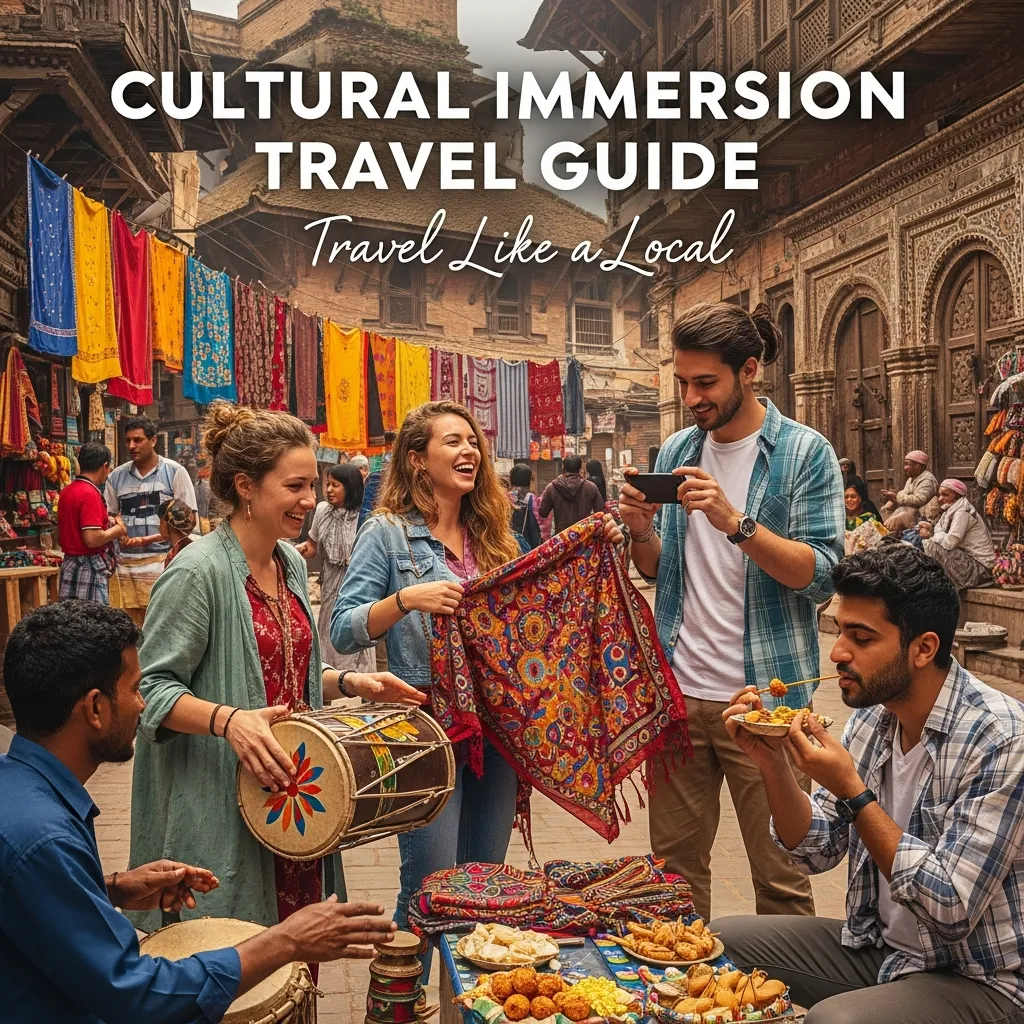
Most vacations involve a rushed itinerary of famous landmarks, crowded resorts, and souvenir shops. While seeing iconic sights has its appeal, many travelers return home feeling disconnected from the places they visited. You snap a photo, buy a magnet, and move on to the next destination.
But what if you want to understand the heartbeat of a destination?
This cultural immersion travel guide provides a roadmap for stepping off the beaten path and stepping into the daily lives of the people who call your destination home. By learning to travel slowly and intentionally, you open the door to genuine connections and a deeper understanding of the world. You will learn how to prepare for your trip, how to interact respectfully with local communities, and how to navigate the inevitable challenges of navigating a foreign culture. Prepare to leave your comfort zone behind and discover the rewards of a truly authentic journey.
What is Cultural Immersion?
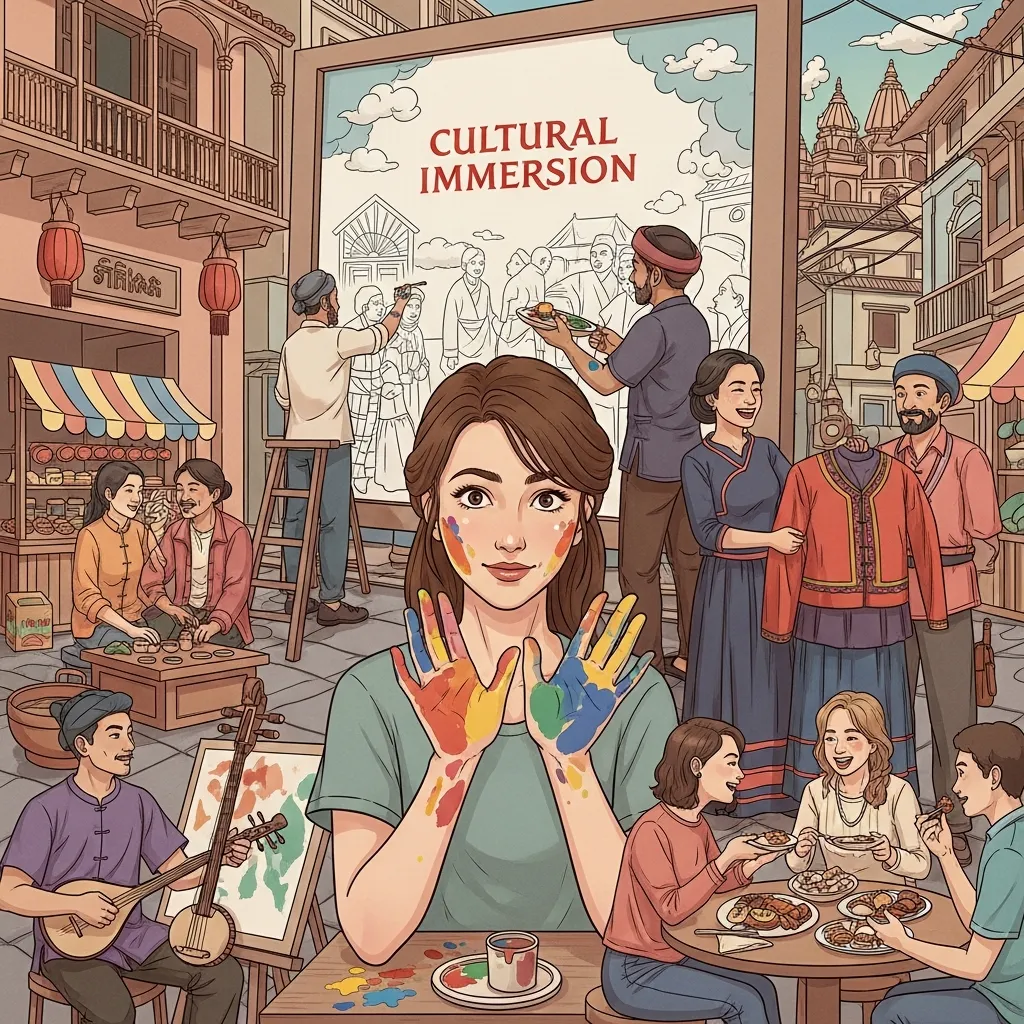
Cultural immersion means fully integrating yourself into the customs, language, and daily routines of a local community. Instead of observing a culture from the window of a tour bus, you actively participate in it. You eat where the locals eat, navigate the same public transportation systems, and partake in their traditions. A strong cultural immersion travel guide emphasizes that this approach requires vulnerability. You must let go of familiar routines and embrace new ways of thinking and living.
Why Choose Cultural Immersion Travel?
Standard tourism often creates a barrier between the visitor and the host country. Resorts and guided tours cater to your comfort, insulating you from the realities of the local environment. Choosing the path outlined in this cultural immersion travel guide strips away that barrier.
When you immerse yourself in a culture, you gain empathy. You see firsthand how different societies solve problems, celebrate milestones, and find joy in everyday moments. This type of travel fosters mutual respect. Furthermore, local economies benefit directly when you choose independent vendors, local markets, and family-owned accommodations over multinational hotel chains.
Planning Your Cultural Immersion Adventure
A successful trip requires thoughtful preparation. Following a cultural immersion travel guide means shifting your planning focus from “what to see” to “how to participate.”
Choosing Your Destination
Select a location that genuinely interests you culturally, not just visually. Research places known for welcoming independent travelers and having strong, preserved local traditions. Sometimes, secondary cities or rural villages offer better opportunities for connection than overwhelming capital cities.
Researching Local Customs and Traditions
Understanding social norms prevents accidental offense and shows respect for your hosts. Learn the appropriate greetings, dress codes, and dining etiquette. Knowing how to dress appropriately for religious sites or understanding the rules of tipping will help you blend in and demonstrate that you value their way of life.
Learning Basic Phrases of the Local Language
You do not need to achieve fluency before your flight departs. However, learning key phrases transforms how locals perceive you. Mastering greetings, polite requests, and expressions of gratitude shows effort. Locals often respond with immense warmth when they see a visitor trying to speak their language, even if the pronunciation is flawed.
Packing Essentials for Immersive Travel
Pack light to remain agile. A heavy suitcase makes navigating local transit difficult and marks you immediately as a tourist. Bring modest clothing that aligns with local standards. Include a small notebook for jotting down new words or directions, and consider bringing small, culturally appropriate gifts from your home country to share with hosts or new friends.
Engaging with the Local Community
The core of any cultural immersion travel guide involves direct interaction with the people who live in your destination.
Homestays and Local Accommodations
Skip the international hotel chains. Booking a homestay or a locally owned guesthouse places you directly in a residential neighborhood. You get to see how a typical home functions, and your hosts often become your greatest resource for finding authentic food and activities.
Participating in Local Activities and Workshops
Join a local cooking class, attend a neighborhood festival, or take a workshop with a local artisan. These activities provide a structured environment to learn a traditional skill and converse with residents. Working alongside someone to weave a basket or prepare a regional dish bridges cultural gaps quickly.
Exploring Local Cuisine and Markets
Supermarkets and tourist restaurants offer a sanitized version of local food. Head to the bustling neighborhood markets instead. Buy fresh produce from the vendors, try the street food that has the longest line of locals, and ask for recommendations. Sharing a meal is a universal language, and eating locally is a fundamental principle of this cultural immersion travel guide.
Ethical and Responsible Travel Practices
Immersion must never come at the expense of the community. Always ask for permission before taking photographs of people. Pay fair prices for goods rather than haggling aggressively over pennies. Ensure that your presence supports the community positively, both economically and socially.
Overcoming Challenges in Cultural Immersion
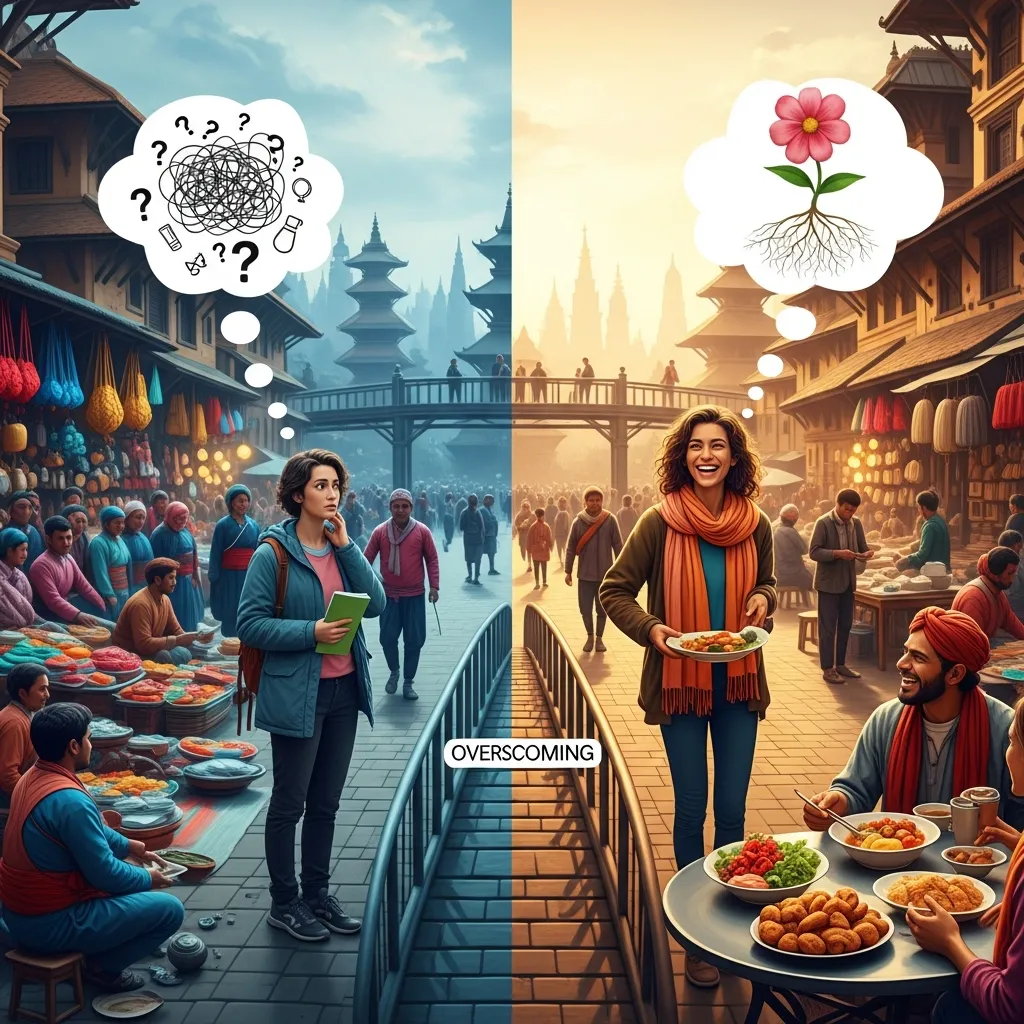
Leaving your comfort zone guarantees some friction. A realistic cultural immersion travel guide prepares you for the psychological and logistical hurdles.
Dealing with Culture Shock
Everything from the concept of time to personal space might be completely different from what you know. You may feel exhausted, frustrated, or isolated. Accept that culture shock is a normal part of the process. Take a rest day if you need to, journal your feelings, and remind yourself why you chose this path.
Respecting Cultural Differences
You will encounter practices or beliefs that challenge your own values. Your role as an immersive traveler is not to judge or change these practices, but to seek understanding. Listen more than you speak. Approach every difference with curiosity and an open mind.
Maintaining Personal Safety
Blending in helps keep you safe. Walk with purpose, secure your valuables, and pay attention to your surroundings. Ask your homestay hosts which areas to avoid after dark. Trust your instincts, and remember that being culturally respectful does not mean ignoring your own boundaries.
Transformative Travel Experiences: Beyond the Tourist Trail
Following this cultural immersion travel guide leads to profound changes in how you view the world and yourself. Transformative travel experiences happen when you stop treating a destination as a checklist.
Building Meaningful Connections
When you travel slowly, you have the time to have multiple conversations with the same coffee shop owner or get to know the family running your guesthouse. These relationships often become the most cherished memories of your trip, far outlasting the thrill of seeing a famous monument.
Gaining New Perspectives
Immersive travel forces you to confront your own biases. You realize that your way of doing things is just one of many valid ways. This shift in perspective is a hallmark of transformative travel experiences. You return home with a broader understanding of global issues and human commonalities.
Personal Growth and Self-Discovery
Navigating foreign transit, communicating across language barriers, and adapting to new environments builds incredible resilience. You discover strengths you never knew you had. This cultural immersion travel guide encourages you to embrace the discomfort because that is where the most significant personal growth occurs.
Cultural Immersion Travel Guide: Essential Tips for a Deeper Journey
To summarize, slow down. Stay in one place longer instead of bouncing between cities every two days. Put your phone away and observe the rhythms of the street. Say yes to unexpected invitations from locals, provided they are safe. A successful trip using this cultural immersion travel guide requires flexibility, a sense of humor, and a genuine desire to learn.
Embracing the World Through Cultural Immersion
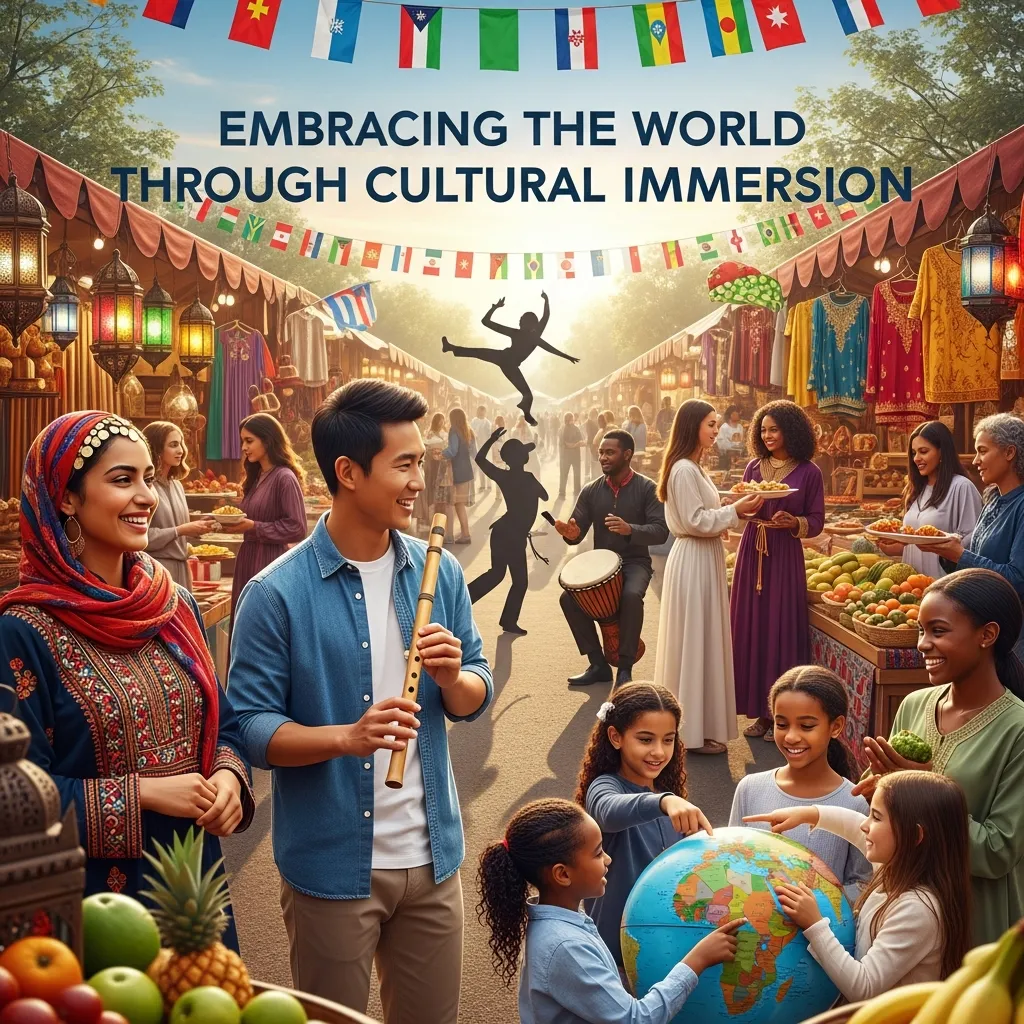
Standard vacations offer a temporary escape from reality. Cultural immersion offers an entirely new reality to explore. By following the steps outlined in this cultural immersion travel guide, you commit to being a student of the world. You trade the superficial comforts of mass tourism for the profound rewards of human connection and authentic discovery. When you travel this way, you do not just see a destination; you feel it, understand it, and carry a piece of it with you forever.
FAQ
1. What exactly does “cultural immersion travel” mean?
Cultural immersion travel involves actively engaging with a destination’s local culture, customs, and daily life. You live as the locals do, eat their food, and participate in their traditions, prioritizing deep connection over sightseeing.
2. How is cultural immersion different from regular tourism?
Regular tourism focuses on visiting landmarks and staying in standardized accommodations. Cultural immersion travel focuses on human interaction, understanding local lifestyles, and stepping outside the typical tourist infrastructure to experience authentic daily life.
3. What are the best destinations for a truly immersive experience?
Any destination can offer immersion if approached correctly. However, rural areas, secondary cities, and countries with strong, preserved traditions often make it easier to connect with locals and experience authentic transformative travel experiences.
4. How can I find ethical homestays or local accommodations?
Look for platforms that specialize in community-based tourism. Read reviews to ensure the money goes directly to the local families. A good cultural immersion travel guide recommends verifying that the host genuinely interacts with guests.
5. Is it necessary to learn the local language for cultural immersion?
While fluency is not required, learning basic phrases is highly recommended. Greetings, numbers, and polite phrases show respect and significantly improve your ability to connect with locals during your journey.
6. What are some common challenges faced during cultural immersion?
Travelers often face culture shock, language barriers, fatigue, and misunderstandings regarding social norms. A thorough cultural immersion travel guide prepares you to handle these challenges with patience and an open mind.
7. How can I ensure my travel is respectful and responsible?
Research local customs before you arrive. Dress appropriately, ask permission before taking photos, support small local businesses, and minimize your environmental impact to ensure your presence benefits the host community.
8. What kind of activities should I look for to immerse myself?
Seek out neighborhood markets, local cooking classes, artisan workshops, and community festivals. Participating in the daily chores or crafts of your host family also provides incredible transformative travel experiences.
9. Can cultural immersion travel be done on a budget?
Yes. Immersive travel is often cheaper than standard tourism. Eating street food, taking local public transportation, and staying in homestays typically cost much less than dining at tourist restaurants and booking resort hotels.
10. How do I prepare for culture shock?
Acknowledge that culture shock is inevitable. Read extensively about the local culture beforehand. Once there, maintain a flexible schedule, allow yourself time to rest, and keep an open, non-judgmental attitude toward differences.
11. What are the long-term benefits of cultural immersion?
You gain increased empathy, adaptability, and cross-cultural communication skills. These transformative travel experiences foster personal growth, challenge your preconceptions, and leave you with a more nuanced understanding of the world.
12. Where can I find a comprehensive cultural immersion travel guide?
Travel blogs focusing on slow travel, community-based tourism websites, and books by experienced immersive travelers are excellent resources. This post serves as a foundational cultural immersion travel guide to start your journey.



Leave a Reply