


Culinary travel transforms routine trips into rich sensory adventures that remain vivid long after your suitcase is unpacked. In today’s digital landscape, exploring flavors has become as popular as visiting landmarks. Enthusiasts currently seek not only photo-worthy vistas but also authentic bites, hidden recipes, and local gatherings that reveal a region’s soul. This year (2026), interest in gastronomy-focused expeditions has surged, underscoring a universal appetite for cultural immersion through food.
Whether you’re sampling hand-mashed guacamole at a community gathering or mastering the art of dumpling folding in a family kitchen, every mouthful tells a story about heritage, agriculture, and innovation. From bustling bazaars to intimate chef-hosted dinners, culinary travel connects you directly with producers, artisans, and tradition bearers. It’s a journey where tasting is understanding, and each dish fosters cross-cultural bonds that last far beyond the final course.
In this comprehensive guide, we’ll outline how to research destinations, choose must-see markets, and engage in interactive lessons without breaking the bank. We’ll profile top food capitals, discuss etiquette to stay safe and respectful, and share strategies to document your culinary discoveries. Prepare to embark on a flavorful expedition that blends education, adventure, and indulgence. Let’s begin your path toward a more delicious, enlightening travel experience rooted in gastronomy.
The Cultural Significance of Culinary Travel
Understanding why culinary travel has gained immense popularity today requires recognizing that food is more than sustenance—it is a language that conveys history, geography, and values. When travelers sample regional staples like tlayudas in Mexico, freshly pulled mozzarella in Italy, or spicy kimchi in Korea, they gain firsthand insight into centuries of tradition and innovation passed down through generations. This form of food tourism fosters empathy and global awareness, breaking down barriers and encouraging meaningful connections with local communities.
Across continents, signature dishes often reflect a locale’s natural resources and climatic conditions. In coastal regions, seafood features prominently, while mountainous areas may showcase hearty grains and preserved meats. By tasting these foods, culinary adventurers indirectly explore agricultural practices, seasonal rhythms, and environmental stewardship. A 2026 report by the World Tourism Organization (UNWTO) highlights that food-focused itineraries not only enrich visitors but also contribute significantly to local economies, driving support for family-run farms and small-scale producers.
Moreover, culinary travel acts as a bridge between travelers and artisans who strive to maintain age-old techniques. Participating in a Japanese tea ceremony or watching cheese wheels mature in an alpine cave deepens appreciation for craftsmanship. These experiences have been shown by research at Cornell University’s Food Science Department to enhance cultural sensitivity and personal growth. Currently, tourists are not passive consumers; they become ambassadors of cultural preservation, spreading awareness of authentic practices.
By indulging in culinary experiences, travelers also contribute to sustainable tourism trends. The United States Department of Agriculture (USDA) notes that promoting local sourcing and farm-to-table initiatives reduces carbon footprints and supports biodiversity. Seasonal food excursions encourage communities to value traditional crops and heritage breeds, safeguarding genetic diversity. In this way, culinary travel becomes an ethical choice, aligning wanderlust with environmental responsibility. Today’s discerning travelers seek authenticity and purpose, and by choosing flavorful paths that honor both people and planet, they participate in a global movement toward more conscientious exploration.
Research and Preparation Strategies for Food Voyages
Embarking on a culinary travel adventure demands thoughtful planning. Today, online resources and digital tools make it easier than ever to curate an itinerary rich in flavor and authenticity. Begin by compiling a list of regional specialties—whether it’s saffron-infused pilaf in Iran or vegan street snacks in Berlin. Online platforms such as travel forums, destination blogs, and university-led research centers offer valuable insights into seasonal harvests and upcoming food festivals.
Identifying Regional Specialties
First, create a map of signature dishes associated with your chosen area. Academic institutions often publish research on indigenous crops and cooking techniques, offering deeper context. For example, the Harvard T.H. Chan School of Public Health provides studies on how traditional diets impact community health, which can guide nutritional preferences and respect dietary restrictions. Highlight must-try items and note where to find them—farmers’ markets, roadside vendors, or fine-dining establishments.
Timing and Seasonal Considerations
Seasonality plays a critical role in culinary travel. Investigate local calendars to discover harvest seasons, seafood runs, and agrarian fairs. Attending a truffle festival during harvest or witnessing an olive-picking ritual enriches your journey with cultural significance. Make reservations for cooking classes and chef’s tables well in advance, especially during peak months. Many renowned hosts fill up quickly, leaving late planners with fewer authentic options.
Health, Safety, and Practical Gear
Practical preparation also includes health and safety planning. Research food safety advisories on official sites and consult travel clinics for necessary vaccinations. Packing a minimalist kit—portable cutlery set, a lightweight food journal, reusable water bottle, and a compact cooler pack—ensures you can sample street fare without compromise. Download translation apps and allergy cards in the local language to navigate menus confidently. By anticipating potential challenges, you’ll maximize enjoyment and minimize stress.
Budgeting and Booking
Finally, outline a realistic budget that balances splurges on signature meals with everyday eats at local markets. Many destinations offer lunch specials or family-style sharing platters that deliver excellent value. Secure accommodations near vibrant food districts to reduce transit time and expenses. Signing up for newsletters from culinary tour operators can unlock early bird discounts or permits for exclusive events. Through diligent research and considered preparations, your culinary travel will unfold smoothly, allowing you to immerse fully in each bite.
Must-Visit Destinations for Food Enthusiasts
No two culinary travel itineraries are identical, yet certain cities consistently entice epicureans seeking extraordinary flavors and cultural depth. Today’s gastronomes should consider adding these vibrant destinations to their bucket list, each offering a unique tapestry of tastes, traditions, and textures.
1. Tokyo, Japan
Tokyo stands at the forefront of innovative cuisine, blending centuries-old techniques with avant-garde presentations. From intimate sushi counters in Ginza to ramshackle stands in Tsukiji Outer Market, visitors can sample fresh sashimi, handmade soba noodles, and delicate wagashi desserts. Many local chefs draw inspiration from seasonal produce, resulting in constantly evolving menus that reflect the city’s four distinct seasons. Interactive experiences such as tea ceremonies and sake tastings deepen appreciation for Japan’s meticulous approach to ingredient selection and umami balance.
2. Bologna, Italy
Revered as Italy’s culinary cradle, Bologna offers hearty pasta traditions and artisanal charcuterie. In emporiums around the historic Quadrilatero district, you’ll discover house-cured prosciutto, mortadella infused with pistachio, and fresh egg tagliatelle bathed in rich ragù. Pair your meal with local Lambrusco or Pignoletto wines and stroll through open-air markets where cheese wheels age in sunlight. Don’t miss the annual Mortadella Festival in September, where you can participate in tastings led by master salumieri.
3. Bangkok, Thailand
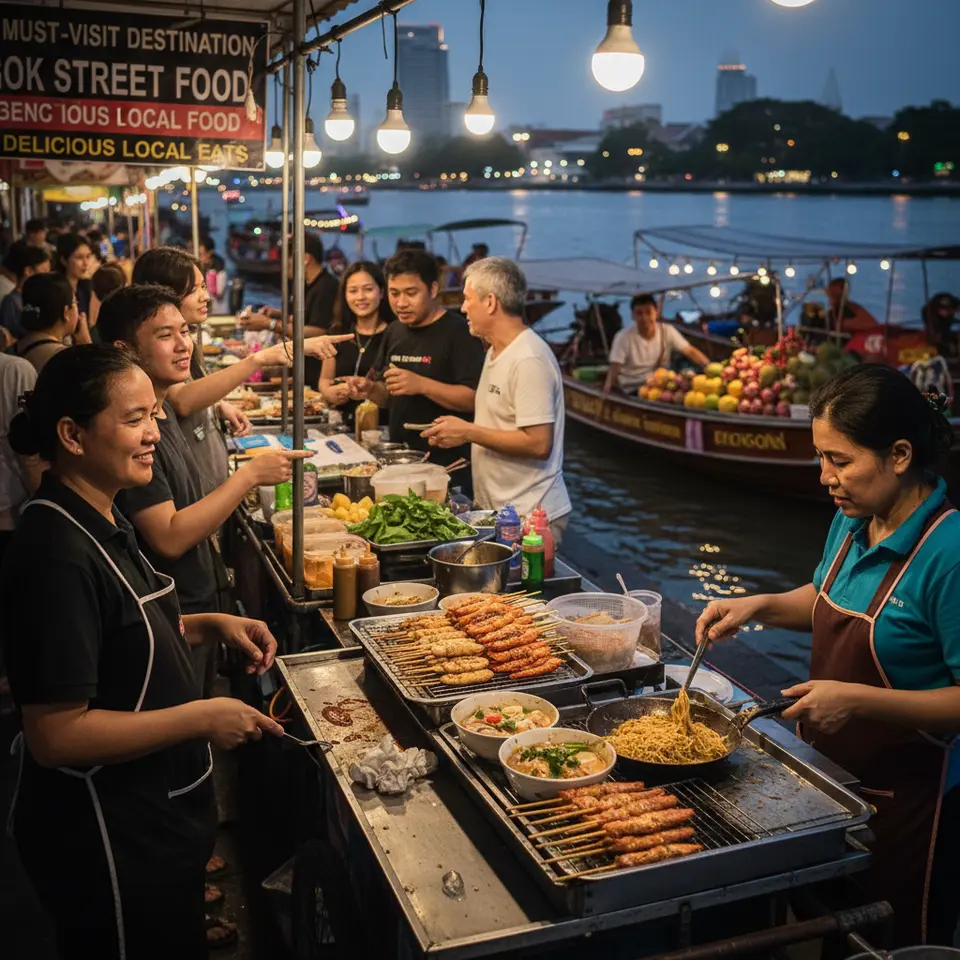
Renowned for its dynamic street food scene, Bangkok dazzles the senses with fiery curries, aromatic stir-fries, and sweet mango sticky rice. Culinary travelers should navigate through bustling night bazaars to savor pad see ew, tom yum soup, and grilled seafood skewers, all prepared tableside. Consider taking a street food cooking workshop in Yaowarat Chinatown to learn spice combinations and stir-fry techniques firsthand. A short boat ride to local floating markets reveals a panorama of dragon fruit, chilies, and tropical herbs, underscoring Thailand’s agricultural diversity.
4. Mexico City, Mexico
As a nexus of indigenous and colonial flavors, Mexico City offers an unparalleled exploration of mole complexes, tangy tacos al pastor, and freshly pressed aguas frescas. Venture into cobblestone neighborhoods to find family-run taquerías where time-honored recipes are guarded like treasures. Guided odysseys through street stalls and historic mercados reveal the origins of corn tortillas and rarely seen tropical fruits. Many tours include stops at lesser-known fondas where artisans craft handmade totopos and traditional tequila pairings.
5. Marrakech, Morocco
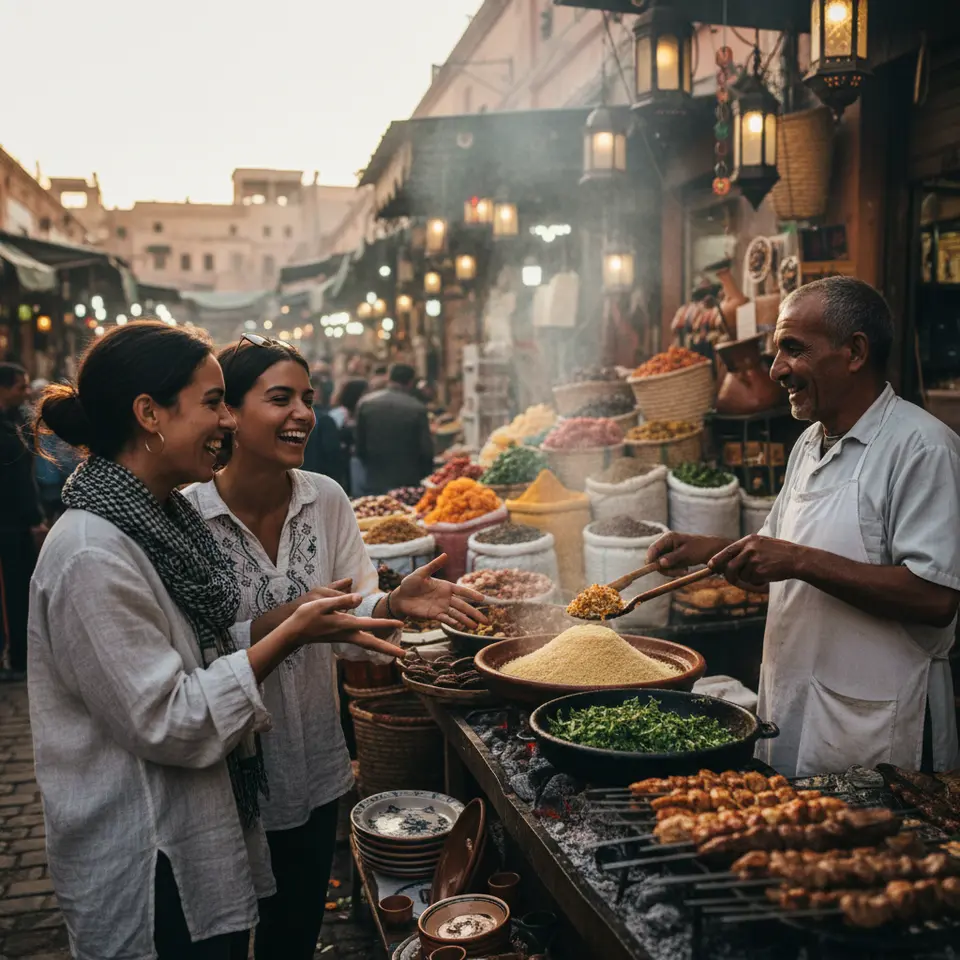
Marrakech captivates with its crimson-sand alleys lined by bronze cauldrons brimming with tagines and couscous. In today’s medina, spice merchants display saffron, ras el hanout, and preserved lemons next to trays of flaky pastries drenched in orange blossom syrup. Joining a local cook for mint tea service or attending a rooftop dinner overlooking the Koutoubia Mosque adds layers of cultural context to every bite. Sunset visits to the spice market offer mesmerising views of bustling souqs illuminated by lantern light.
Whether you crave precision in Tokyo or bold, aromatic blends in Marrakech, these global food capitals will inspire any culinary traveler to deepen their palate and perspective.
Engaging with Local Markets and Vendors
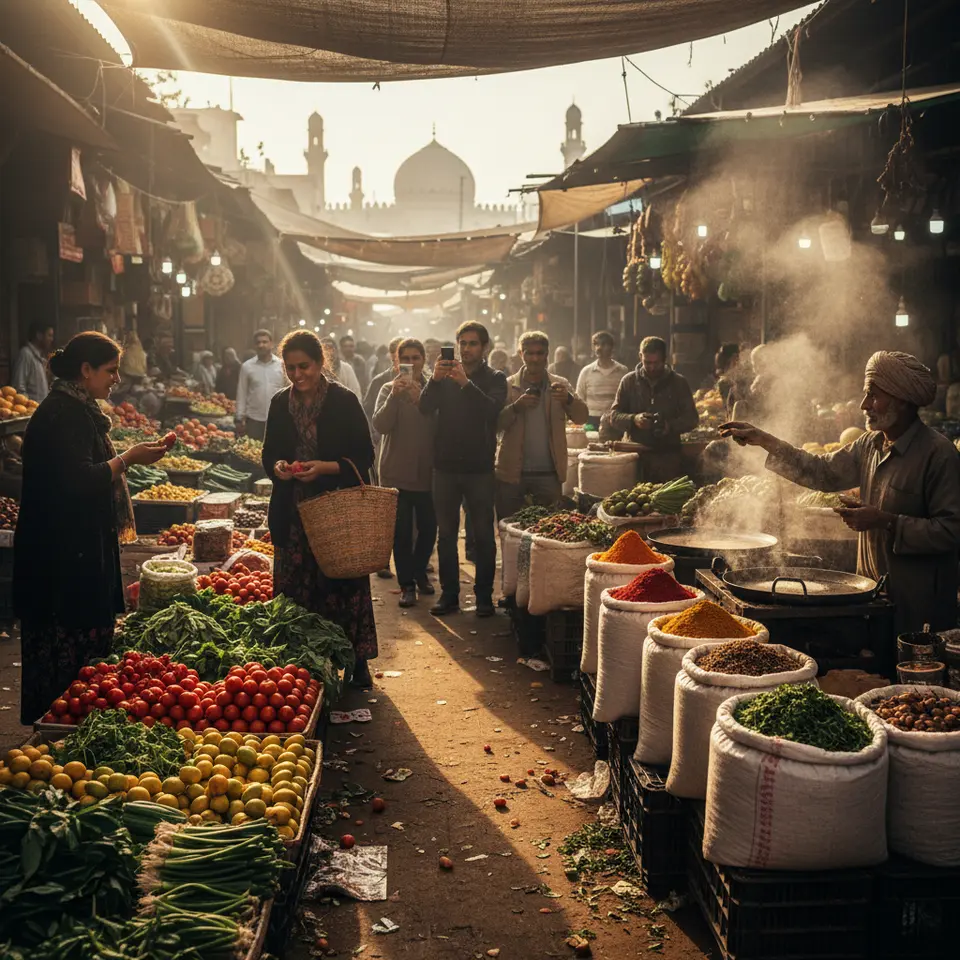
Local markets serve as the beating heart of communities, offering an immersive window into regional foodways. In today’s fast-paced travel environment, these open-air bazaars allow people to connect with producers, observe seasonal harvests, and taste fresh ingredients at their peak. When you stroll through rows of colorful stalls, the array of fruits, vegetables, spices, and prepared snacks conveys the agricultural heritage of a locale.
Navigating Market Layouts
Most markets are organized by categories—street snacks in one zone, fresh produce in another, and artisanal goods tucked away in quieter corners. Spend time mapping each area to maximize your experience. Start early in the morning when vendors display the day’s freshest catches and harvests. As the crowd builds, stock replenishment slows and prices can increase. Scheduling your visit around these patterns ensures you’ll sample the best offerings.
Building Rapport with Vendors
Simple greetings in the local language can open doors to authentic exchanges. Learning key food-related phrases demonstrates respect and curiosity. Many vendors welcome questions about provenance, growing methods, and recipe ideas. If you encounter an especially cooperative farmer or spice merchant, consider purchasing a small sample to support their craft. These conversations often lead to insider knowledge about hidden gems beyond the market walls.
Sampling Responsibly
Sampling liberally is one of the great joys of culinary travel, but pacing yourself will help you explore a wider spectrum of flavors. Choose small portions from different stalls to prevent palate fatigue and avoid food waste. Carry biodegradable napkins or napkin cloths, and pack your tasting spoons to minimize single-use plastics. Remember that in some regions, vendors may prefer cash transactions, so keeping the correct local currency handy is essential.
Photography and Etiquette
While photographing ingredients and prepared dishes adds to your travel journal, always ask permission before capturing images of people or family-run setups. A respectful nod or simple gesture is often enough to receive an enthusiastic yes. Avoid distracting chefs or blocking pathways, and be mindful of cultural norms regarding personal space.
By engaging thoughtfully with market vendors and their wares, culinary travelers foster goodwill and gain unique insights that guide later cooking classes or restaurant visits. These vibrant marketplaces are where taste, tradition, and community converge, making them indispensable stops on any flavorful journey.
Maximizing Authentic Experiences on a Budget
Experiencing the essence of a culture through its cuisine doesn’t have to require a luxury budget. In fact, many of the most memorable culinary encounters are both wallet-friendly and richly authentic. Today’s savvy culinary travelers blend insider tips, local resources, and strategic planning to uncover hidden gems without overspending.
Street Eats and Family-Run Eateries
Street carts and small neighborhood eateries often deliver exceptional value. These family-operated spots rely on longstanding recipes and loyal returning customers to thrive. Seek out busy stalls where local patrons queue eagerly—high demand typically indicates fresh ingredients and balanced flavors. Avoid tourist-heavy zones if your goal is affordability and genuineness.
Group Tours and Shared Plates
Joining small-group food tours can be cost-effective when fees cover multiple tastings and expert guidance. Many tour operators partner with local chefs or artisans to create curated experiences, ensuring you access high-quality ingredients at negotiated rates. Alternatively, ordering a family-style meal at a communal table allows you to sample various dishes for a lower cost per plate while encouraging social interaction.
Seasonal Deals and Prix Fixe Menus
Keep an eye out for seasonal specials—restaurants often promote ingredients at the height of ripeness, offering prix fixe menus that include several courses at a fixed, discounted price. In cities where lunch hours see fewer tourists, midday menus can provide three-course spreads for a fraction of dinner costs. Tracking deals on local dining apps and signing up for newsletters can yield valuable discount codes or advance booking incentives.
Local Transportation Hacks
Proximity to food hotspots can dramatically reduce your expenses. Opt for accommodations within walking distance of bustling markets or neighborhoods known for vibrant street food. When venturing further, use public transportation apps or purchase daily passes instead of relying on rideshares. Not only will you save money, but you’ll also gain glimpses of everyday life beyond the tourist bubble.
Home Dining Platforms
In today’s sharing economy, at-home meals hosted by local families offer a truly immersive and budget-friendly alternative to restaurants. Platforms connecting cooks and travelers facilitate intimate dinners where homeowners serve time-honored recipes at rates far below typical dining establishments. These encounters enrich your culinary travel by granting access to private kitchens, personal anecdotes, and off-the-menu specialties.
Through careful research and flexible planning, you can savor authentic tastes and forge meaningful connections without stretching your finances. In this way, culinary travel remains accessible, sustainable, and deeply rewarding for every type of explorer.
Frequently Asked Questions
What is culinary travel?
Culinary travel involves exploring destinations primarily through their food culture, engaging with local markets, artisans, and traditional cooking methods. It’s a way to understand a region’s history, values, and environment through its signature dishes and culinary traditions.
How can I plan a culinary trip on a budget?
Balance splurges on signature meals with everyday eats at street carts and family-run eateries. Join small-group tours, take advantage of prix fixe menus during off-peak hours, and stay near food districts to save on transportation. Home dining platforms and shared plates also offer immersive experiences at lower costs.
How do I ensure food safety and respect local customs?
Research health advisories and necessary vaccinations before you go. Pack a portable cutlery set, allergy cards in the local language, and a reusable water bottle. Learn key food-related phrases and always ask permission before photographing people or private setups to demonstrate respect and courtesy.
Conclusion
Embarking on a gastronomic journey offers far more than a satisfying meal—it presents a window into the heart of diverse communities and their histories. Culinary travel in today’s interconnected world combines passionate storytelling, cultural exchange, and sensory delight, enabling visitors to forge meaningful bonds and carry home memories that nourish the soul. Through strategic planning, respectful engagement, and an adventurous spirit, you can explore markets and workshops, dine with local families, and sample street-side marvels without overspending.
As you set off on your next flavor-focused expedition this year (2026), remember that every bite carries the legacy of land and labor. Whether you find yourself savoring handmade pasta in a remote village or negotiating for spices at a bustling souk, your curiosity and openness will define the richness of your experience. Document each moment, from vivid photographs to journal entries, and share your discoveries to inspire others.
By valuing sustainability, honoring local customs, and embracing the unexpected, culinary travel becomes an avenue for personal growth and global understanding. Apply these principles to every stop, savor each interaction, and let the world’s kitchens become your greatest classrooms. Your palate is your passport to new friendships, traditions, and unforgettable stories. Safe travels and bon appétit!



Leave a Reply