


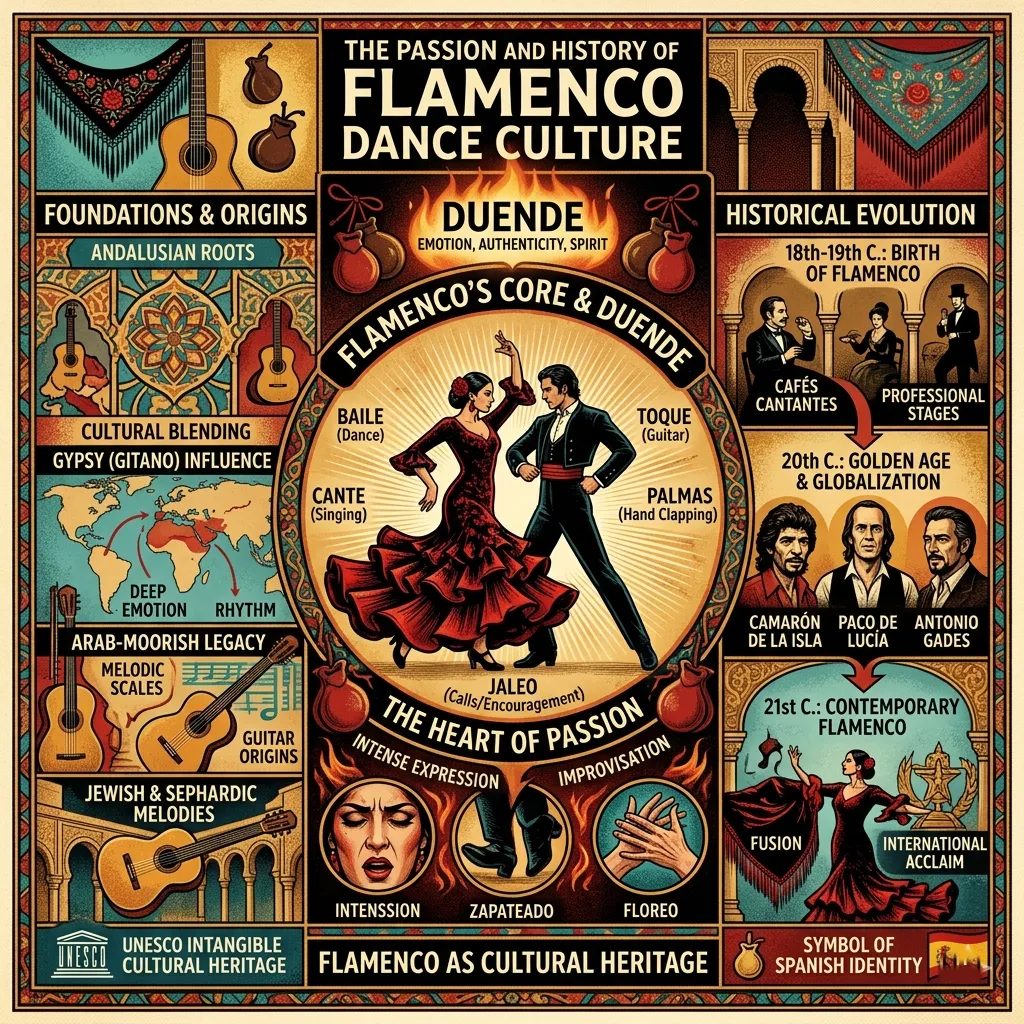
Originating from the sun-drenched landscapes of Andalusia, Spain, flamenco is a breathtaking art form that captures the depths of human emotion. This vibrant tradition is an intricate fusion of music, song, and rhythmic movement. When you witness authentic flamenco dance culture, you are watching centuries of history unfold on stage.
This post will explore the historical roots, core elements, and global impact of this remarkable art form. From its early days in private family gatherings to its modern recognition as a UNESCO Intangible Cultural Heritage, flamenco dance culture continues to captivate audiences worldwide. We will look closely at its unique components and enduring legacy, giving you a deep appreciation for the spirit of Andalusian life.
Historical Roots and Evolution
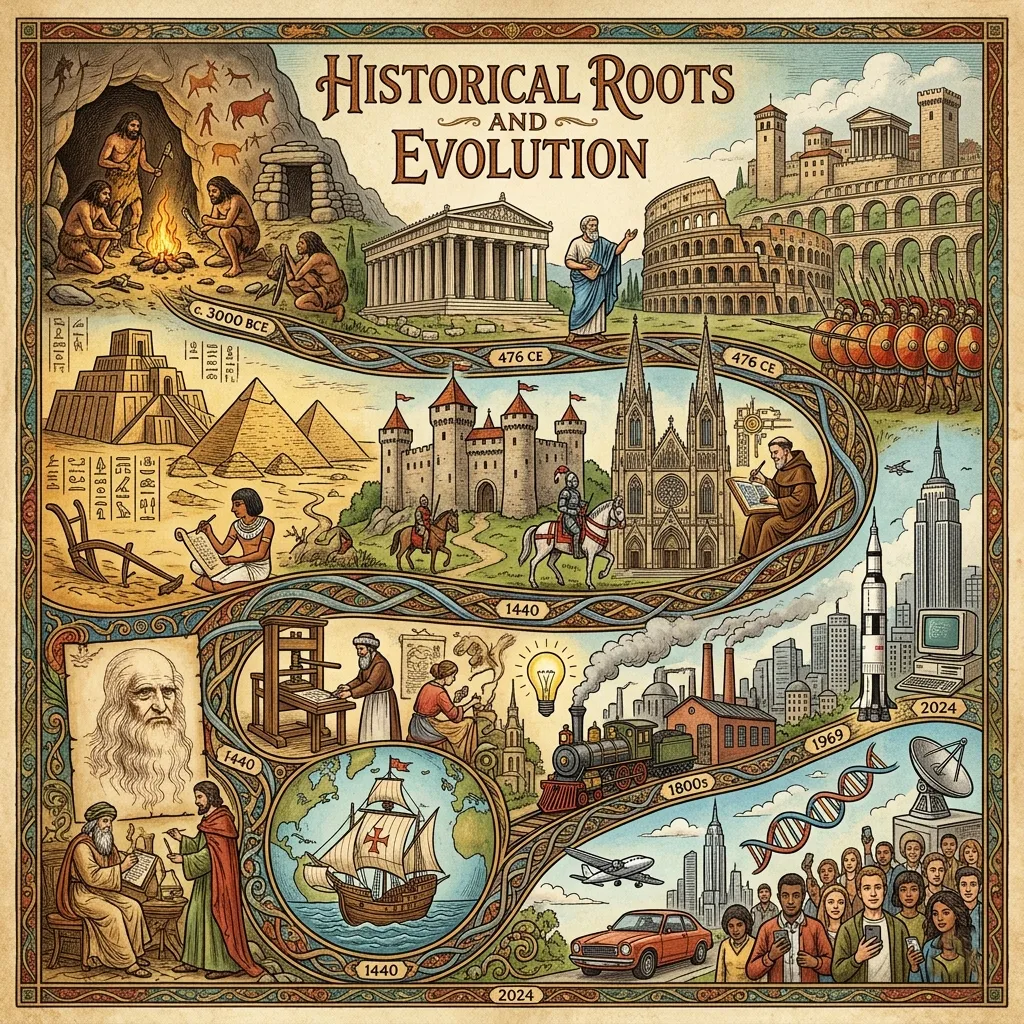
The Origins of a Cultural Melting Pot
The origins of flamenco dance culture can be traced back to Andalusia, a region in southern Spain known for its rich cultural diversity. Historically, this area was a melting pot where Moorish, Jewish, Christian, and Gitano (Romani) communities coexisted. The unique blend of these distinct musical traditions laid the foundational rhythms and melodies that would eventually become flamenco.
The Role of the Gitano People
The Gitano people arrived in Spain around the 15th century and played a vital role in shaping flamenco dance culture. Facing severe persecution and marginalization, the Gitanos used music and dance to express their profound sorrow, struggles, and resilient joy. They acted as both the preservers of ancient musical traditions and the primary innovators of the flamenco sound, passing down songs orally through generations.
Early Forms and Development
Initially, flamenco dance culture was a private affair. Performances took place in hidden gatherings, family courtyards, and small community circles. These intimate settings allowed for raw, unfiltered emotional expression. There was no stage and no formal audience. Community members would gather in a circle, singing a cappella and marking the rhythm with clapping and knuckles striking wooden tables.
The Golden Age of Flamenco
The mid-19th century sparked a massive transformation known as the Golden Age of Flamenco. The emergence of the café cantante (music cafes) brought flamenco dance culture out of private homes and into the public eye. These vibrant venues offered paid performances, prompting artists to formalize their techniques. Guitar accompaniment became standard, and dancers began showcasing highly technical footwork to entertain eager crowds.
The Core Elements of Flamenco
To truly understand flamenco dance culture, you must recognize its three fundamental pillars. Each plays an equal part in creating the intense atmosphere of a performance.
Cante (Song): The Soulful Voice
The cante, or song, is the absolute heart of flamenco dance culture. It carries the emotional weight of the performance.
- Palos (song forms): Flamenco songs are categorized into different styles called palos. Each palo represents a distinct rhythmic pattern and emotional spectrum. For instance, the soleá expresses deep sorrow and solitude, while the alegrías conveys joy and festivity.
- Famous Cantaores: Legendary singers, known as cantaores, have shaped the history of the music. Figures like Camarón de la Isla and Antonio Mairena pushed the boundaries of traditional singing, leaving a permanent mark on flamenco dance culture.
Baile (Dance): The Expressive Heart
The baile translates the emotion of the music into physical movement. It is the visual centerpiece of flamenco dance culture.
- Techniques: Dancers utilize a variety of complex movements. Zapateado refers to the percussive footwork that turns the dancer into a musician. Braceo involves the fluid, sweeping movements of the arms, while floreo highlights the intricate, expressive twirling of the hands and fingers.
- Evolution of Styles: Historically, male dancers focused heavily on powerful footwork, while female dancers emphasized graceful arm and hand movements. Today, modern flamenco dance culture encourages a fluid exchange of these techniques across genders.
- Iconic Performers: Trailblazing bailaores and bailaoras like Carmen Amaya, Antonio Gades, and Sara Baras have defined and elevated the art of flamenco dance globally.
Toque (Guitar): The Intricate Accompaniment
The toque, or guitar playing, originally served simply to support the singer. Over time, it evolved into a highly complex art form within flamenco dance culture.
- History: The flamenco guitar is lighter and produces a sharper, more percussive sound than a standard classical guitar.
- Key Techniques: Guitarists use specific techniques to achieve the signature flamenco sound. Rasgueado is a rapid strumming method using the back of the fingernails. Picado refers to fast, single-note scales, and arpeggio involves playing chords note by note.
- Renowned Guitarristas: Paco de Lucía revolutionized flamenco guitar, introducing new harmonies and elevating the instrument to a solo role on the world stage.
The Duende: The Spirit of Flamenco
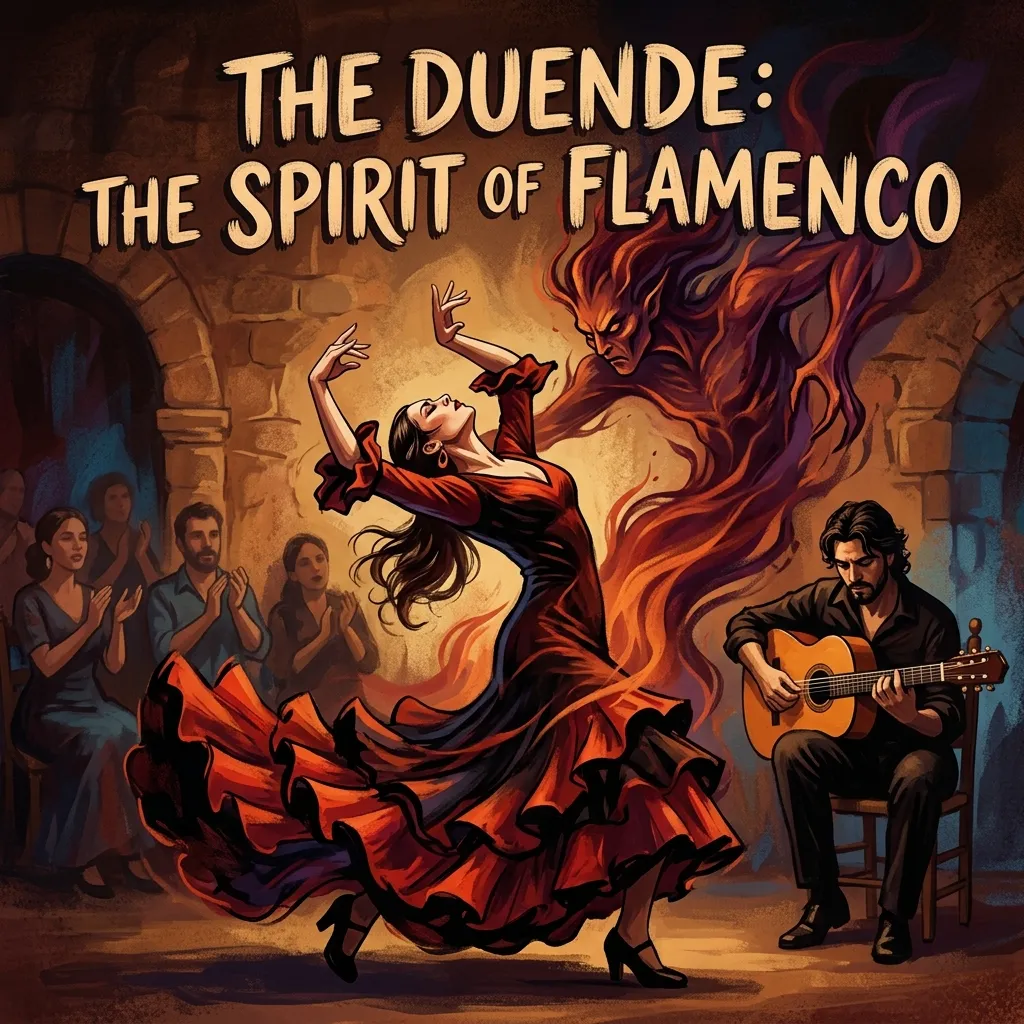
Defining Duende
You cannot truly explore flamenco dance culture without understanding duende. The term is deeply rooted in Spanish artistic tradition and was famously described by Federico García Lorca as a mysterious, almost supernatural force. Duende is not just emotion—it is a heightened state of expression where the performer channels something raw, primal, and deeply human. It is often associated with themes of struggle, mortality, longing, and passion, giving flamenco its intense emotional depth.
Unlike concepts such as inspiration or technique, duende is unpredictable. It appears in fleeting moments, transforming a performance into something unforgettable. It is the difference between a technically perfect routine and a performance that moves the audience to silence, tears, or spontaneous applause. In flamenco, duende is considered the soul of the art form—the invisible force that turns movement and music into a profound emotional experience.
Achieving Duende
Achieving duende is not something that can be taught in a traditional sense. A dancer may spend years mastering footwork, posture, and rhythm, but duende emerges only when the performer lets go of control. It requires vulnerability, courage, and a deep connection to the music, often rooted in personal experience and emotional truth.
Flamenco artists often describe duende as a moment when they are no longer “performing” but becoming the music itself. The dancer, the singer (cante), and the guitarist (toque) merge into a single expressive force. Imperfections may even enhance this moment, as authenticity becomes more powerful than precision. This is why some of the most memorable flamenco performances are not the most technically flawless, but the ones that feel the most real and emotionally charged.
The Audience’s Role
In flamenco dance culture, the audience is not a passive observer—they are an essential part of the performance. Through jaleo—encouraging shouts like “¡olé!” or “¡así se baila!”—and rhythmic hand clapping (palmas), the audience actively fuels the energy of the performer.
This interaction creates a powerful feedback loop. As the audience responds with enthusiasm and emotion, the performer is pushed deeper into their expression, increasing the likelihood of reaching duende. The atmosphere becomes electric, almost ritualistic, where boundaries between performer and audience dissolve. Everyone present becomes part of a shared emotional journey. find out more : Venice Cultural Canals
The Deeper Meaning of Duende
Beyond performance, duende reflects a broader philosophy of embracing life’s intensity—the beauty and pain intertwined in human existence. It is about confronting emotion honestly rather than masking it. This is why flamenco, particularly in its most traditional forms, often feels so raw and deeply moving.
Duende reminds us that true artistry is not just about skill, but about truth. It is the moment when art stops being a display and becomes an experience—one that lingers long after the music fades.
Flamenco’s Global Reach and Modern Adaptations
International Recognition
Flamenco dance culture has transcended its regional boundaries to become a global phenomenon. In 2010, UNESCO officially recognized flamenco as a Masterpiece of the Oral and Intangible Heritage of Humanity. Today, massive global tours bring authentic Spanish artists to theaters in Tokyo, New York, and London.
Fusion and Innovation
Art relies on evolution. Modern flamenco dance culture actively embraces fusion. Artists blend traditional rhythms with jazz, Latin music, and contemporary dance. Innovators like Rosalía have introduced flamenco aesthetics to mainstream pop, exposing younger generations to the Andalusian tradition.
Flamenco in Popular Culture
Flamenco aesthetics frequently appear in international films, contemporary music videos, and visual art. Directors like Carlos Saura have dedicated entire filmographies to capturing the essence of flamenco dance culture on screen, ensuring the art form reaches a broader cinematic audience.
Preserving and Promoting Flamenco Dance Culture
Schools and Conservatories
Passing on the tradition is essential for the survival of flamenco dance culture. Across Spain and the world, specialized flamenco schools and dance conservatories teach the rigorous techniques of baile, cante, and toque. These institutions ensure that the foundational rules remain intact even as the art form evolves.
Festivals and Competitions
Major festivals celebrate and sustain flamenco dance culture. The Bienal de Flamenco in Seville and the Festival de Jerez gather the greatest artists in the world. These events offer platforms for both seasoned masters and rising stars to present their craft to dedicated aficionados.
The Role of Cultural Institutions
Organizations like the Cristina Heeren Foundation work tirelessly to promote the study and conservation of flamenco. By offering scholarships and archiving historical recordings, they protect the heritage of flamenco dance culture for future generations.
Connecting Flamenco to Other Cultural Experiences
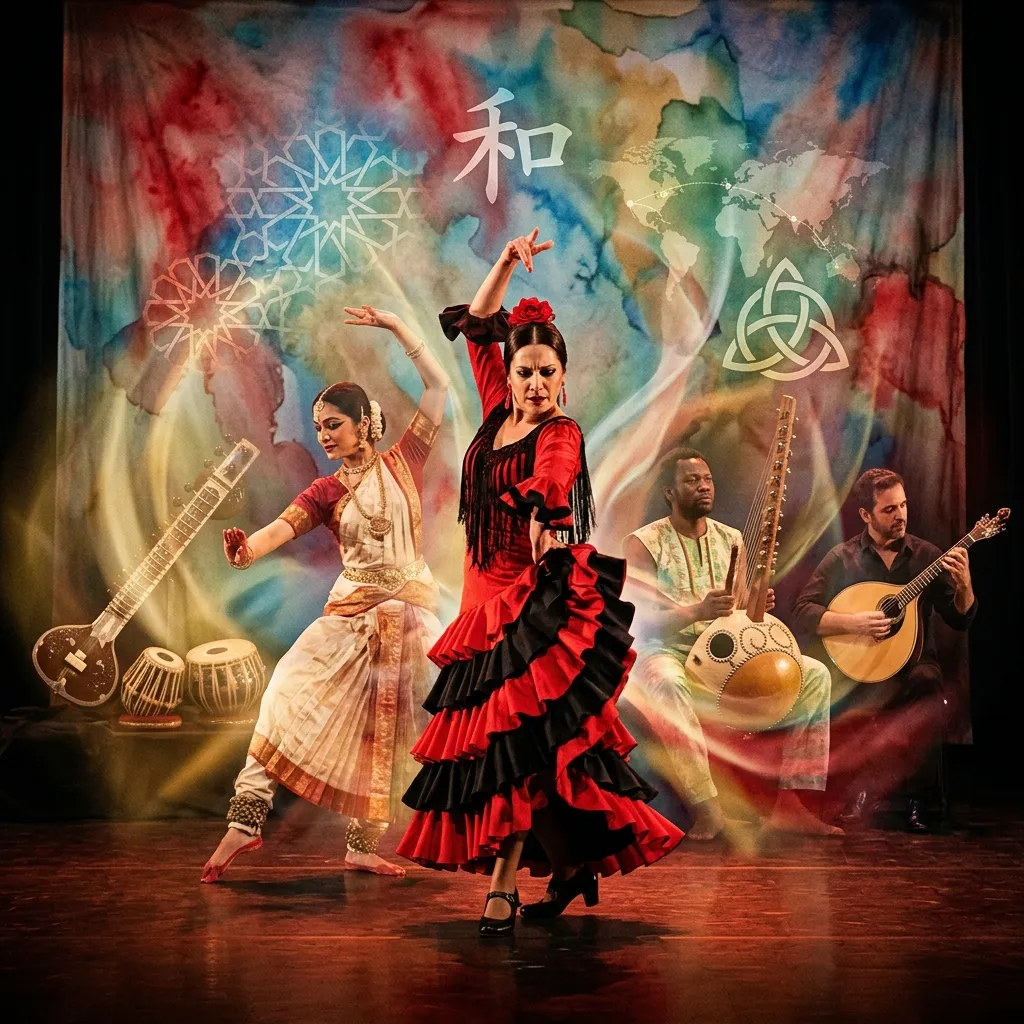
Exploring flamenco dance culture often inspires travelers to seek out other deeply rooted traditions worldwide.
Venice Cultural Canals
Just as flamenco preserves the complex history of southern Spain, the Venice Cultural Canals preserve the unique maritime heritage of northern Italy. Navigating these waterways offers a parallel experience in witnessing a historical way of life that relies on strict local customs and community preservation.
Tea Ceremony Culture
At first glance, the fiery passion of flamenco and the quiet stillness of Japanese Tea Ceremony Culture seem entirely different. Yet, they share a profound emphasis on discipline, tradition, and ritual. Both require years of intense study to master the subtle, highly structured movements that ultimately express a deeper philosophical meaning.
Sustainable Travel Tips
If you plan to visit Andalusia to experience flamenco dance culture, apply good Sustainable Travel Tips. Support small, locally owned tablaos rather than massive tourist traps. Respect the performers by refraining from flash photography, and contribute to the local economy by purchasing music and art directly from the creators.
The Enduring Legacy of an Andalusian Art
Flamenco dance culture remains one of the most powerful expressions of the human spirit. Born from marginalization and sorrow, it evolved into an international symbol of resilience, passion, and artistic brilliance. The precise footwork, the haunting cry of the singer, and the rapid strum of the guitar all weave together to form a cultural treasure.
The future of flamenco lies in its ability to balance strict tradition with fearless innovation. As new artists push the boundaries of the genre, the foundational soul of Andalusia remains unchanged. Seeking out this art form offers a profound reminder of how music and movement can connect us across continents and centuries.
Frequently Asked Questions (FAQs)
1. What is Flamenco?
Flamenco is a traditional Spanish art form comprising three main elements: song (cante), dance (baile), and guitar playing (toque). It is heavily associated with flamenco dance culture in the region of Andalusia.
2. Where did Flamenco originate?
It originated in Andalusia, a region in southern Spain, shaped heavily by the Moorish, Jewish, Christian, and Gitano cultures.
3. What are the three main components of Flamenco?
The three main components of flamenco dance culture are cante (singing), baile (dancing), and toque (guitar playing).
4. What is ‘Duende’ in Flamenco?
Duende is an untranslatable term referring to a heightened state of emotion, authenticity, and spontaneous expression that overtakes a performer.
5. Is Flamenco only about dance?
No. While the dance is visually striking, the song (cante) is traditionally considered the most important and emotional core of flamenco dance culture.
6. How is Flamenco different from other Spanish dances?
Unlike classical Spanish dance or regional folk dances, flamenco is characterized by intense emotional expression, percussive footwork, and a highly improvised structure rooted in the Gitano tradition.
7. Can anyone learn Flamenco?
Yes. While it is deeply rooted in Andalusian culture, people all over the world study flamenco dance culture in specialized schools and conservatories.
8. What is the significance of the flamenco guitar?
The guitar provides the complex harmonic and rhythmic foundation for the singers and dancers, eventually evolving into a respected solo instrument within flamenco dance culture.
9. How has Flamenco evolved over time?
It evolved from private, unaccompanied family gatherings into professional stage performances, eventually embracing modern musical fusions with jazz and contemporary pop.
10. Is Flamenco recognized internationally?
Yes. In 2010, UNESCO inscribed flamenco on the Representative List of the Intangible Cultural Heritage of Humanity.
11. How can I experience authentic Flamenco?
You can visit local peñas (flamenco clubs) or authentic tablaos in cities like Seville, Jerez, and Madrid to experience true flamenco dance culture.
12. What role does the audience play in a Flamenco performance?
The audience acts as active participants, offering rhythmic clapping (palmas) and vocal encouragement (jaleo) to help inspire the performers.



Leave a Reply