


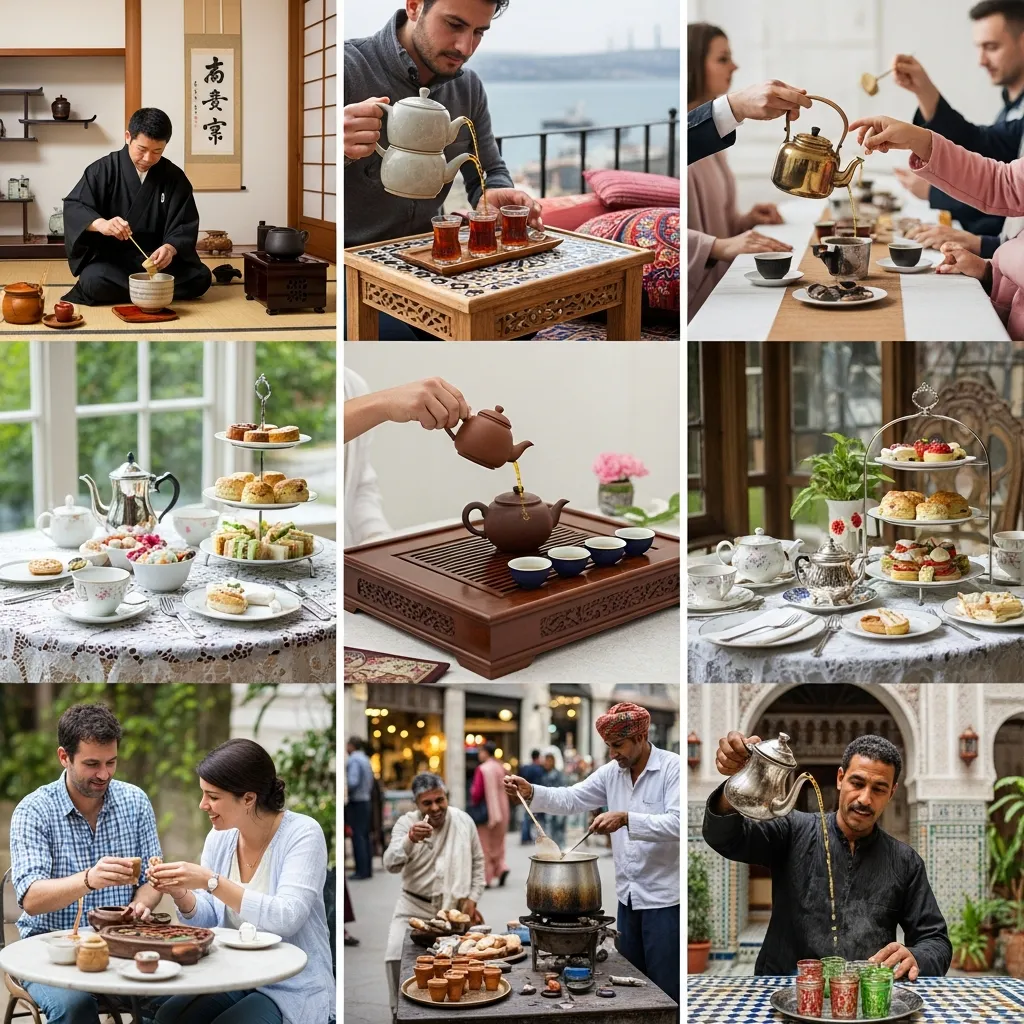
Tea ceremony culture represents a profound blend of history, art, and mindfulness that has captivated societies for centuries. At its core, a tea ceremony is much more than simply brewing and drinking a beverage. It is a highly choreographed ritual that emphasizes aesthetics, hospitality, and a deep connection to nature. By exploring the rich traditions of tea ceremony culture, we can uncover a world of tranquility and mutual respect that continues to resonate across the globe.
The importance of tea ceremony culture extends far beyond its regions of origin. Globally, these practices offer a deliberate pause from everyday routines, encouraging participants to focus entirely on the present moment. From the meticulous movements of a Japanese host to the robust social gatherings of British afternoon tea, the appreciation for steeped leaves unites diverse populations. As we explore the history, regional variations, and underlying philosophies of this tradition, the enduring power of tea ceremony culture becomes unmistakably clear.
Historical Background of Tea Ceremony Culture
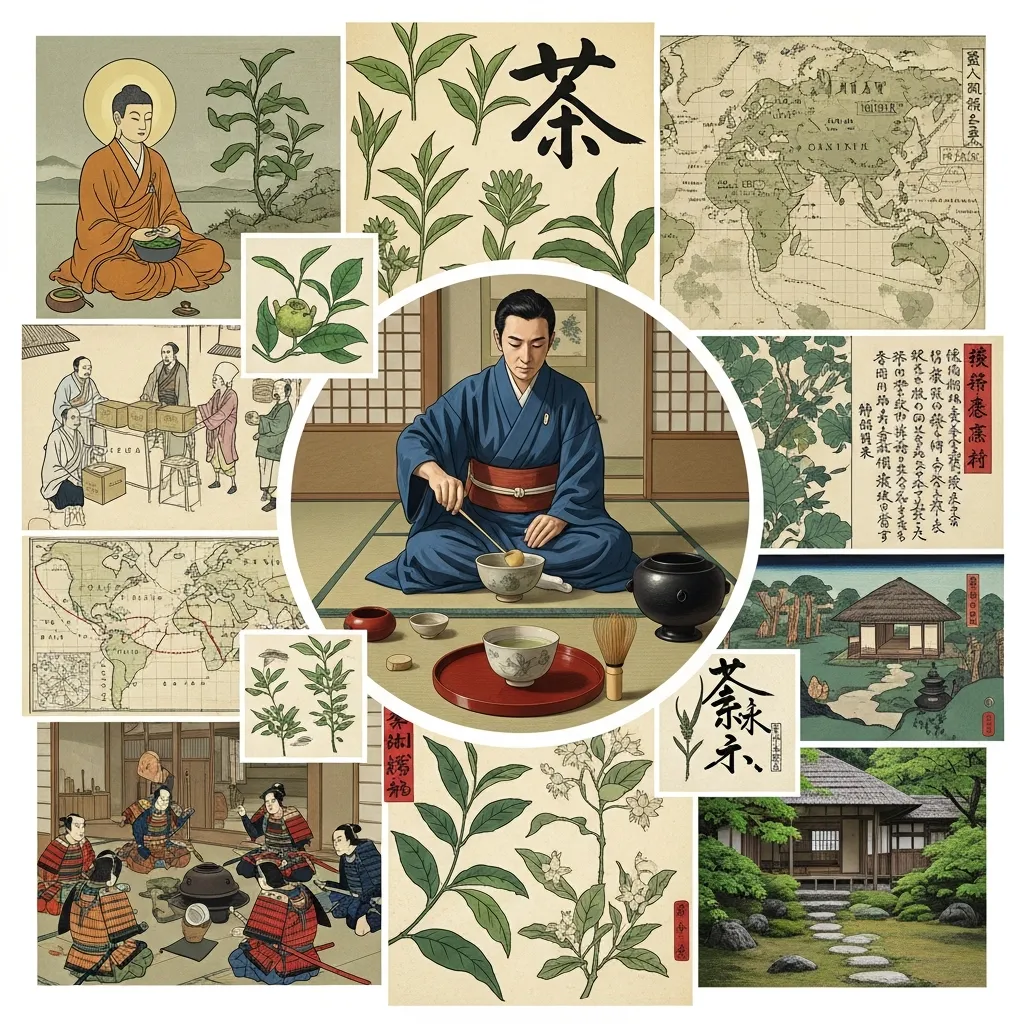
The origins of tea ceremony culture are deeply rooted in ancient China. Early records indicate that tea was initially consumed for medicinal purposes before evolving into a recreational beverage. During the Tang Dynasty, the preparation and consumption of tea became formalized. The renowned scholar Lu Yu wrote “The Classic of Tea,” which laid the foundational principles for tea preparation, elevating it to an art form.
As trade routes expanded, the evolution and spread of these practices reached Japan, Korea, and other neighboring regions. Buddhist monks traveling between China and Japan played a critical role in this cultural exchange. They brought back tea seeds and the accompanying rituals, integrating them into their monastic lives.
Over the centuries, key figures and dynasties shaped tea ceremony culture into what we recognize today. The Song Dynasty in China popularized whipped powdered tea, a method that heavily influenced Japanese traditions. Later, the Ming Dynasty shifted toward steeped loose-leaf tea, which birthed the Gongfu Cha method. Through these historical shifts, tea ceremony culture continuously adapted while maintaining its core reverence for the leaf.
Components of a Traditional Tea Ceremony
To truly appreciate tea ceremony culture, one must understand its essential components. The utensils used are never chosen at random; they hold immense significance. In Japanese traditions, items like the chawan (tea bowl), chasen (bamboo whisk), and natsume (tea caddy) are treated with the utmost respect. Each tool is carefully cleaned and presented, serving as an extension of the host’s hospitality.
The types of tea used also define the experience. Matcha, a finely milled green tea powder, is the centerpiece of the Japanese tea ceremony. Conversely, Chinese ceremonies often feature aromatic oolong, pu-erh, or sencha. The choice of tea dictates the water temperature, steeping time, and the specific utensils required for the ritual.
Equally important is the setting and ambiance. A traditional tea room is designed to minimize distractions. Often accompanied by a serene garden, the environment reflects the changing seasons and invites a sense of calm. This carefully curated atmosphere is a hallmark of tea ceremony culture, designed to foster deep reflection.
Regional Variations of Tea Ceremony Culture
Japanese Tea Ceremony (Chanoyu)
The Japanese tea ceremony, known as Chanoyu, is perhaps the most globally recognized form of tea ceremony culture. It is heavily influenced by Zen Buddhism and revolves around the philosophy of wabi-sabi—finding beauty in imperfection and impermanence. Another guiding principle is ichi-go ichi-e, meaning “one time, one meeting,” reminding participants to cherish the unrepeatable nature of the moment.
The steps and etiquette in Chanoyu are highly precise. Guests follow specific protocols for entering the tea room, admiring the utensils, and receiving the tea. Prominent schools of tea, such as Urasenke and Omotesenke, have preserved and passed down these distinct methods for generations, keeping Japanese tea ceremony culture alive and vibrant.
Chinese Tea Ceremony (Gongfu Cha)
In contrast, the Chinese tea ceremony, or Gongfu Cha, focuses heavily on the sensory experience of the tea itself. Gongfu translates to “making tea with skill.” This variation of tea ceremony culture features numerous regional styles and teas, with a strong emphasis on oolong from regions like Fujian and Guangdong.
The steps and presentation involve multiple short infusions in small clay teapots or gaiwans. The host carefully rinses the leaves and warms the cups, maximizing the aroma and flavor of the brew. The cultural significance of Gongfu Cha lies in its social nature; it is a way to show respect to elders, welcome guests, and celebrate family bonds.
Korean Tea Ceremony (Charye)
The Korean tea ceremony, or Charye, offers a more relaxed approach within the broader scope of tea ceremony culture. Historically, it developed as a religious ritual to honor ancestors and the Buddha. The rituals and practices are less rigid than their Japanese counterparts, emphasizing naturalness, ease, and a harmonious flow. The use of traditional Korean ceramics and locally grown green teas makes Charye a distinct and beautiful expression of hospitality.
Other Notable Tea Cultures
Tea ceremony culture is not limited to East Asia. The British afternoon tea, for example, is a cultural institution featuring tiered stands of sandwiches, scones, and black tea. Similarly, Turkish tea culture involves brewing strong black tea in a double teapot and serving it in tulip-shaped glasses, serving as a cornerstone of social interaction and hospitality.
Philosophy and Spiritual Aspects of Tea Ceremony Culture
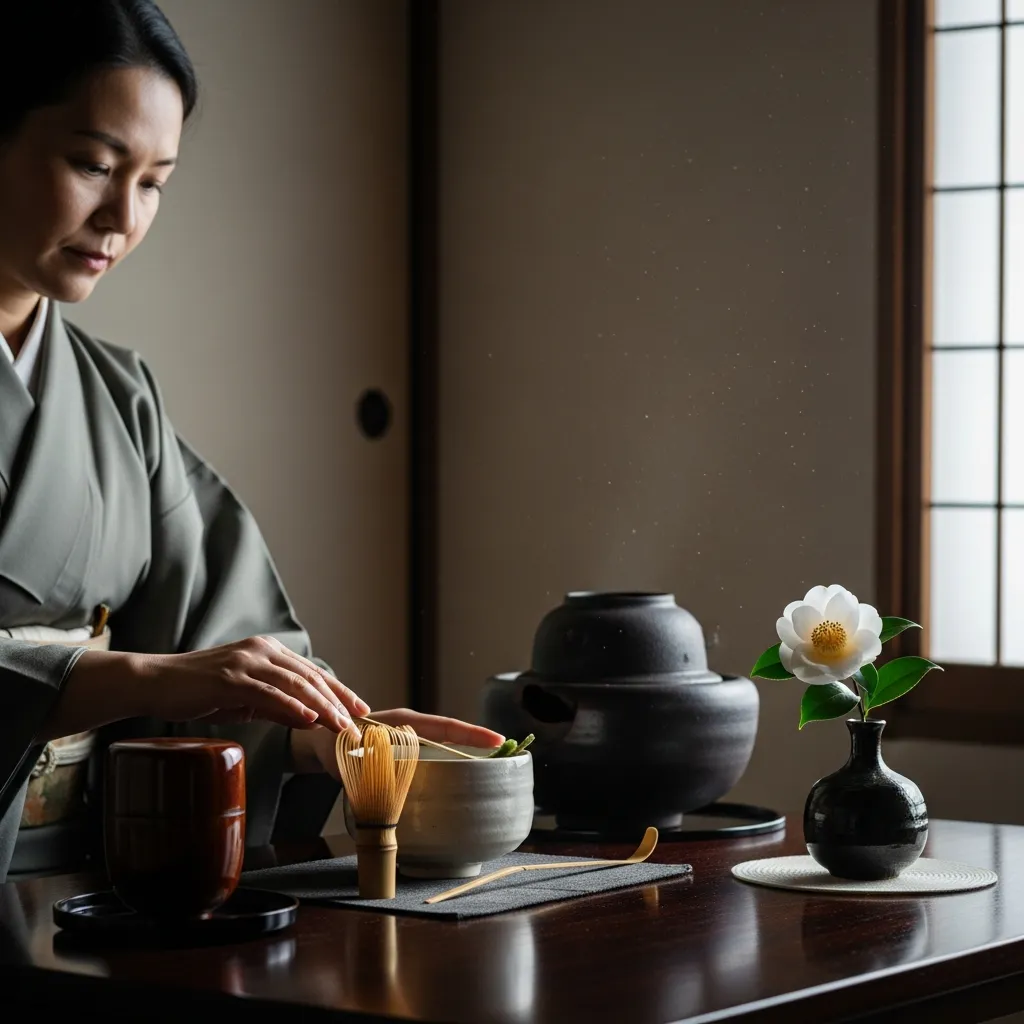
At the heart of tea ceremony culture lies a profound sense of mindfulness and meditation. The deliberate actions required to prepare and consume the tea force the mind to slow down. Practitioners focus entirely on the sound of boiling water, the scent of the leaves, and the warmth of the bowl.
The core principles often revolve around harmony, respect, purity, and tranquility. Harmony is established between the guests, the host, and the tools. Respect is extended to everyone present and the objects used. Purity implies a cleansing of the mind and the physical space, leading to ultimate tranquility.
Furthermore, a deep connection to nature and seasons is heavily emphasized. The choice of flowers, the scroll hanging in the alcove, and the seasonal sweets served all reflect the outside world. This grounds tea ceremony culture in the natural rhythms of the earth.
Social and Cultural Significance
Hospitality and guest-host relations are the bedrock of tea ceremony culture. The host spends hours preparing for the gathering, anticipating the needs of the guests. In return, the guests display gratitude and respect for the host’s efforts. This mutual appreciation fosters strong social bonds.
Art, aesthetics, and craftsmanship are also celebrated. The utensils used are often handmade works of art. Calligraphy, flower arrangement, and ceramics intersect within the tea room, making tea ceremony culture a comprehensive showcase of traditional arts.
Ultimately, this leads to profound community building and social rituals. Sharing tea is a universal gesture of friendship. Whether negotiating business or catching up with a friend, tea ceremony culture provides a structured yet intimate framework for human connection.
Modern Adaptations and Global Influence
Today, tea ceremony culture is experiencing a modern renaissance. Contemporary tea houses and cafes are introducing these ancient practices to new generations. While maintaining respect for tradition, many of these spaces offer a more accessible entry point for beginners.
There is also a fascinating fusion of traditional and modern practices. You might find matcha prepared with traditional whisks but served alongside innovative pastries. This evolution ensures that tea ceremony culture remains relevant.
The role of tea in global cultural exchange cannot be overstated. As people travel and share their heritage, the practices of Gongfu Cha, Chanoyu, and afternoon tea blend and inspire new traditions, proving that tea ceremony culture is a living, breathing art form.
How to Experience and Appreciate Tea Ceremony Culture
Attending a traditional ceremony is the best way to immerse yourself in tea ceremony culture. Many cultural centers, botanical gardens, and specialized tea houses offer guided experiences for novices.
Practicing at home is another excellent way to engage. Start with a simple setup: a good quality tea, a teapot or whisk, and a quiet space. Focus on the steps and the sensory details of the brewing process.
For those looking to deepen their knowledge, there are numerous resources for learning more. Books on tea history, online video tutorials, and local tea tasting groups can provide invaluable insights into the nuances of tea ceremony culture.
Honoring the Legacy of the Leaf
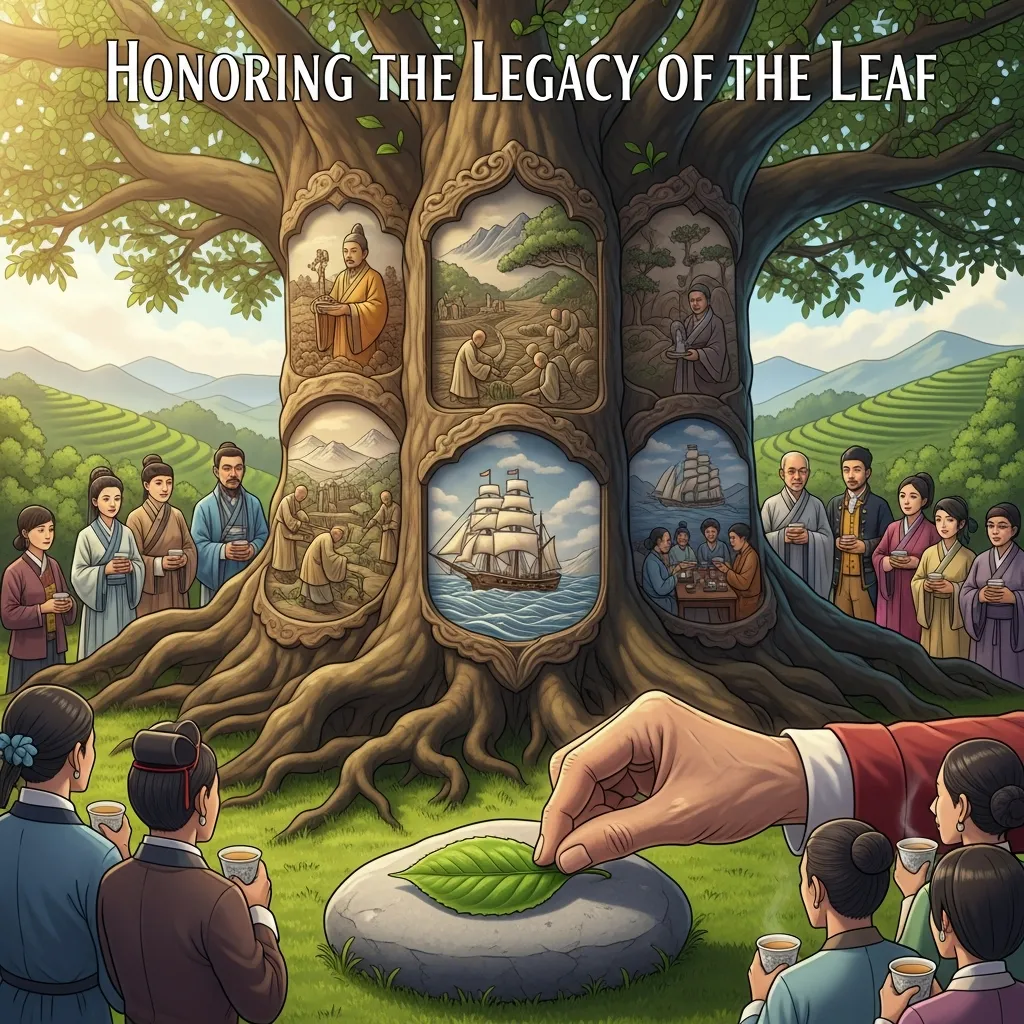
The enduring legacy of tea ceremony culture lies in its remarkable ability to unite people through a simple, mindful act. Whether it takes the form of an elaborate Japanese ritual, a highly skilled Chinese brewing session, or a quiet moment of reflection in your own kitchen, the principles of harmony and respect remain constant. By taking the time to understand and participate in tea ceremony culture, we do more than just enjoy a warm beverage. We engage in a centuries-old tradition that nourishes the soul, bridges cultural divides, and offers a much-needed sanctuary of peace in our modern lives.
Frequently Asked Questions about Tea Ceremony Culture
What is the main purpose of a tea ceremony?
The main purpose is to foster harmony, respect, and tranquility. It is an exercise in mindfulness, hospitality, and appreciating the fleeting beauty of the present moment.
How long does a traditional Japanese tea ceremony last?
A full formal Japanese tea ceremony (Chaji) can last up to four hours, including a meal. However, a simplified gathering (Chakai) typically lasts about 45 minutes to an hour.
What should I wear to a tea ceremony?
Modest, comfortable clothing is recommended. If attending a traditional Japanese ceremony, avoid wearing strong perfumes, heavy jewelry, or bright, distracting colors, as they can detract from the delicate ambiance.
Is it rude to talk during a tea ceremony?
It depends on the specific tradition. In a Japanese tea ceremony, conversation is usually limited to quiet admiration of the utensils and tea. In Chinese tea ceremony culture, conversation flows more freely.
Can anyone participate in a tea ceremony?
Yes! While certain formal events may require prior knowledge of etiquette, many tea houses offer beginner-friendly ceremonies designed to educate and welcome newcomers into tea ceremony culture.
What is the significance of matcha in Japanese tea ceremonies?
Matcha is a powdered green tea that is consumed entirely, meaning the drinker ingests the whole leaf. It requires precise preparation and is deeply tied to Zen Buddhist practices of mindfulness and focus.
What are the key differences between Chinese and Japanese tea ceremonies?
Japanese tea ceremony culture is highly choreographed, focusing on Zen philosophy, matcha, and strict etiquette. Chinese tea ceremony culture (Gongfu Cha) is more relaxed, focusing heavily on the flavor profile of steeped teas like oolong.
How do I prepare for my first tea ceremony?
Approach it with an open mind and a calm demeanor. Follow the host’s lead, turn off your mobile devices, and focus on the sensory experience of the environment and the tea.
What is ‘wabi-sabi’ in the context of tea ceremony culture?
Wabi-sabi is a Japanese aesthetic philosophy that finds beauty in things that are imperfect, impermanent, and incomplete. This is often reflected in the rustic, asymmetrical pottery used during the ceremony.
Are there specific greetings or farewells in a tea ceremony?
Yes. In Japanese tea ceremony culture, guests often bow to the host and to each other as a sign of deep respect. Specific phrases expressing gratitude are also commonly used.
What types of food are served with tea ceremonies?
Traditional sweets are almost always served before the tea to balance its bitterness. In Japan, these are called wagashi. Formal ceremonies may also include a multi-course seasonal meal.
How has tea ceremony culture evolved over time?
While the core philosophies remain intact, tea ceremony culture has evolved to include modern brewing technologies, fusion recipes, and a more globalized community of practitioners who adapt the rituals to fit contemporary lifestyles.



Leave a Reply