


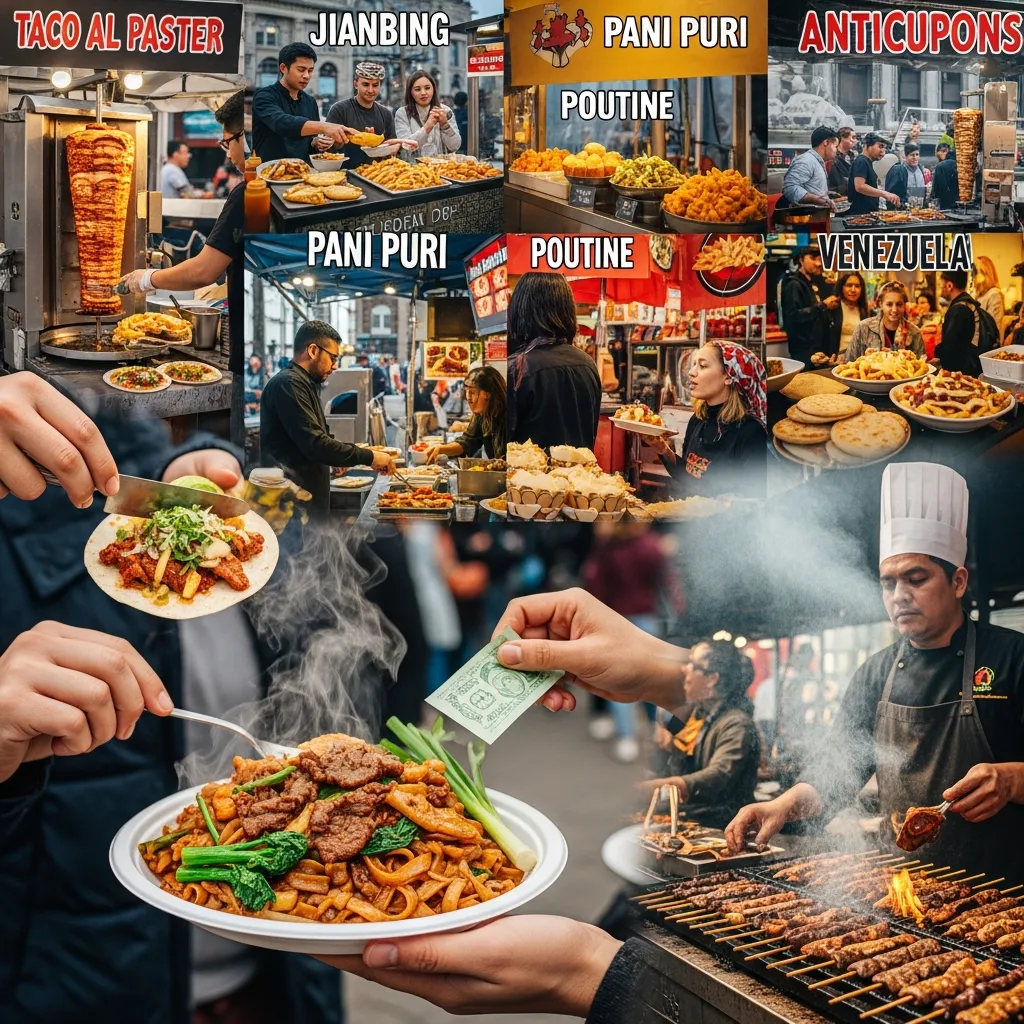
This street food cultural guide highlights the undeniable power of roadside cuisine. Street food is far more than a quick meal; it is a vital expression of community identity, history, and economic resilience. By participating in Local Market Cultural Experiences, you actively engage with the Relationship Between Food and Culture. The next time you travel, skip the formal dining room. Step out onto the pavement, follow the aroma of roasting spices, and taste the true heart of the city.
Walking through a vibrant city, the first thing that often captures your attention is the smell of food cooking over an open flame. The universal appeal of eating from a street cart goes far beyond simply satisfying hunger. A comprehensive street food cultural guide reveals how these curbside meals act as a direct gateway to understanding local culture, history, and social dynamics.
By observing what people eat on the sidewalks, you uncover a community’s core identity. Street vendors preserve ancient traditions while constantly adapting to modern tastes. This street food cultural guide will show you exactly how these meals reflect community values, historical migrations, and unique local flavors. You will learn how to navigate bustling food stalls, appreciate the deep relationship between food and culture, and confidently embark on your own culinary adventures.
The Relationship Between Food and Culture: A Global Perspective
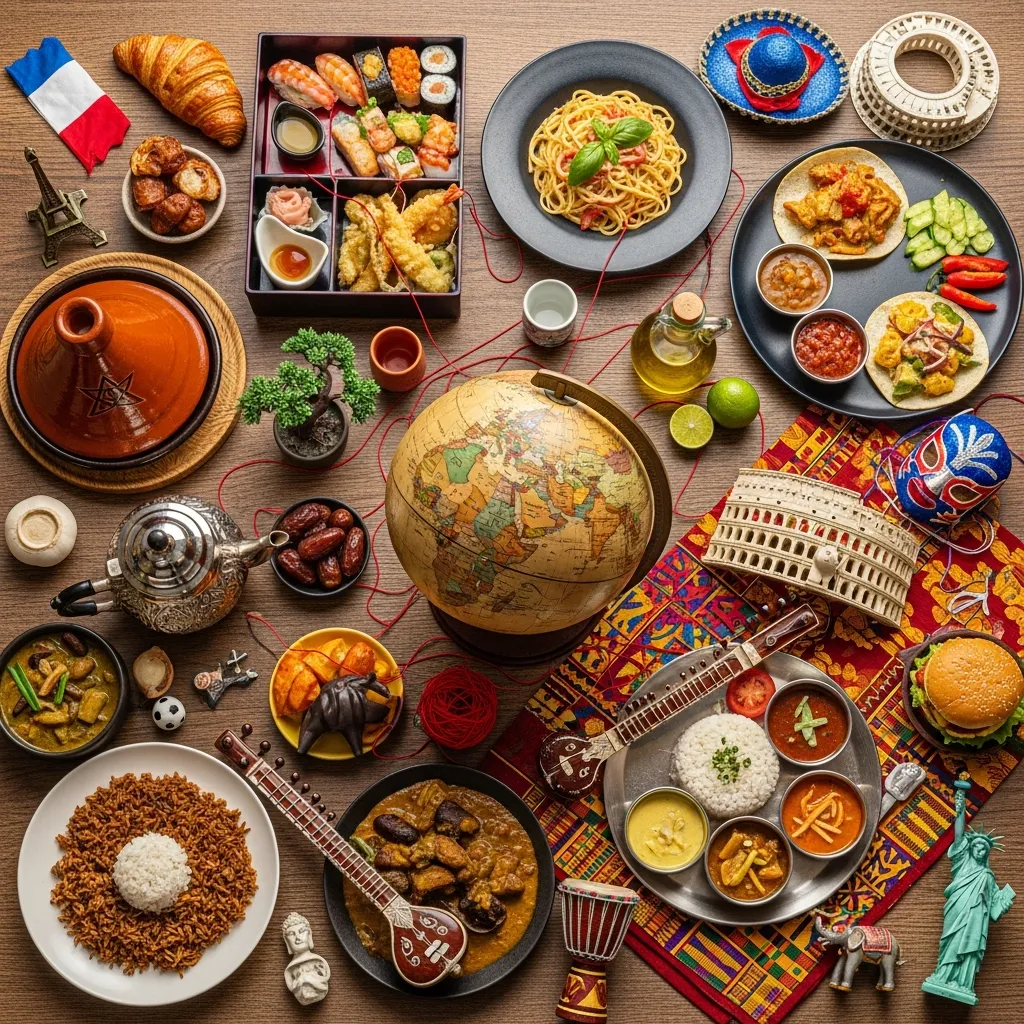
Food culture encompasses the practices, attitudes, and beliefs that communities hold regarding what they eat. The Relationship Between Food and Culture is incredibly profound, acting as a mirror for a society’s agricultural landscape and historical influences. Food is never just sustenance. It represents a shared language that unites people across different backgrounds.
Street food, in particular, embodies local culinary traditions perfectly. It takes complex, time-honored recipes and makes them accessible to the masses. Vendors often pass down their techniques through generations, preserving the authentic flavors of their ancestors. When you use a street food cultural guide to explore a new city, you see firsthand how a simple dish carries the weight of a nation’s history.
Different cultures showcase highly unique street food practices. In Japan, Yatai (mobile food stands) offer a quiet, intimate space for late-night ramen. Meanwhile, in Mexico, vibrant taco stands serve as lively gathering spots for people from all walks of life. These differences highlight how the Relationship Between Food and Culture manifests physically on the streets of the world.
Deeper Dive: Local Market Cultural Experiences
To truly appreciate urban culinary scenes, one must embrace Local Market Cultural Experiences. Street food markets are the beating hearts of cities. They offer a bustling atmosphere filled with shouting vendors, sizzling pans, and the rich aromas of spices. These markets play a crucial social role. They are places where neighbors catch up, workers grab a quick lunch, and tourists experience the authentic pulse of the community.
Navigating a street food market like a local requires a bit of observation. A good street food cultural guide always recommends looking for stalls with the longest lines of locals. A long line is the universal sign of quality, freshness, and authentic flavor. Watch how residents order, pay, and eat. Adopting their habits will help you blend in and gain the respect of the vendors.
Local Market Cultural Experiences also highlight the importance of native ingredients. Street vendors rely on what is fresh, seasonal, and readily available in their immediate region. This reliance on local agriculture naturally promotes sustainable practices. By eating from these stalls, you are supporting local farmers and reducing the carbon footprint associated with imported restaurant ingredients.
Street Food as a Reflection of History and Identity
Tracing the historical roots of popular street foods reveals fascinating stories of human movement. A thorough street food cultural guide examines how historical events shape modern menus. Many beloved roadside snacks originated as cheap sustenance for working-class laborers during periods of rapid industrialization. Over time, these affordable meals evolved into celebrated national dishes.
Migration and cultural exchange have fundamentally shaped street food landscapes globally. When people move, they bring their recipes with them. The Vietnamese Banh Mi is a perfect example, combining French baguettes with native Vietnamese herbs and meats. This blending of ingredients tells a distinct story of colonial history and local adaptation.
Furthermore, street food plays a massive role in celebrating national and regional identity. Sharing a traditional curbside meal fosters a deep sense of pride among locals. It serves as an edible flag, showcasing the unique flavors and culinary ingenuity of a specific region to anyone willing to take a bite.
Exploring Regional Street Food Specialties
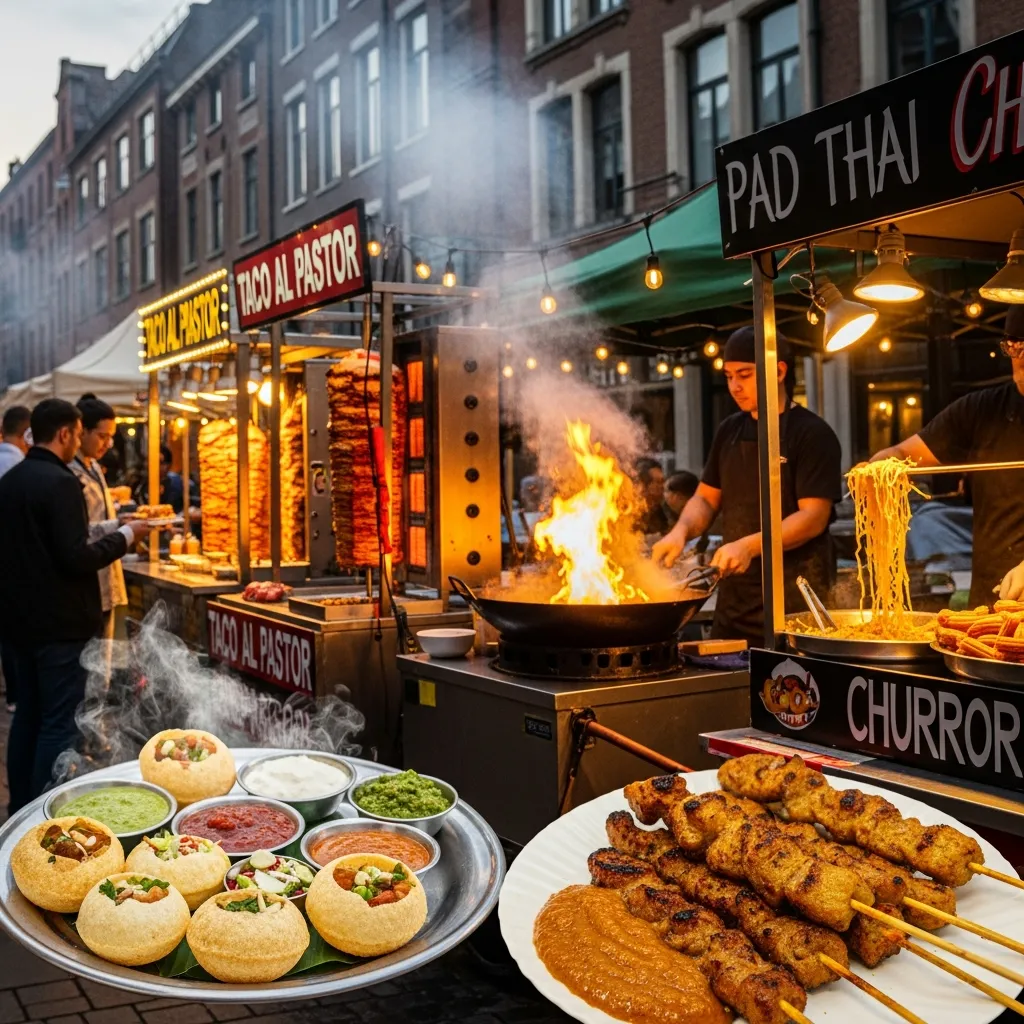
A global street food cultural guide is incomplete without examining the distinct specialties that define different continents. Every region offers unique flavors, cooking methods, and communal eating habits.
Asia
Asia is often considered the street food capital of the world. In Thailand, vendors serve piping hot Boat Noodles directly from small canals or bustling sidewalks. India offers Chaat, a complex mixture of sweet, sour, spicy, and crunchy elements that perfectly encapsulates the vibrant energy of Indian markets. These dishes highlight the Asian philosophy of balancing diverse flavor profiles.
Latin America
Latin American street food is hearty, vibrant, and incredibly diverse. Mexican Tacos al Pastor feature pork marinated in complex spices and cooked on a vertical spit, a technique brought over by Lebanese immigrants. Colombian Arepas provide a comforting, cheesy cornmeal staple, while Peruvian Ceviche offers a bright, acidic, and incredibly fresh seafood experience right on the street corner.
Europe
European street food often features comforting, deeply traditional items. Germany is famous for its Bratwurst, served hot off a grill with sharp mustard. Italy offers Arancini, delicious fried rice balls stuffed with ragu and cheese, originating as a clever way to use leftover risotto. In France, the delicate art of making Crêpes is performed daily on street corners, offering both sweet and savory treats.
Africa
The African continent boasts bold spices and communal eating traditions. A street food cultural guide to Morocco must include the rich, slow-cooked flavors of Tagine. Ethiopia offers crispy Samosas filled with spiced lentils or meats. In Nigeria, the smoky, peanut-spiced skewers known as Suya dominate the night markets, drawing crowds with their irresistible aroma.
North America
North American street food reflects its history as a melting pot. The classic New York Hot Dog remains an iconic symbol of fast, urban dining. Today, diverse Food Trucks dominate cities like Los Angeles and Austin, offering everything from Korean BBQ tacos to gourmet grilled cheese, showcasing the constant innovation of the American culinary scene.
The Social and Economic Impact of Street Food
Beyond flavor, a street food cultural guide must acknowledge the profound social and economic impact of these micro-businesses. Street food provides a vital livelihood for millions of vendors and their families worldwide. It offers a low-barrier entry into entrepreneurship for individuals who might lack the capital to open a brick-and-mortar restaurant.
Street food also plays a significant role in urban regeneration and tourism. Vibrant food stalls can transform neglected alleyways into thriving cultural hubs, attracting both locals and international visitors. This influx of foot traffic benefits surrounding businesses and boosts the local economy.
However, vendors face significant challenges. Navigating complex city regulations, securing permits, and dealing with unpredictable weather require immense resilience. Supporting these vendors means supporting the economic backbone of the working class.
Becoming a Savvy Street Food Explorer
Using a street food cultural guide effectively means learning how to explore safely and respectfully. Finding the best stalls requires stepping slightly off the main tourist paths. Follow the crowds of office workers during lunch hours, or ask a local taxi driver for their favorite late-night spot.
Food safety is a common concern, but choosing wisely mitigates most risks. Always look for high turnover. If food is cooked to order right in front of you, it is generally safe to eat. Avoid pre-cooked items sitting at room temperature, and ensure the vendor’s cooking station appears organized and clean.
Finally, observe etiquette and cultural sensitivities. In some countries, eating while walking is considered rude. In others, haggling over the price of a prepared meal is deeply offensive. Pay attention to how the locals behave, carry small cash denominations, and always offer a smile to the person cooking your meal.
Your Next Culinary Adventure
The profound connection between street food and culture is waiting to be explored. These curbside cooks are the true guardians of a nation’s culinary heritage. We encourage you to use this street food cultural guide as your roadmap. Step out of your comfort zone, support local vendors, and embark on your own flavorful journey through the streets of the world.Top Culinary Travel Experiences
Frequently Asked Questions – Street Food Cultural Guide
1. What is a Street Food Cultural Guide?
A Street Food Cultural Guide is a detailed resource that explores the history, traditions, and social importance of street food in different cultures. It helps travelers not only find popular dishes but also understand the cultural meaning behind them, making the food experience more authentic and meaningful.
2. Why is the Relationship Between Food and Culture important in a Street Food Cultural Guide?
In any Street Food Cultural Guide, the Relationship Between Food and Culture plays a central role. It reveals how local ingredients, traditions, and social customs shape what people eat. Street food becomes a reflection of a community’s identity, history, and daily life.
3. How do I find the best Local Market Cultural Experiences through a Street Food Cultural Guide?
A good Street Food Cultural Guide recommends exploring markets beyond tourist hotspots. Ask locals for suggestions, look for busy stalls with long lines, and visit areas where residents actually shop. These Local Market Cultural Experiences often offer the most authentic flavors.
4. Is street food safe to eat according to a Street Food Cultural Guide?
Yes, most Street Food Cultural Guide tips confirm that street food is safe when you follow basic precautions. Choose vendors with high customer turnover, watch food being cooked fresh, and pay attention to cleanliness and hygiene practices.
5. What is the most famous street food in Asia in a Street Food Cultural Guide?
A Street Food Cultural Guide often highlights iconic Asian dishes such as Thai Pad Thai, Japanese Takoyaki, and Indian Chaat. These foods are not only delicious but also deeply rooted in their respective cultures.
6. How does street food impact the local economy in a Street Food Cultural Guide?
According to any Street Food Cultural Guide, street food plays a major role in supporting local economies. It creates jobs, supports farmers and suppliers, and attracts tourists, contributing significantly to community development.
7. Can street food accommodate dietary restrictions in a Street Food Cultural Guide?
Yes, a Street Food Cultural Guide often points out that many vendors cook food fresh to order, making it easier to adjust ingredients. With clear communication, travelers can find vegetarian, vegan, or gluten-free options in many regions.
8. What role did migration play in street food according to a Street Food Cultural Guide?
A Street Food Cultural Guide explains that migration has greatly influenced street food. As people moved across regions, they brought new ingredients and cooking styles, leading to unique fusion dishes that define modern street food culture.
9. How should I behave at a street food market based on a Street Food Cultural Guide?
Following a Street Food Cultural Guide, it’s important to observe local behavior. Watch how people order, stand in line, and eat. Carry small cash, avoid blocking busy paths, and always respect vendors and their workspace.
10. Why is street food cheaper than restaurant food in a Street Food Cultural Guide?
A Street Food Cultural Guide explains that street vendors operate with lower costs. Without expensive rent, large staff, or heavy marketing, they can offer affordable yet high-quality food to customers.
11. What is a good beginner street food to try according to a Street Food Cultural Guide?
For beginners, a Street Food Cultural Guide often suggests starting with familiar options like Mexican tacos or French crêpes. These are easy to eat, widely available, and provide a great introduction to street food culture.
12. How does street food promote sustainability in a Street Food Cultural Guide?
A Street Food Cultural Guide highlights sustainability as a key benefit. Many vendors source fresh, local ingredients daily, reducing transportation emissions and supporting local agriculture, which helps promote eco-friendly food practices.



Leave a Reply