


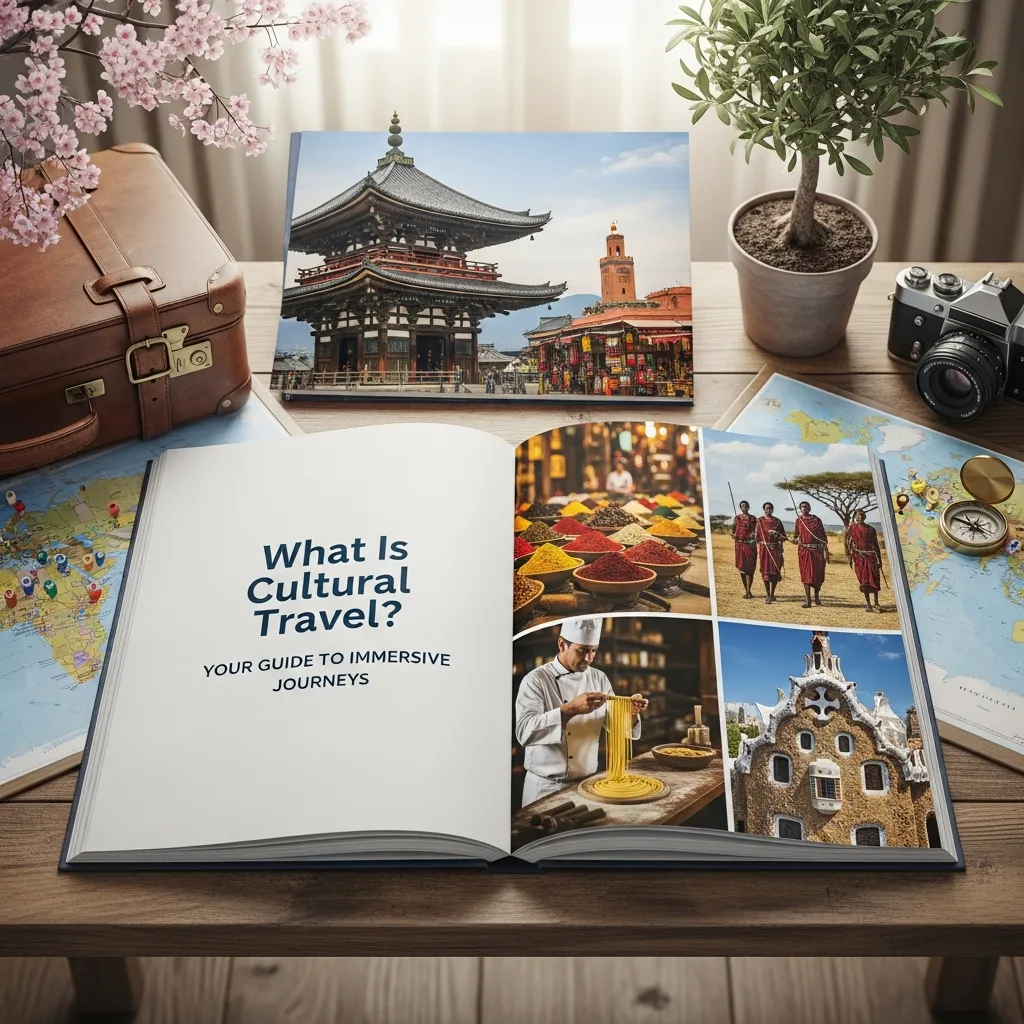
You pack your bags, board a flight, and arrive in a new country. But instead of rushing to the nearest famous monument to snap a quick photo, you find yourself sitting in a local family’s kitchen, learning how to roll authentic pasta or weave a traditional textile. You are participating in something much deeper than a standard vacation. You might be asking yourself, exactly what is cultural travel?
At its core, cultural travel is the act of exploring a destination specifically to engage with its heritage, people, art, and customs. It shifts the focus from merely seeing a place to truly experiencing it. A short summary of cultural travel is this: it is tourism centered on authentic cultural immersion and learning. Instead of checking items off a generic bucket list, you seek to understand the daily lives, history, and traditions of the communities you visit.
Understanding why cultural travel matters in modern tourism is essential for any modern explorer. As globalization makes our cities look increasingly similar, preserving and celebrating distinct regional identities has become crucial. The rise of experiential travel highlights a collective desire among tourists to connect on a human level. People want stories, not just souvenirs. If you want to know what is cultural travel and how it can transform your next trip, this comprehensive guide covers everything you need to know.
Defining Cultural Travel: Beyond Sightseeing
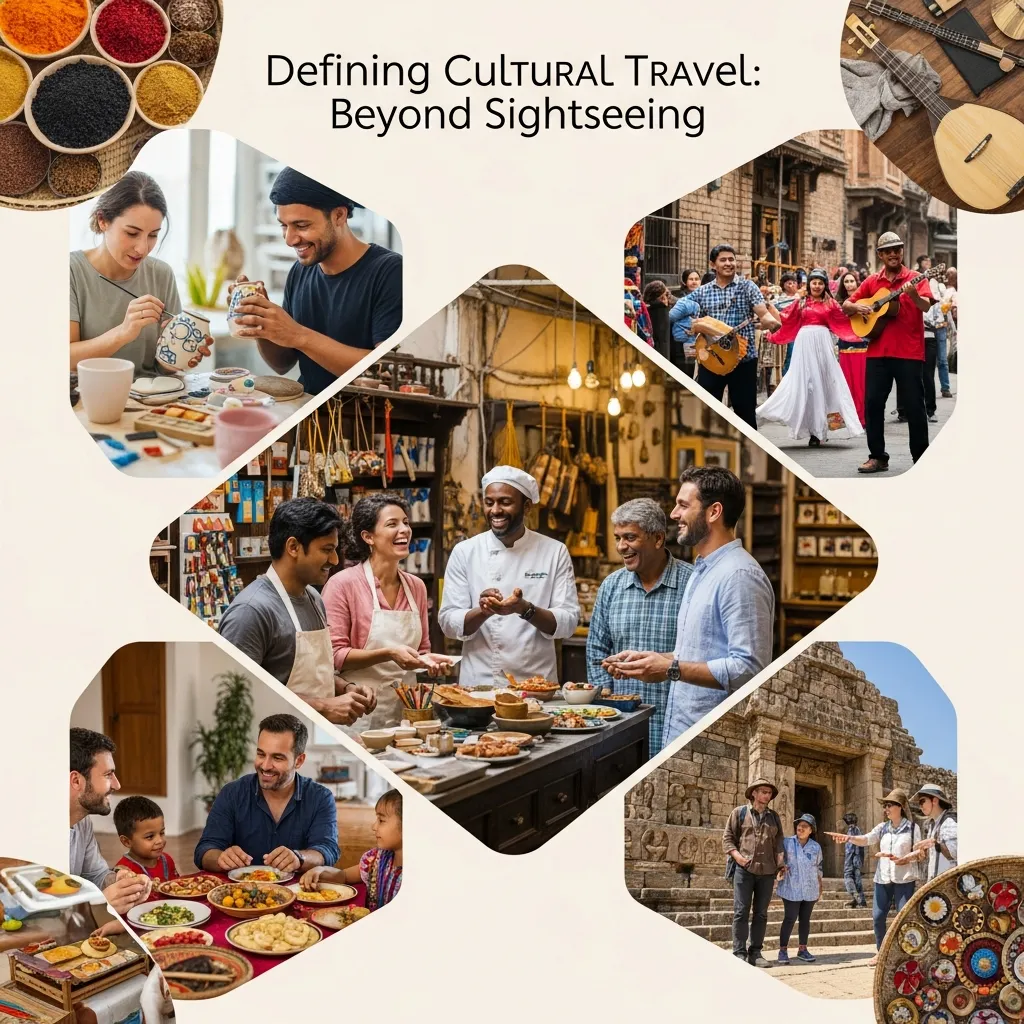
To fully answer the question of what is cultural travel, we have to look past standard sightseeing. It requires an active participation in the environment.
Core Principles of Cultural Travel
Cultural travel rests on curiosity, respect, and engagement. It requires an open mind and a willingness to step outside your comfort zone. The main goal is education and connection. You learn about the values that shape a society, whether through its architecture, religion, or daily rituals.
Distinguishing Cultural Travel from Traditional Tourism
Traditional tourism often keeps the traveler in a bubble. You stay in an international hotel chain, eat familiar food, and visit sanitized tourist traps. Cultural travel breaks that bubble. When you ask what is cultural travel, the answer lies in the interaction. It involves eating at neighborhood cafes, using local transport, and engaging in conversations with residents.
The Role of Authenticity and Immersion
Authenticity is the heartbeat of cultural travel. It means seeking out experiences that represent the true lifestyle of a destination rather than a staged performance. Immersion requires time. You linger in a market, observe a religious ceremony quietly, and allow the rhythm of the destination to dictate your schedule.
Cultural Travel Examples Around the World
To truly grasp what is cultural travel, looking at specific types of journeys helps. Here are some incredible cultural travel examples around the world.
Historical and Heritage Tours
Walking through the ancient ruins of Rome, exploring the Acropolis in Athens, or wandering the historic temple districts of Kyoto allows travelers to connect with the past. These tours help you understand how ancient civilizations built the foundations of modern societies.
Artistic and Creative Journeys
Art is a profound expression of culture. A trip to Florence to study Renaissance art, a visit to Paris to explore impressionism, or walking through the vibrant street art neighborhoods of New York are all excellent examples of cultural exploration.
Culinary Expeditions
Food tells the story of a region’s history, agriculture, and struggles. Culinary expeditions in Thailand, Mexico, or Italy offer a direct taste of the local culture. Learning how to balance flavors in a Bangkok kitchen or grinding cacao in Oaxaca shows you exactly what is cultural travel.
Spiritual and Wellness Retreats
Many cultures have deep-rooted spiritual practices. Visiting an ashram in India or participating in a traditional water purification ceremony in Bali offers insight into the spiritual framework that guides local communities.
Indigenous and Community-Based Tourism
Connecting with indigenous populations, such as taking a guided ecological tour in the Amazon or visiting Maasai villages in Kenya, provides a rare glimpse into ways of life that have been sustained for centuries.
Unique Cultural Experiences to Try
When planning your itinerary, you should prioritize unique cultural experiences to try. These activities bridge the gap between tourist and participant.
Participating in Local Festivals and Celebrations
Festivals are concentrated bursts of cultural expression. Whether it is celebrating Diwali in India, Dia de los Muertos in Mexico, or Oktoberfest in Germany, festivals allow you to celebrate alongside locals.
Learning Traditional Crafts or Skills
Taking a pottery class in Morocco or learning calligraphy in Japan connects you with the artisanal heritage of a region. It also ensures traditional skills are valued and preserved.
Engaging in Homestays or Community Stays
Staying with a local family is perhaps the most direct way to experience a culture. You see how homes are run, share family meals, and engage in everyday conversations that no guidebook can provide.
Exploring Local Markets and Bazaars
A city’s market is its living room. Engaging in local market cultural experiences—like navigating the labyrinth of the Grand Bazaar in Istanbul or the floating markets of the Mekong Delta—immerses you in the local economy, language, and social dynamics.
Attending Cultural Performances and Workshops
Watching a flamenco dance in Andalusia or a traditional puppet show in Vietnam offers a window into the storytelling traditions of a community.
Cultural Immersion Travel Guide: How to Dive Deeper
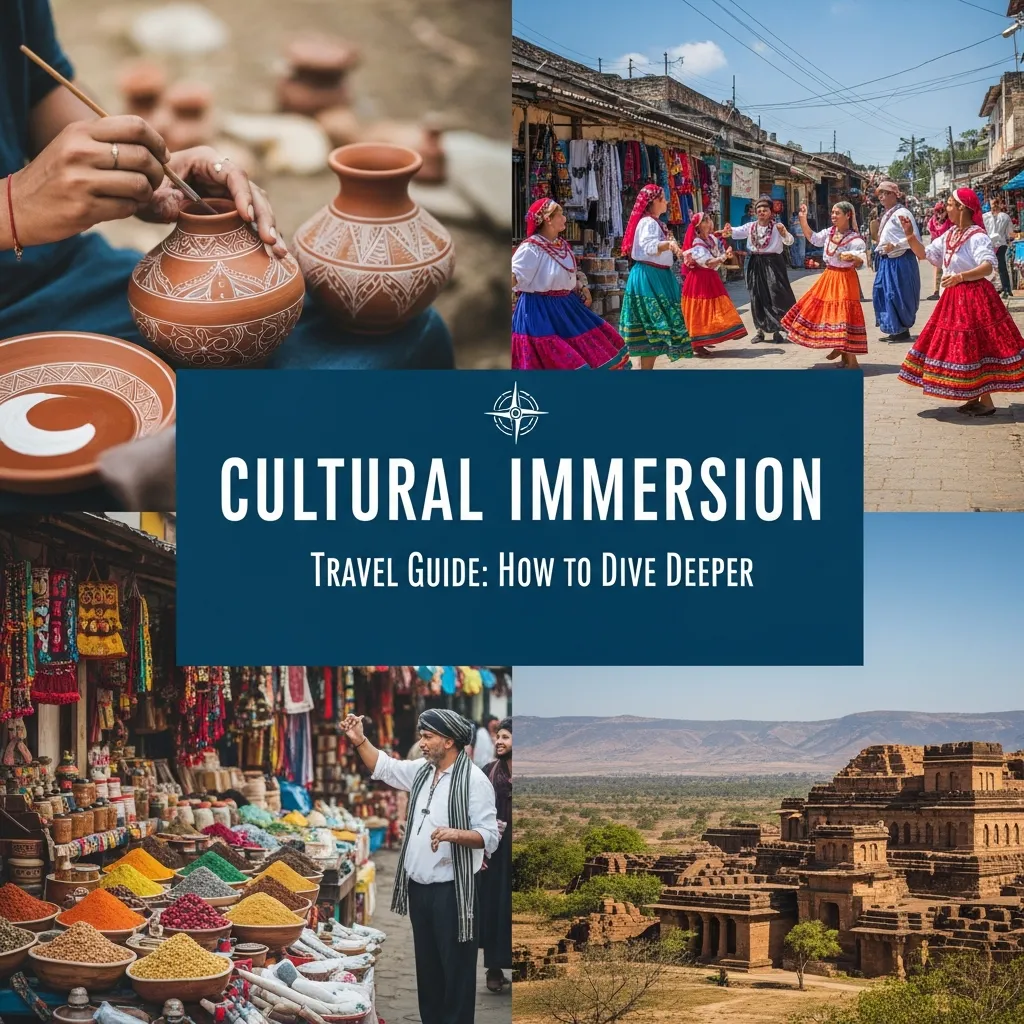
To get the most out of your trip, you need a solid cultural immersion travel guide. Preparation and mindset are everything.
Researching Your Destination’s Culture and Customs
Before you pack your bags, read books, watch documentaries, and study the history of the place you are visiting. Understanding the context of a destination deepens your appreciation of it.
Learning Basic Phrases in the Local Language
You do not need to be fluent, but learning how to say hello, please, thank you, and ask for directions in the local language shows immense respect. Locals appreciate the effort and are often more welcoming.
Respecting Local Traditions and Etiquette
Every culture has its own rules regarding dress codes, greetings, and public behavior. Research these norms beforehand to ensure you do not inadvertently offend your hosts.
Supporting Local Businesses and Artisans
Your travel budget has power. Choose locally owned guesthouses over international chains. Buy souvenirs directly from the artisans who made them. This ensures your money supports the community.
Traveling Responsibly and Sustainably
Leave a positive impact. Minimize your environmental footprint, respect wildlife, and ensure your presence does not disrupt the daily lives of the people hosting you.
Best Cultural Travel Destinations: A Global Overview
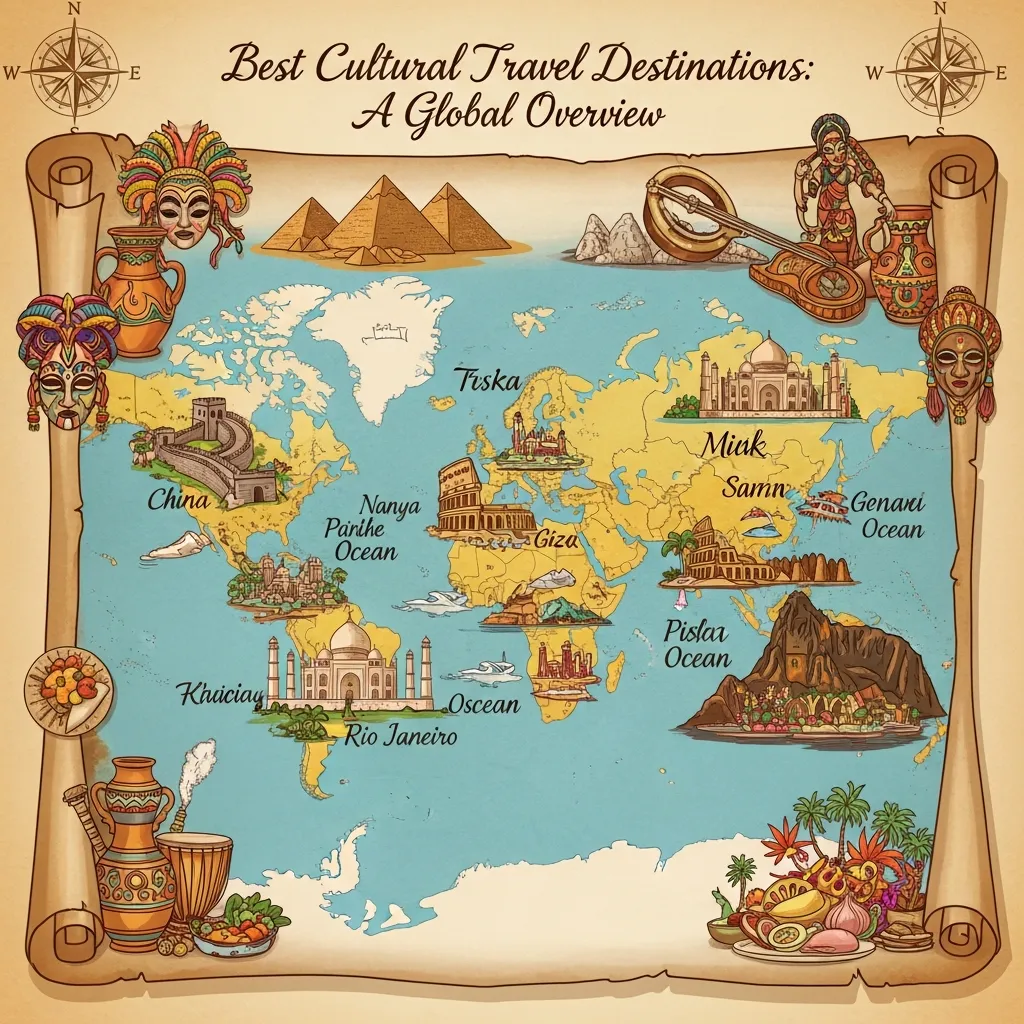
If you are wondering where to go next, here is a look at some of the best cultural travel destinations across the globe.
Europe
Spain’s Andalusia region offers a breathtaking mix of Moorish and Catholic architecture. Istanbul, Turkey, stands as the literal bridge between European and Asian cultures. Greece’s island of Crete provides deep dives into Minoan history and Mediterranean village life.
Asia
Hoi An, Vietnam, is a beautifully preserved ancient trading port. Kyoto, Japan, remains the epicenter of traditional Japanese culture, from tea ceremonies to geisha districts. Rajasthan, India, offers a vibrant display of Rajput heritage, palaces, and desert traditions.
Africa
Marrakech, Morocco, overwhelms the senses with its historic medinas and rich Berber culture. The Omo Valley in Ethiopia is home to some of the most diverse and ancient indigenous tribes on the continent.
Americas
Cusco, Peru, serves as the gateway to Incan history and Andean culture. Oaxaca, Mexico, is the culinary and artisanal heart of the country. Cartagena, Colombia, pulses with Afro-Caribbean history and vibrant street life.
Oceania
New Zealand offers profound opportunities to engage with Maori culture. Experiencing a traditional Powhiri (welcoming ceremony) or learning about the deep connection between the Maori people and the land is unforgettable.
Food and Culture Relationship in Travel: A Culinary Journey
You cannot fully answer what is cultural travel without discussing the food and culture relationship in travel.
The Role of Food in Cultural Identity
Food is a universal language. The ingredients a culture uses, the way meals are prepared, and how food is shared all reflect the geography, history, and values of a society.
Exploring Local Cuisines and Traditional Dishes
Trying a traditional dish provides a direct link to the past. Eating a bowl of slow-simmered Pho in Hanoi or a rich cassoulet in France connects you to the agricultural history of those regions.
Street Food Cultural Guide: A Taste of Authenticity
For the most authentic flavors, look to the streets. A street food cultural guide will tell you that the best tacos in Mexico City or the best pad thai in Bangkok are not found in fine-dining restaurants, but at bustling street carts where locals eat every day.
Cooking Classes and Culinary Workshops
Taking a cooking class is an interactive way to understand local ingredients. You learn the techniques and family secrets that have been passed down through generations, allowing you to bring a piece of the culture home with you.
Food Markets and Their Cultural Significance
Food markets are sensory overloads of color, smell, and sound. They show you exactly what is in season and how locals interact, barter, and socialize.
The Benefits of Cultural Travel
Why should you prioritize this style of travel? The benefits extend far beyond a good vacation.
Personal Growth and Expanded Perspectives
Stepping into a different way of life challenges your preconceived notions. It forces you to adapt, making you more resilient and open-minded.
Fostering Empathy and Understanding
When you share a meal or a conversation with someone from a vastly different background, stereotypes dissolve. You realize that despite cultural differences, fundamental human desires and values are largely the same.
Supporting Local Economies and Communities
By spending money at local markets, independent hotels, and community-run tours, you inject capital directly into the local economy, helping communities thrive.
Preserving Cultural Heritage
When tourists show a genuine interest in traditional arts, crafts, and ceremonies, it provides an economic incentive for communities to keep those traditions alive rather than abandoning them for modern alternatives.
Creating Meaningful Memories
The memories that last a lifetime are rarely of hotel lobbies. They are of the unexpected conversations, the challenging moments of navigating a new city, and the warmth of local hospitality.
Challenges and Considerations in Cultural Travel
While highly rewarding, this type of exploration comes with unique challenges.
Avoiding Cultural Appropriation
There is a fine line between cultural appreciation and appropriation. Engage with traditions respectfully, seek permission before participating in sacred ceremonies, and avoid treating cultural items merely as costumes or props.
Navigating Language Barriers
Not speaking the language can be frustrating. Approach these barriers with patience and a sense of humor. Translation apps, gestures, and a friendly smile go a long way.
Dealing with Culture Shock
Immersing yourself in a totally foreign environment can be overwhelming. Culture shock is a normal part of the process. Give yourself time to adjust and process your surroundings.
Ethical Considerations and Responsible Tourism
Always ask yourself if your presence is helpful or harmful. Avoid tours that exploit vulnerable populations or wildlife. Prioritize human dignity and environmental conservation.
Future of Cultural Travel: Trends and Innovations

The way we experience the world is shifting, bringing new trends to the forefront.
Technology’s Role in Enhancing Cultural Experiences
Augmented reality and virtual tours are providing travelers with deeper historical contexts of the sites they visit. Translation apps are breaking down language barriers in real-time, facilitating deeper connections.
Sustainable and Regenerative Cultural Tourism
Travelers are moving beyond simply minimizing their footprint; they want to leave a place better than they found it. Regenerative tourism focuses on actively restoring and supporting local ecosystems and cultures.
The Growing Demand for Niche Cultural Travel
As tourists seek more personalized experiences, niche cultural travel is booming. This includes highly specialized trips, such as learning traditional textile weaving in Guatemala or tracing ancestral roots through genealogy tourism.
Embracing the Journey
So, what is cultural travel? It is the conscious decision to travel with your eyes and heart wide open. It is the pursuit of understanding the complex, beautiful tapestry of human life that exists across the globe. By prioritizing authentic connections, supporting local communities, and respecting the traditions of your hosts, you transform a simple vacation into a profound educational journey. Embrace the unfamiliar, taste the local dishes, learn the language, and allow the world to change your perspective.



Leave a Reply